The government has intensified the use of advanced technology and elite ranger units to strengthen wildlife protection and safeguard tourism, as Kenya Wildlife Service (KWS) rolls out extensive reforms aimed at improving security, conservation outcomes and visitor confidence.
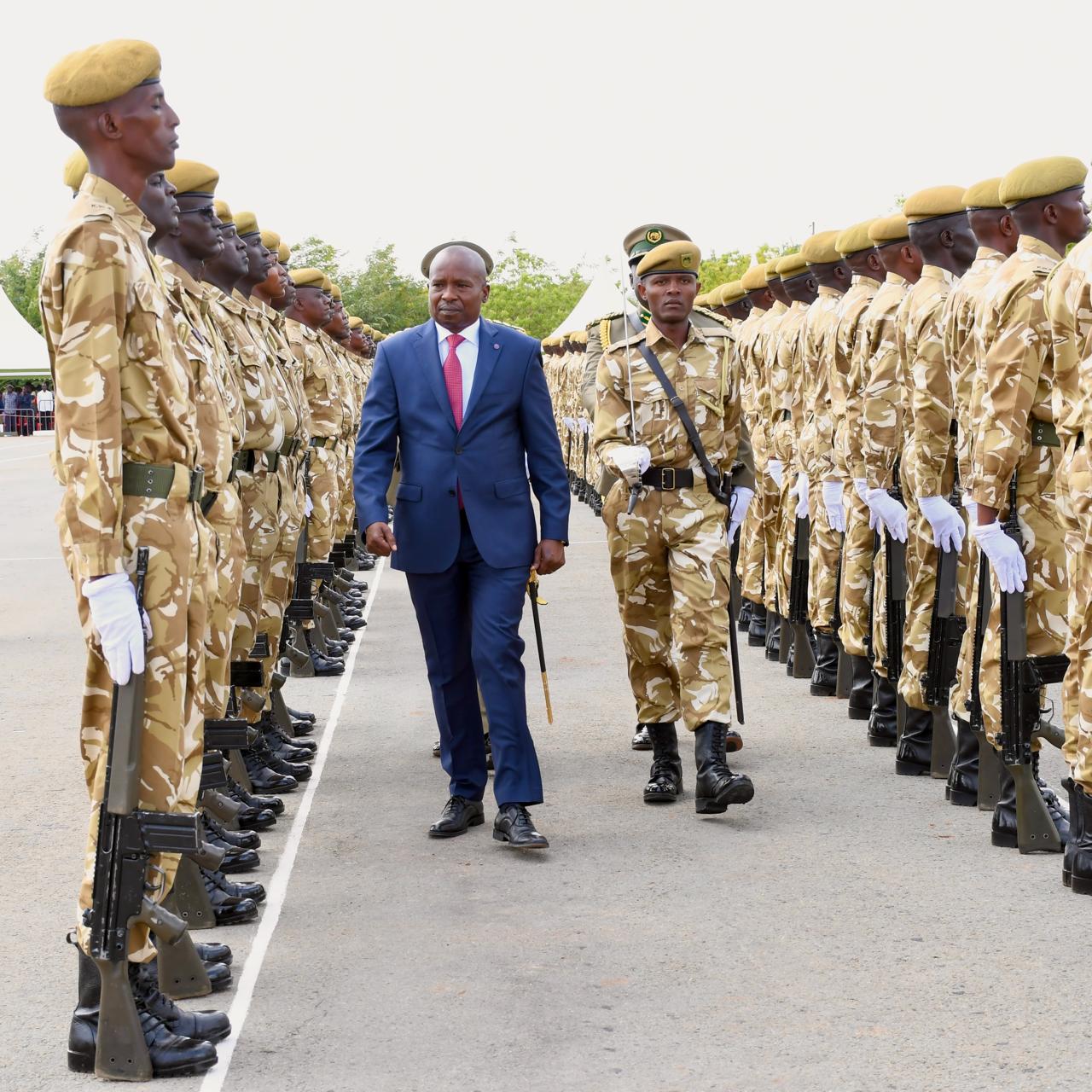
Speaking on Friday during the passing-out parade of KWS cadet officers at the KWS Law Enforcement Academy in Manyani, Taita Taveta County, the Deputy President, Prof. Kithure Kindiki said the government had undertaken some of the most ambitious, science-led, and community-centered reforms in conservation history over the past three years.
A total of 147 cadets joined the Service after nine months of paramilitary training, drawn from across the country and trained to operate in some of the most challenging conservation environments in Africa.
An additional 103 serving junior officers also completed advanced training, bringing the total number of officers passed out to 250.
The Deputy President said security within protected areas had been strengthened through the deployment of elite ranger units and the modernization of surveillance systems.
“Through KWS, we have strengthened security by employing and deploying elite ranger units, expanding the conservation workforce, and modernizing surveillance using AI-enabled systems, drones, satellite-linked patrol tools, and modern digital radio networks,” he said.
ALSO READ:
Meru residents celebrate appointment of county water CECM Baptista Kanyaru to Family Bank Board
According to the Deputy President, the reforms were already yielding results, noting that rapid-response capabilities had been upgraded and intelligence-led operations strengthened, while community livelihoods programs were helping reduce human–wildlife conflict and improve local ownership of conservation.
He said KWS had also modernized its services through the eCitizen payment platform, improving transparency and efficiency while enhancing the visitor experience.
“These reforms have increased revenue, enabling greater investment in frontline conservation and tourism facilities and positioning Kenya as a global leader in sustainable wildlife management,” he said.
The government has linked the reforms directly to economic growth under the Bottom-Up Economic Transformation Agenda. “Wildlife is not only our heritage. It is a symbol of our sovereignty, a pillar of our global identity, and a powerful engine of our economy,” the Deputy President said.
He noted that tourism performance was already improving, saying, “Tourism revenue grew strongly in 2024, restoring global confidence in Kenya,” and added that the country had set a clear target of welcoming five million visitors by 2027.
He said diversification beyond traditional safari tourism into culture, sports, events, adventure and meetings was underway but warned that growth depended on security.
“But let us be clear: tourism depends on security and stability. Without safety for wildlife, visitors, and communities, progress cannot be sustained,” he said.
The Deputy President said the government was also anchoring conservation financing on green funding and clean energy saying, “Through climate funds, carbon markets such as REDD+, conservation bonds, public–private partnerships, and multilateral financing, we are mobilizing sustainable capital for wildlife protection.”
Cabinet Secretary for Tourism and Wildlife Rebecca Miano said the graduating officers were joining the Service at a strategic moment, noting that the parade came shortly after Jamhuri Day celebrations themed on tourism and wildlife.
She said the officers would support the ministry’s priorities of investment promotion, capacity building and aggressive marketing under the “Magical Kenya, the Origin of Wonder” manifesto.
“This recruitment, undertaken under the directive of His Excellency the President, represents a transformative policy intervention, coming more than a decade after the last recruitment in 2012,” CS Miano said, adding that it addressed long-standing capacity gaps within the country’s protected areas.
“These officers will be frontline implementers of the Tourism Blueprint 2030 and the Wildlife Strategy 2030,” she stated, adding that their work would support species recovery programs, secure wildlife corridors and reinforce Kenya’s position as a safe, competitive, and sustainable nature-based tourism destination.
ALSO READ:
State reaffirms commitment to strengthening teachers’ SACCOs
She emphasized that conservation could not be delivered by government alone and required partnerships with county governments, communities, the private sector and international partners, with the new officers expected to act as ambassadors of trust on the ground.
KWS Director General Prof Erastus Kanga said the passing-out parade marked a significant milestone in the transformation journey of the Kenya Wildlife Service, noting that 250 officers had completed intensive training.
“These officers are today joining a Service that stands at the intersection of conservation, national security, community livelihoods, and sustainable development,” Prof Kanga said, adding that, “The officers will play a critical role in protecting wildlife biodiversity, securing our National Parks and Reserves, supporting tourism growth, and advancing Kenya’s global conservation leadership.”
He said the Parade marked the successful completion of the first phase of staff capacity development as proposed under the Kenya Wildlife Service Strategic Plan 2024–2028, representing a critical milestone in strengthening professional workforce and enhancing institutional readiness to effectively deliver on their wildlife conservation, security, and community engagement mandate.
By Michael Oduor
Get more stories from our website: Sacco Review.
For comments and clarifications, write to: Saccoreview@
Kindly follow us via our social media pages on Facebook: Sacco Review Newspaper for timely updates
Stay ahead of the pack! Grab the latest Sacco Review newspaper!