Alarm is mounting across Kenya’s cooperative sector as non‑performing loans surge to unprecedented levels, forcing savings and credit societies (SACCOs) to tighten risk provisions and slash member payouts. Regulators and officials warn that unchecked defaults are eroding liquidity, weakening lending capacity, and undermining the financial sustainability of institutions entrusted with billions in member savings.
In Kericho County, Commissioner of Cooperatives Dr Leonard Otii cautioned that the wave of loan delinquency is translating directly into heavier provisioning expenses. “This provision will reduce the amount of income available for distribution and eventually the dividends payable,” he said, noting that several societies have already scaled down payments under pressure from the Sacco Societies Regulatory Authority (SASRA).
The regulator has flagged elevated credit risks across deposit‑taking Saccos, enforcing stricter compliance on credit management.
The Chairman of the Board of Directors of the Kenya Highlands Sacco, Richard Mutai, disclosed that provisions for non‑performing loans skyrocketed to KSh 284.2 million in 2025, up from just KSh 32 million the previous year. The sharp increase, he said, has significantly dented member returns. Loan performance deteriorated largely due to low tea bonus payments, leaving many members unable to service their obligations. Subdivision of tea farms and diversion of income to other financial institutions compounded the defaults.
ALSO READ:
SASRA warns of fragile SACCO funding structure as wealthy savers dominate majority deposits
With loans accounting for 75 per cent of its assets and generating 72 per cent of total income, the Sacco disbursed KSh 4.79 billion in advances compared to KSh 4.85 billion in 2024. Directors recommended dividends on share capital at 10 per cent, down from 15 per cent, and interest on deposits at 10 per cent, down from 13.5 per cent.
Supervisory Chairman of the Kenya Highlands Sacco, CPA Paul Chirchir, told delegates that the Sacco’s non‑performing loan ratio had spiked to 26.44 per cent, more than double the 10.26 per cent recorded in 2024 and far above SASRA’s prudential benchmark. Provisioning now stands at 17.53 per cent of the loan book. He acknowledged corrective measures, including a dedicated recovery unit and enhanced credit monitoring, but warned that results will take time to materialise.
Other cooperatives are facing similar challenges. Ndege Chai Sacco raised its loan provision to KSh 71.5 million, up from KSh 59.9 million, partly due to exposure to the Kenya Union of Savings and Credit Cooperatives (KUSCCO), which collapsed with a reported insolvency of KSh 12.5 billion. Chairman Daniel Sang reported a partial refund of KSh 5.3 million but noted that despite the setback, share capital rose 19 per cent to KSh 386 million from KSh 323 million in 2024. Net loan portfolio after provisions stood at KSh 4.3 billion. Dividends were maintained at KSh 18.50 per share, with rebates on deposits at 10 per cent.
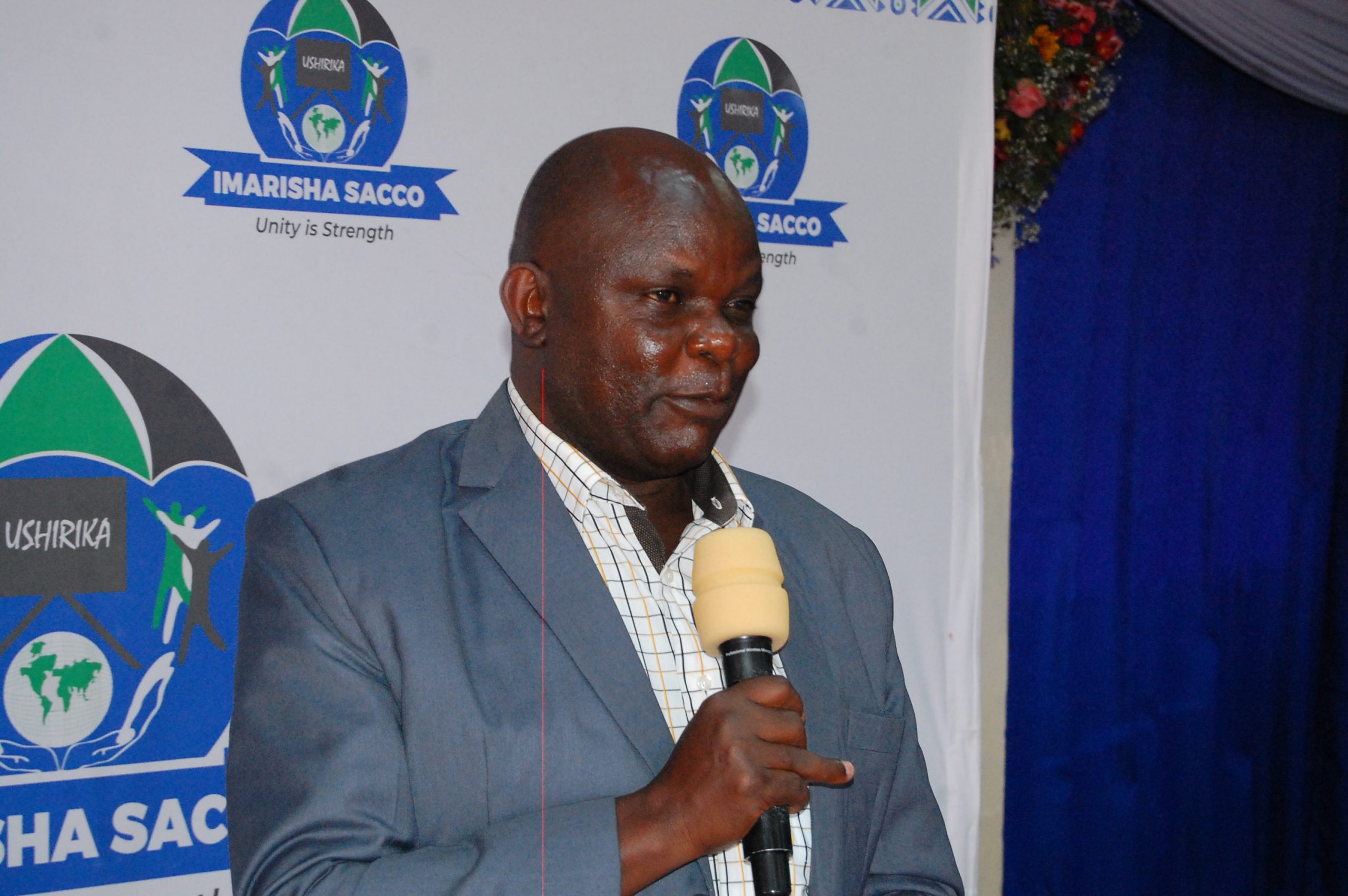
Imarisha Sacco, by contrast, reported stronger performance. Chairman Mathew Ruto announced dividends on share capital at 15.1 per cent, amounting to KSh 398.5 million, and interest on deposits at 10.5 per cent, totalling KSh 1.42 billion.
“I wish to further report that based on the society’s performance in the year 2025, the Board of Directors wish to recommend payout of Dividends on Share Capital at the rate of 15.1 % amounting to Ksh. 398.5 million and interest on member’s deposit at a rate of of 10.5 % amounting to Ksh. 1.42 billion.” Ruto stated
For Imarisha Sacco, loan provisions climbed to KSh 507 million from KSh 370 million in 2024. Performing loans reached KSh 23 billion, but 235 million were under watch, 67 million substandard, 92 million doubtful, and losses among 2,046 members totalled KSh 202 million.
Simba Chai Sacco also grappled with defaults linked to voluntary early retirements at its parent company, Browns Plantations. CEO Wesley Ngeno said net loan loss provisions remained at KSh 38 million, unchanged from the previous year, as auditors Waweru Mwangi and Associates reported provisioning of KSh 33.8 million and loan losses rising to KSh 17.5 million, which was an increase from KSh. 14,984,587 in 2024.
ALSO READ:
SACCO sector posts KSh 845 billion in loans as NPL ratios hold steady amid rising risks
In Bomet County, Konoin Sub‑County Cooperative Officer Bernard Rop raised concern over Kimbilio Daima Sacco, where loan loss accounts climbed to 1,558 with outstanding balances of KSh 123.5 million. Provisions of KSh 198.9 million were set aside, denying members higher dividends.
The Sacco also absorbed losses from the KUSCCO collapse, providing KSh 2 million. Chairman Daniel Mutai urged urgent recovery measures, warning that rising delinquency had pushed the portfolio at risk (PAR) to dangerous levels. As a result, Dividends fell to 3 per cent from 6 per cent, while interest on deposits dropped to 3 per cent from 5.5 percent in 2024.
Dr Otii emphasised that persistent defaults are not only a financial risk but a threat to the collective welfare of members. “If not urgently addressed, non‑performing loans will continue to weaken liquidity, reduce lending capacity and threaten the stability of the Saccos,” he said.
By Benedict Ng’etich
Get more stories from our website: Sacco Review.
For comments and clarifications, write to: Saccoreview@
Kindly follow us via our social media pages on Facebook: Sacco Review Newspaper for timely updates
Stay ahead of the pack! Grab the latest Sacco Review newspaper!