The government has stepped up efforts to strengthen Kenya’s small business sector through a fresh policy drive aimed at easing access to finance, boosting competitiveness, and encouraging informal enterprises to formalise. Regulators and development partners are intensifying outreach to micro, small and medium‑sized enterprises (MSMEs) amid concerns that many firms remain locked out of structured markets and affordable credit.
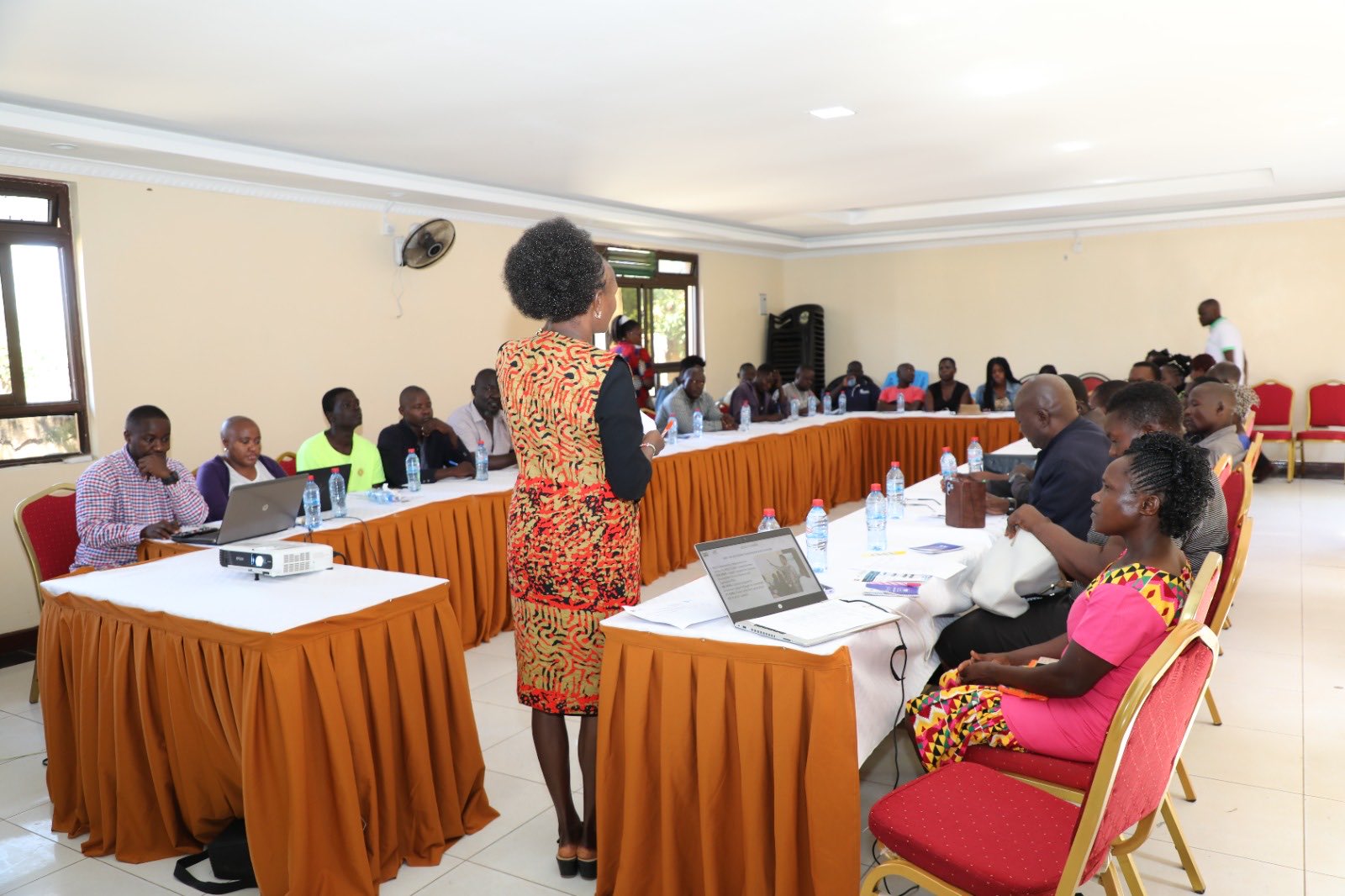
The Micro and Small Enterprises Authority (MSEA), working with Dutch development organisation SNV Netherlands Development Organisation, has been holding business forums across key counties to bridge the gap between policy design and implementation. “We continue to support MSMEs through policies that promote business formalisation and targeted capacity‑building initiatives,” said MSEA Senior Assistant Director Tabitha Gicheru. She added that investments in Jua Kali worksites and Constituency Industrial Development Centres demonstrate government commitment to providing affordable workspaces for small businesses.
MSEA is ramping up support strategies to strengthen the MSME ecosystem, which accounts for the bulk of employment in Kenya but continues to face barriers such as limited financing, informality, and weak market linkages.
At the centre of the ongoing strategies is the proposed MSME Amendment Bill 2025, which seeks to overhaul the policy framework governing small businesses. The draft law is expected to expand access to affordable credit, improve market opportunities, and create incentives for informal enterprises to formalise. Authorities argue that formalisation would widen the tax base, improve access to government support programmes, and enhance enterprise sustainability.
ALSO READ:
Gov’t moves to modernise county markets, boost MSME competitiveness
MSEA officials acknowledge that many small businesses remain unaware of existing financing and support programmes, limiting their ability to scale. Current initiatives include youth funding schemes and enterprise support programmes targeting job creation and industrial growth. Alongside policy reforms, the authority is investing in physical infrastructure such as Jua Kali worksites and Constituency Industrial Development Centres to provide affordable spaces for small manufacturers.
Development partners are complementing these efforts by addressing gaps in financial and non‑financial support.
SNV, through its Investing in Young Businesses in Africa (IYBA) SEED programme, is focusing on youth‑ and women‑led enterprises in agriculture, energy, and water. The programme aims to strengthen resilience and expand employment opportunities, particularly as Kenya grapples with high youth unemployment and a growing informal sector.
Industry stakeholders caution that execution remains the biggest challenge with previous initiatives struggling with low awareness, bureaucratic hurdles, and limited coordination between national and county governments. To address this, forums are increasingly focusing on direct engagement between policymakers and entrepreneurs, allowing businesses to raise concerns around taxation, compliance costs, and market access.
By Masaki Enock
Get more stories from our website: Sacco Review.
For comments and clarifications, write to: Saccoreview@
Kindly follow us via our social media pages on Facebook: Sacco Review Newspaper for timely updates
Stay ahead of the pack! Grab the latest Sacco Review newspaper!