
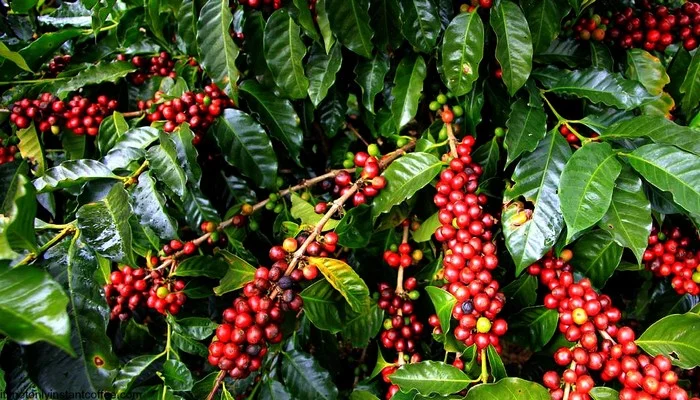
Peter Waitumu,56, has been a coffee farmer in Meru all his life. He has educated his six children from coffee proceedings, built his enviable house and created for himself a relatively comfortable life all through his coffee farm. He inherited the farm from his late father.
Peter says in an interview that part of the machinery that has made coffee farming lucrative for him is the cooperative society that he joined in the early 2000s.
“Whenever I want farm inputs – fertilizer, pesticides and the like. I buy them through my cooperative. It is cheaper. Whenever I want quick credit, I can access it through my cooperative. I am not very thrifty. That’s my personality and it’s a bit unfortunate. But I have been able to save money and develop myself through the cooperative,” he explains
Waitumu is one of the coffee farmers in the country who are much opposed to the government’s plan to introduce The Direct Settlement System (DSS) in Kenya, that aims to pay coffee farmers directly through mobile money within 5 days of auction, bypassing traditional, often delayed, cooperative society, channels. The Co-operative Bank of Kenya has been tasked with handling these transactions.
“I know there are shadowy dealings in cooperatives; some involving corrupt and often incompetent directors which lead to payment delays and poor pay but the government needs to deal with this issue by cleaning the cooperative movement off such unscrupulous characters and instilling good corporate governance structures in the cooperative movement. Not kills the movement as a whole through the DSS,” Waitumu asserts.
ALSO READ:
President Ruto assent to the National Infrastructure Fund Bill
The government first introduced the Direct Settlement System in 2023 but later. A Kerugoya court suspended it due to lack of public participation. The system is now set to be reintroduced in May this year.
Another farmer, Mutua Kiogora, is also livid about the new system. In a separate interview, he explains that he is afraid that the system, just like other programs that the government has introduced targeting the agricultural sector, will inevitably be mismanaged leaving farmers at a loss.
“There was hardly any public participation when DSS was mooted. These government plans start well and then eventually they are mismanaged. The farmers eventually suffer,” said Kiogora.
Conversely, he notes that the cooperative movement has also been infiltrated by unscrupulous individuals who should be rooted out of the movement so that it can remain clean and grow.
“Instead of DSS, let us clean the cooperatives. That is the only way the movement will grow. The cooperative movement spurs a savings culture that will die when DSS is introduced,” Kiogora noted
The government first introduced the Direct Settlement System in 2023 but later, a Kerugoya court suspended it due to lack of public participation. The system is now set to be reintroduced in May this year.
Esther Wairimu, a lawyer and an expert in the cooperative moment, explains it is time coffee farmers look for a different approach from the cooperatives and perhaps DSS could be the way to go.
ALSO READ:
Bandari DT SACCO posts higher profit as assets and lending grow in 2025
Until early 1990s, co-operatives especially in the coffee sector enjoyed a convenient monopoly status in the raw material supply markets and marketed their products in markets protected by the Government,” she explains.
“Market liberalisation reforms were then introduced selectively by the Government. The coffee sector, which provides important foreign exchange to the country, has not yet been fully liberalised; therefore, price and profitability development in the coffee sector still largely depend on the fluctuating world market situation. Coffee production has stagnated in Kenya, and co-operatives represent approximately 70-80% of total production. The yield of cooperative coffee production has typically been only half that of private estates. Its time things were done differently.”
The government explains that DSS will eliminate delays, reduce corruption, and ensure farmers receive, on average, 97% of the payment directly to their bank accounts or mobile phones.
Buyers deposit funds into a central bank account, which is then distributed to farmers, millers, and brokers. With its reintroduction set for May this year, the battle with farmers and cooperatives its open and the future of the coffee sector is set to be redefined.
By Mwiti Munyua
Get more stories from our website: Sacco Review.
For comments and clarifications, write to: Saccoreview@
Kindly follow us via our social media pages on Facebook: Sacco Review Newspaper for timely updates
Stay ahead of the pack! Grab the latest Sacco Review newspaper!