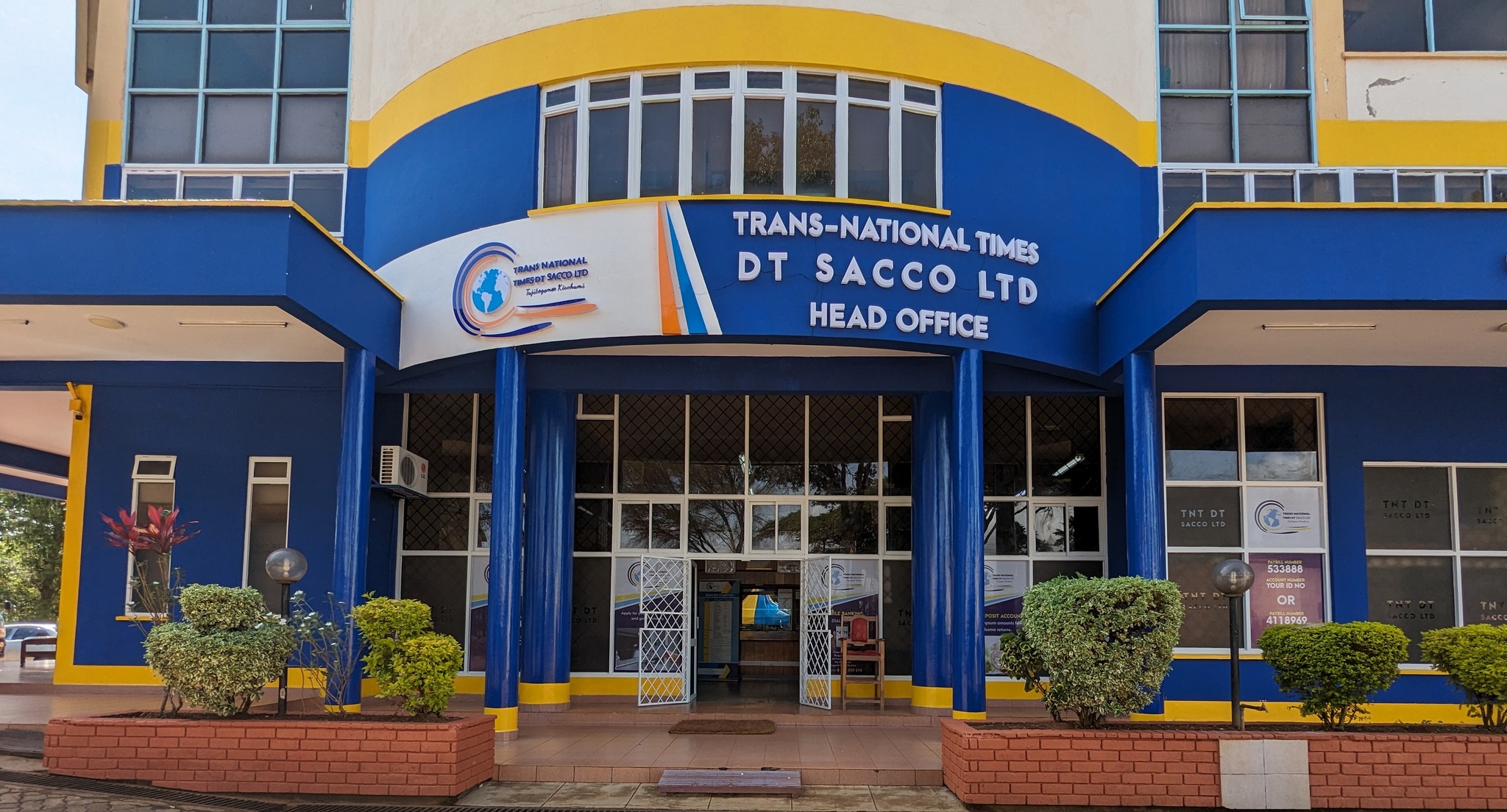
Trans National Times (TNT) DT Sacco has slashed members’ dividends and deposit returns for the year ended December 31, 2025, following a directive from the Sacco Societies Regulatory Authority (SASRA).
The regulator capped payouts and ordered additional provisions linked to claims involving the troubled Kenya Union of Savings and Credit Co‑operatives (KUSCCO), triggering one of the sharpest reductions in member earnings in recent years.
According to official disclosures, returns on member deposits were cut from 9 per cent to 4.5 per cent, while dividends on share capital dropped from 11 per cent to 5.5 per cent.
The Sacco said the delay in disbursement of the remaining funds was directly tied to SASRA’s intervention, which imposed strict limits on returns and mandated higher provisioning requirements.
ALSO READ:
Alarm raised over rising Non‑Performing loans threatening SACCO dividends and stability
The move underscores heightened scrutiny in the cooperative sector as regulators tighten controls to address liquidity risks and strengthen financial stability. For members who rely on annual payouts to cover expenses, the reduced earnings have immediate and painful consequences.
SASRA’s aggressive stance follows a series of liquidity crises and governance failures across high‑profile cooperatives. By prioritising long‑term stability over short‑term payouts, the regulator is forcing institutions to build stronger capital buffers and provisions against systemic risks.
A critical factor behind TNT DT Sacco’s reduced dividends is the mandatory requirement to set aside significant provisions tied to KUSCCO, which had faced allegations of mismanagement and insolvency, with losses now being felt by local cooperatives.
Cooperative sector analysts warn that similar reductions are likely across other deposit‑taking Saccos as SASRA deepens its regulatory dragnet. The era of double‑digit dividends, often funded through risky borrowing rather than operational surpluses, appears to be ending.
ALSO READ:
SASRA warns of fragile SACCO funding structure as wealthy savers dominate majority deposits
The International Monetary Fund (IMF) has also revised Kenya’s 2026 economic growth forecast downward to 4.5 per cent, citing inflationary pressures and rising fertiliser costs, factors that directly affect cooperative members.
Against these developments, SASRA’s insistence on stricter provisioning is seen as a safeguard against wider instability, even as members absorb the short‑term financial pain.
By Masaki Enock
Get more stories from our website: Sacco Review.
For comments and clarifications, write to: Saccoreview@
Kindly follow us via our social media pages on Facebook: Sacco Review Newspaper for timely updates
Stay ahead of the pack! Grab the latest Sacco Review newspaper!