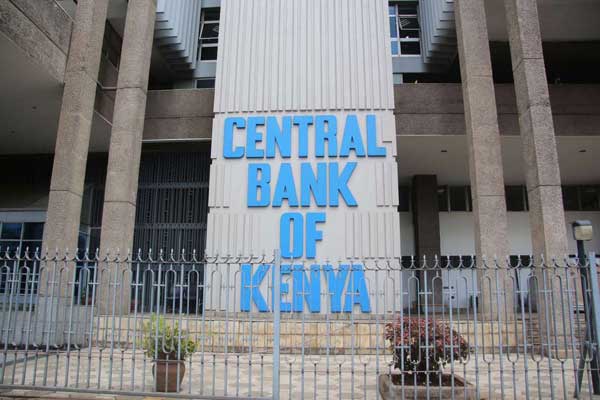
The Kenya Bankers Association (KBA) Centre for Research on Financial Markets and Policy has called on the Central Bank of Kenya (CBK) to maintain the current benchmark policy rate at 8.75%.
This recommendation comes in light of rising global risks, including escalating geopolitical tensions and the increasing pressure on inflation and the exchange rate.
In its latest research note, the Centre expressed concerns that while inflation remains within the official target range, external factors are presenting significant risks. These include rising global oil prices and ongoing conflicts, which are disrupting trade routes and supply chains, potentially pushing prices even higher.
According to the Centre, headline inflation rose to 4.4% in March, primarily driven by increases in food and transport costs. However, core inflation remained relatively stable.
The research further noted that Kenya’s economic recovery continues to show steady progress, though the pace of growth appears to be slowing. A slight decline in private sector activity and ongoing uncertainty due to conflicts in regions like the Gulf and Ukraine are weighing on trade, investor confidence, and broader economic performance.
ALSO READ:
The Centre acknowledged that recent cuts to the Central Bank Rate have provided some relief, easing short-term interest rates and encouraging lending. However, it also pointed out that the benefits of these rate cuts are taking time to fully reach businesses and households due to structural challenges within the financial system.
While private-sector credit growth has improved, the pace remains sluggish. Banks are still cautious due to the high levels of non-performing loans and heightened lending risks. This caution is contributing to tighter credit conditions, which is constraining more robust lending growth.
The research note also highlighted the growing pressure on the Kenyan shilling, driven by a widening trade deficit. With imports outpacing exports, the demand for foreign currency has risen, exacerbating exchange rate challenges. Additionally, potential disruptions to diaspora remittances, particularly from the Middle East, are expected to put further strain on the Kenyan currency.
ALSO READ;
Proposed reforms to make whistle blower policy mandatory in SACCOs
KBA Centre’s report emphasizes that while the country’s economic recovery is on track, external challenges and domestic financial system constraints are likely to slow momentum, necessitating careful monitoring of policy actions.
By Obegi Malack
Get more stories from our website: Sacco Review.
For comments and clarifications, write to: Saccoreview@
Kindly follow us via our social media pages on Facebook: Sacco Review Newspaper for timely updates
Stay ahead of the pack! Grab the latest Sacco Review newspaper!