The government is accelerating efforts to overhaul its tax administration through digital innovation and inclusive reforms aimed at empowering Micro, Small and Medium Enterprises (MSMEs), which contribute over 40 percent of the country’s GDP and employ millions nationwide.
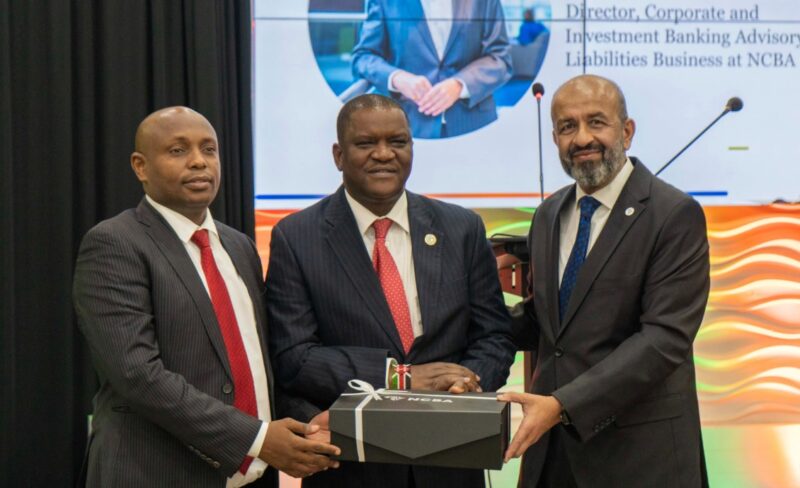
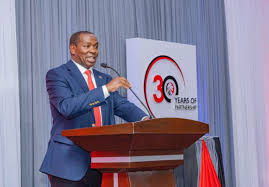
Speaking at the opening of the Kenya Revenue Authority (KRA) Annual Tax Summit 2025, leaders from government and revenue agencies outlined a bold vision for a simplified, transparent, and citizen-centered tax ecosystem.
The summit comes as Kenya marks 30 years of KRA service and enters a new phase of economic transformation.
KRA Commissioner General Humphrey Wattanga said the agency is embracing advanced technologies, including artificial intelligence, blockchain, and mobile money integration to improve compliance and deepen public trust.
“Every taxpayer matters, and none should be left behind,” Wattanga said. “By advancing digitalized and inclusive systems, we can secure sustainable development for generations to come.”
KRA Board Chairperson Ndiritu Muriithi emphasized that enforcement-driven tax collection is being replaced by a partnership model that encourages voluntary compliance. He revealed plans to establish 10,000 customer touchpoints across the country and expand mobile and WhatsApp-based services to make tax support more accessible.
“No state can exist without taxes. Even when we borrow, we repay with taxes,” Muriithi said. “We are building a more transparent, responsive, and customer-focused administration.”
ALSO READ:
President Ruto: Kenya to process all locally grown crops to boost value addition, jobs
Cabinet Secretary for Cooperative and MSME Development Wycliffe Oparanya, in remarks delivered by Principal Secretary Susan Auma Mang’eni, said Kenya is aligning its revenue systems to support enterprise and innovation. “We are not just talking about transformation, we are building a tax ecosystem that fuels growth and secures our economic future,” Oparanya said.
He cited key initiatives such as the Kenya Jobs and Economic Transformation (KJET) Project, the MSME Connect platform, and Public-Private Sector Dialogue Forums as critical tools for strengthening collaboration between entrepreneurs, regulators, and financiers.
Mang’eni added that the government is revitalizing constituency industrial development centers and establishing county aggregation and industrial parks to support value chains and shared infrastructure. She challenged financial institutions to rethink their approach to youth, women, and persons with disabilities. “We must change perceptions that young people are high-risk or that women cannot access credit because they lack property,” she said.
Mang’eni also praised the Hustler Fund for promoting financial inclusion and building credit history among small borrowers. “If you can be trusted with Sh500, you can be trusted with Sh10 million. Credit is about trust,” she said.
As the country pushes forward with its digital tax reforms, stakeholders say the focus must remain on inclusivity, predictability, and economic empowerment, especially for MSMEs that form the backbone of the country’s economy.
The summit closed with a call for sustained collaboration between government, taxpayers, and development partners to ensure the reforms are impactful and future-ready.
By Masaki Enock
Get more stories from our website: Sacco Review.
For comments and clarifications, write to: Saccoreview@
Kindly follow us via our social media pages on Facebook: Sacco Review Newspaper for timely updates
Stay ahead of the pack! Grab the latest Sacco Review newspaper!