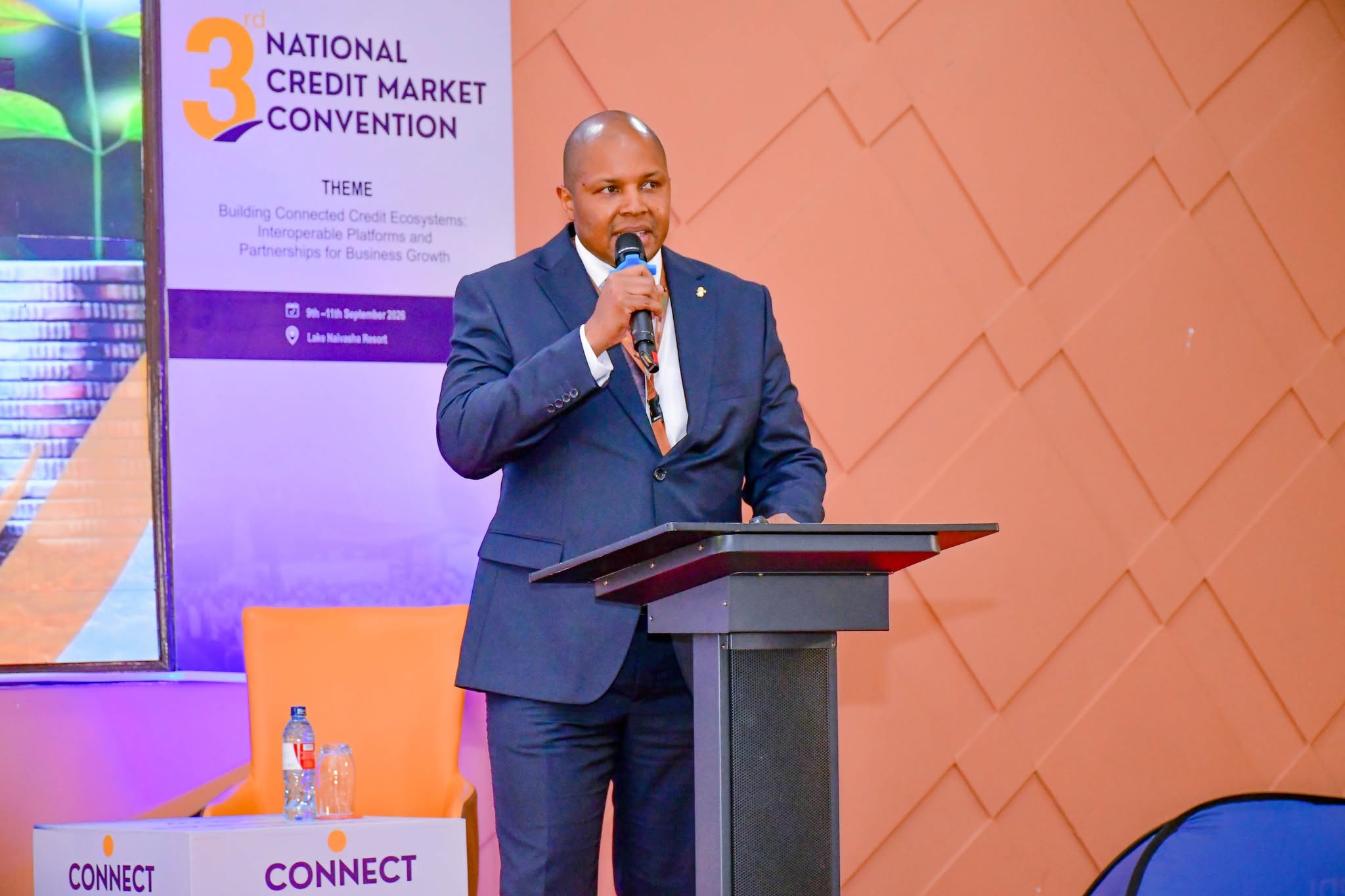

Mr Edward Kinyungu, the Hon Secretary of Kenya Society of Professional Cooperators ( KSPC), has prosecuted a very strong case that seeks to have saccos’ non-core activities exempted from TAXATION, arguing that it amounts to “double taxation ” and stifles the growth of the sector that is pivotal in savings mobilisation among citizens .
This argument has been presented before and at one time one CS promised to effect amendments to the Cooperatives ACT to address that ‘anomaly’ ; never mind that that fell squarely under the purview of the Income Tax Act, not Cooperatives ACT!
I am alive to the fact that we have Accountants and Tax Experts in the House but my considered view is as follows;
From a legal perspective, ordinary members ( who are natural persons) are separate and distinct from the saccos they patronise.
These saccos are treated as corporate entities or artificial persons hence enjoy certain privileges..including, owning property of every description in their corporate names .
They can also sue and be sued in their corporate names and use a common seal to signify their corporate nature.
ALSO READ;
Vihiga youth embrace fish value-addition for job creation and income boost
This implies that to argue that saccos are taxed twice together with their members is not accurate.
Members are merely co-owners in their saccos..that is why either of them can file a dispute against the other!
Much more importantly, saccos are formed to focus on their core mandate of mobilising savings and extending affordable credit to their members.
To do so, they may initiate ancillary services that have a direct bearing on the core activity.
This, as far as I know, enjoys some Tax exemption because it is CORE.
The moment these saccos diversify into other income-generating activities , whether using own funds or borrowed funds, they act ‘ultra vires’ their declared core businesses hence should be treated like any other competitors in that space!
If, for example, a sacco has ventured into real estate business, why wouldn’t they be treated the same way the KRA treats investors in that sphere??
Cooperatives, like all other investors, operate in an ecosystem that should treat all other eligible taxpayers equally without any form of preferential treatment.
Cooperatives in this country are a force to reckon with and continue to diversify into other complex economic activities..
However, the moment these new frontiers do not align with their registered bylaws, then they should be ready to play by the rules of the game…let them be subjected to the same rules that regulate those investors in those non-core spaces .
One distinguishing factor about cooperatives from companies is that they provide desired services to their members at affordable costs and ultimately they share the “surpluses”, if any, based on patronage.
This is as opposed to companies that prioritise profit maximisation .
So, the moment saccos want to do both, by engaging in non-core activities, let them pay the due taxes that the taxman is in dire need of.
In conclusion, saccos can’t have their cake and eat it!
By a correspondent
Get more stories from our website: Sacco Review.
For comments and clarifications, write to: Saccoreview@
Kindly follow us via our social media pages on Facebook: Sacco Review Newspaper for timely updates
Stay ahead of the pack! Grab the latest Sacco Review newspaper!