
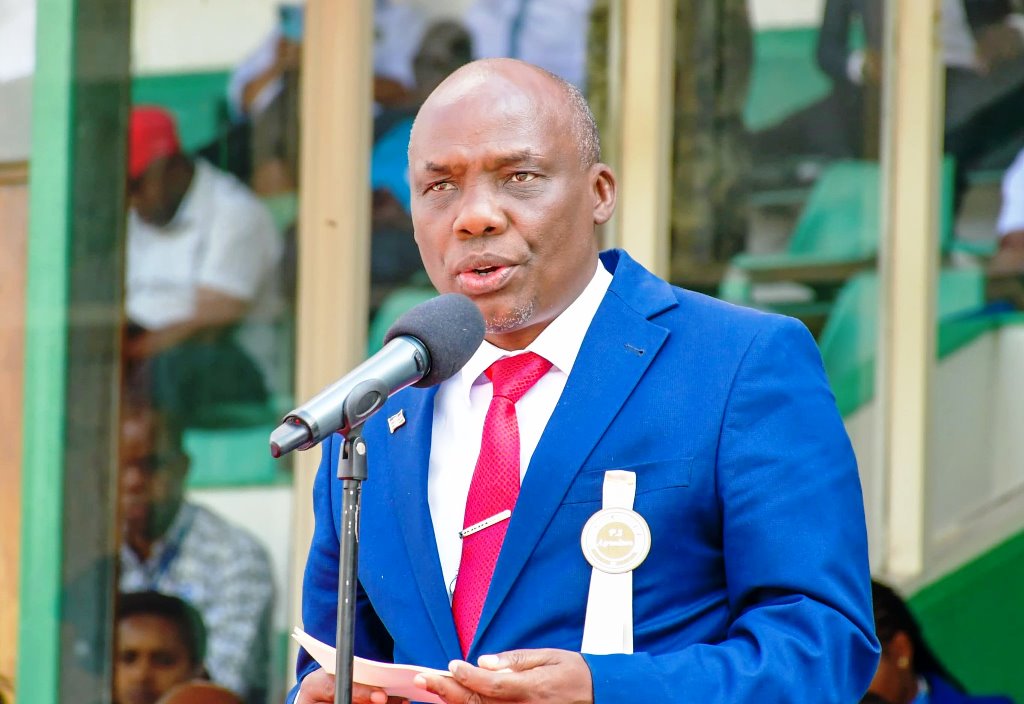
Agriculture Principal Secretary Paul Kipronoh Rono has directed the Kenya National Trading Corporation (KNTC) and the National Cereals and Produce Board (NCPB) to immediately buy all locally available rice stock from farmers’ stores to stabilise prices and support farmers, as production gaps continue to push Kenya to rely heavily on rice imports.
The directive comes in the wake of sharp criticism from producers over the government’s decision to allow additional rice imports, a move many feared would depress local prices and leave them counting losses.
Speaking at Kirogo Farm in Mwea during the launch of a certified seed facility, Rono defended the importation plan, insisting that Kenya still faces a rice production deficit and cannot fully meet domestic demand.
“We must first buy all locally produced rice before importing the deficit. The government has enough funds to purchase farmers’ rice, and no farmer should suffer losses because of delayed purchases.”
Agriculture Principal Secretary Paul Kipronoh Rono
The PS acknowledged that rice farmers in Mwea have endured years of exploitation marked by low prices, delayed payments and lack of access to certified seeds. He assured them that the government is now focused on ensuring better returns for their hard work.
Rono maintained that imports remain necessary to cushion Kenyans from food shortages and rising prices. “Kenya does not produce enough rice to meet local consumption demand. Imports are necessary to stabilise food prices and prevent shortages that could make food unaffordable for ordinary Kenyans,” he added.
ALSO READ:
Microfinance Bill seeks tougher oversight and consumer rights in Kenya’s lending sector
Beyond rice, Rono pledged government commitment to reviving the wider agricultural sector, including addressing long‑standing challenges facing coffee and tea farmers.
At the same time, he issued a stern warning to cooperatives and traders accused of exploiting farmers through the illegal sale of subsidised fertiliser at inflated prices.
“We will not tolerate individuals or cooperatives selling subsidised fertiliser above the recommended price of Sh2,500. Those frustrating government efforts to support food production will face decisive action,” he said.
The PS urged farmers to report cases of overpricing and misuse of the fertiliser subsidy programme, stressing that the initiative was introduced to lower production costs and strengthen food security.
By Masaki Enock
Get more stories from our website: Sacco Review.
For comments and clarifications, write to: Saccoreview@
Kindly follow us via our social media pages on Facebook: Sacco Review Newspaper for timely updates
Stay ahead of the pack! Grab the latest Sacco Review newspaper!