- MPs have raised concerns that a proposed Central Bank of Kenya levy on banks could lead to higher banking charges and loan costs for customers.
- The proposal would replace the current fixed annual fee with a levy of 0.15 per cent of a bank’s gross annual revenue.
- Lawmakers questioned the levy’s legal basis, penalty provisions and impact on new banks, calling for wider stakeholder consultations before approval.
MPs have raised concerns that a new Central Bank of Kenya (CBK) levy on commercial banks could push up the cost of banking services for millions of Kenyans.
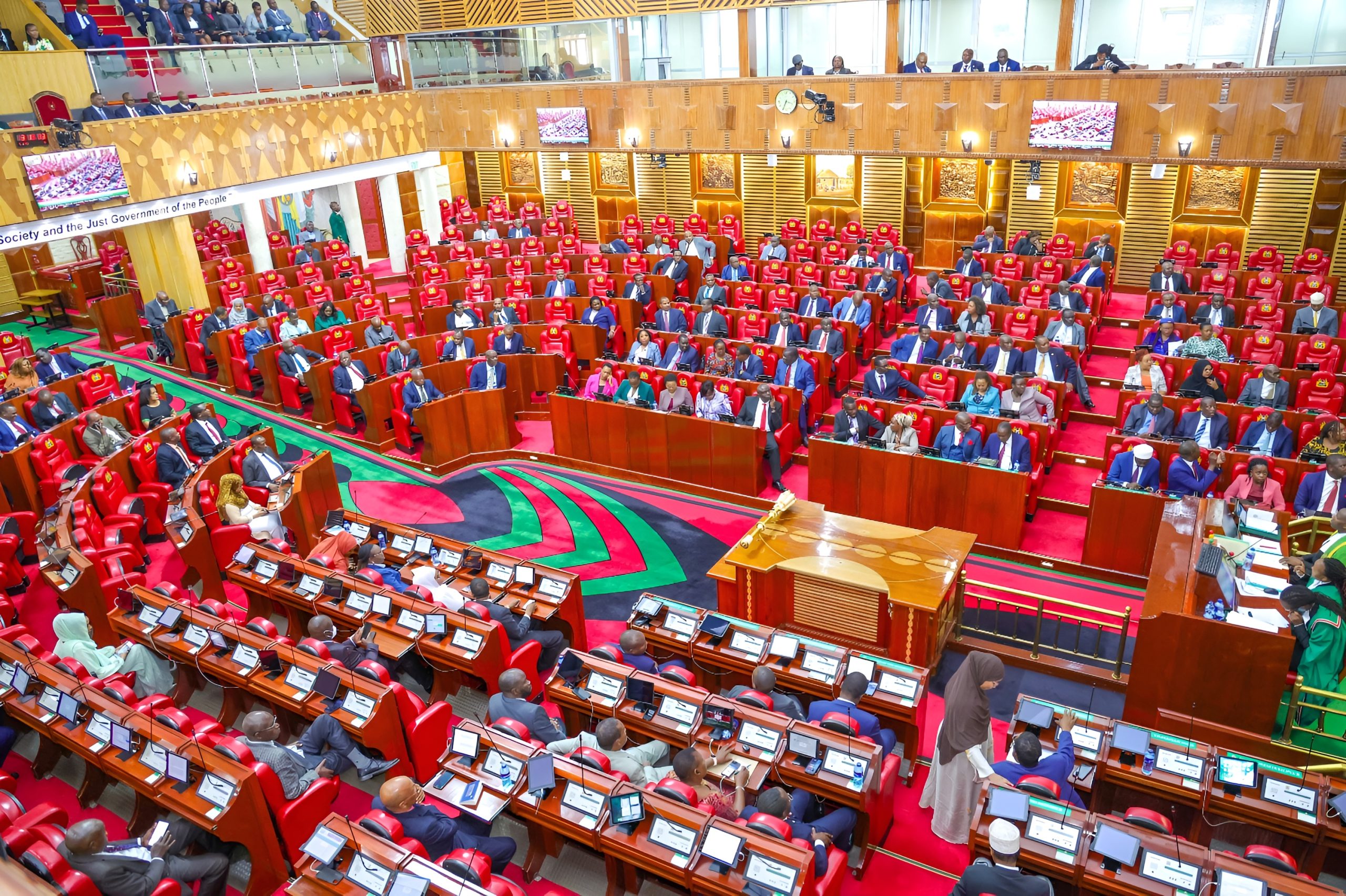
The proposed Banking Fees Regulations, 2026, are under review by the National Assembly’s Committee on Delegated Legislation. They seek to overhaul the formula used to determine annual fees paid by licensed banks to the financial regulator.
While the CBK argues that the reforms are necessary to modernise an outdated funding model, legislators fear the additional financial burden could be passed on to customers through higher bank charges and lending costs.
Under the proposed framework, the existing fixed annual fee, largely determined by the number of branches a bank operates, would be abolished. It would be replaced with a levy equivalent to 0.15 per cent of a bank’s gross annual revenue.
According to CBK Governor Kamau Thugge, the current fee structure has remained virtually unchanged since 1994. This is despite the dramatic transformation of Kenya’s banking industry, which has seen rapid growth in digital banking, mobile money integration, financial technology innovations and increasingly sophisticated financial products.
Appearing before the parliamentary committee, Thugge defended the proposed regulations. He said the new model is intended to ensure the regulator has adequate resources to effectively supervise a rapidly evolving financial sector.
READ ALSO:
However, legislators subjected the proposal to intense scrutiny, raising questions over its legal foundation, implementation framework and potential consequences for consumers.
Kathiani MP Robert Mbui sought clarification on how “gross annual revenue” would be calculated. He expressed concern over whether customer deposits would form part of the assessment.
Responding, Governor Thugge explained that customer deposits are classified as liabilities rather than income and would therefore not be included in the levy calculations. Instead, he said the proposed fee would be based on audited revenue generated through interest earned from loans and investment activities.
Despite the clarification, lawmakers maintained that the proposed regulations leave several critical legal and operational questions unanswered.
Gichugu MP Robert Githinji questioned whether the Banking Act grants the Central Bank sufficient authority to introduce the new charging mechanism. He warned that regulations lacking a clear legal foundation could face constitutional challenges.
Committee members also criticised the use of the term “banking fees” in the draft regulations. They argued the phrase does not expressly appear in the Banking Act and may therefore require legislative backing before implementation.
Fresh concerns also emerged over proposals requiring newly licensed banks to pay annual fees based on projected revenues rather than audited financial performance.
MPs questioned the methodology that would be used to estimate anticipated earnings, warning the provision could unfairly disadvantage new market entrants and discourage competition in the banking sector.
Another contentious issue was the proposed penalty regime. Under the draft regulations, banks that fail to remit the prescribed annual levy within the stipulated timeline would attract a penalty equivalent to 100 per cent of the outstanding amount, effectively doubling the payment due.
Lawmakers described the proposed sanction as excessive and punitive, particularly given that institutions could also face regulatory action, including possible suspension or revocation of operating licences.
Mbui warned that imposing both financial penalties and regulatory sanctions for the same offence would amount to “double jeopardy.” He urged the Central Bank to reconsider the punitive provisions before the regulations are finalised.
Members further noted that the proposed payment deadline falls during the festive season, when many financial institutions operate with reduced staffing. This, they said, could increase the likelihood of delayed compliance.
YOU MAY LIKE:
Nairobi County approves Ksh 49.27bn budget, boosts MSMEs, co-ops
Defending the reforms, Governor Thugge argued that the additional revenue would significantly strengthen the Central Bank’s supervisory capacity amid growing technological and financial risks facing the sector.
He noted that the funds would support investments in cybersecurity infrastructure, artificial intelligence powered regulatory systems, anti-money laundering programmes, fraud detection mechanisms and enhanced oversight of emerging financial technologies.
According to the governor, modern banking supervision now requires significantly greater financial resources than it did three decades ago, particularly as financial crimes become more sophisticated and digital transactions continue to dominate the industry.
The committee, however, maintained that the draft regulations require broader stakeholder engagement before they can be approved. Lawmakers indicated they are likely to invite submissions from commercial banks, consumer rights organisations, financial experts and other industry stakeholders before compiling a final report for debate in Parliament.
The outcome of the parliamentary review will determine whether the proposed levy is adopted, amended or rejected altogether.
Should it proceed, analysts say banks may be forced to review their operating costs, raising concerns that some of the additional financial burden could eventually be passed on to customers through higher banking fees or more expensive credit.
The debate comes as Kenya’s banking sector undergoes rapid digital transformation, with regulators seeking to balance stronger oversight against the need to maintain affordable and accessible financial services for individuals and businesses alike.
By Hillary Muhalya
Get more stories from our website: Sacco Review.
For comments and clarifications, write to: Saccoreview@
Kindly follow us via our social media pages on Facebook: Sacco Review Newspaper for timely updates
Stay ahead of the pack! Grab the latest Sacco Review newspaper!