- Kenya edged out Tanzania after Dangote Group weighed a combination of geographical positioning, existing infrastructure and commercial viability
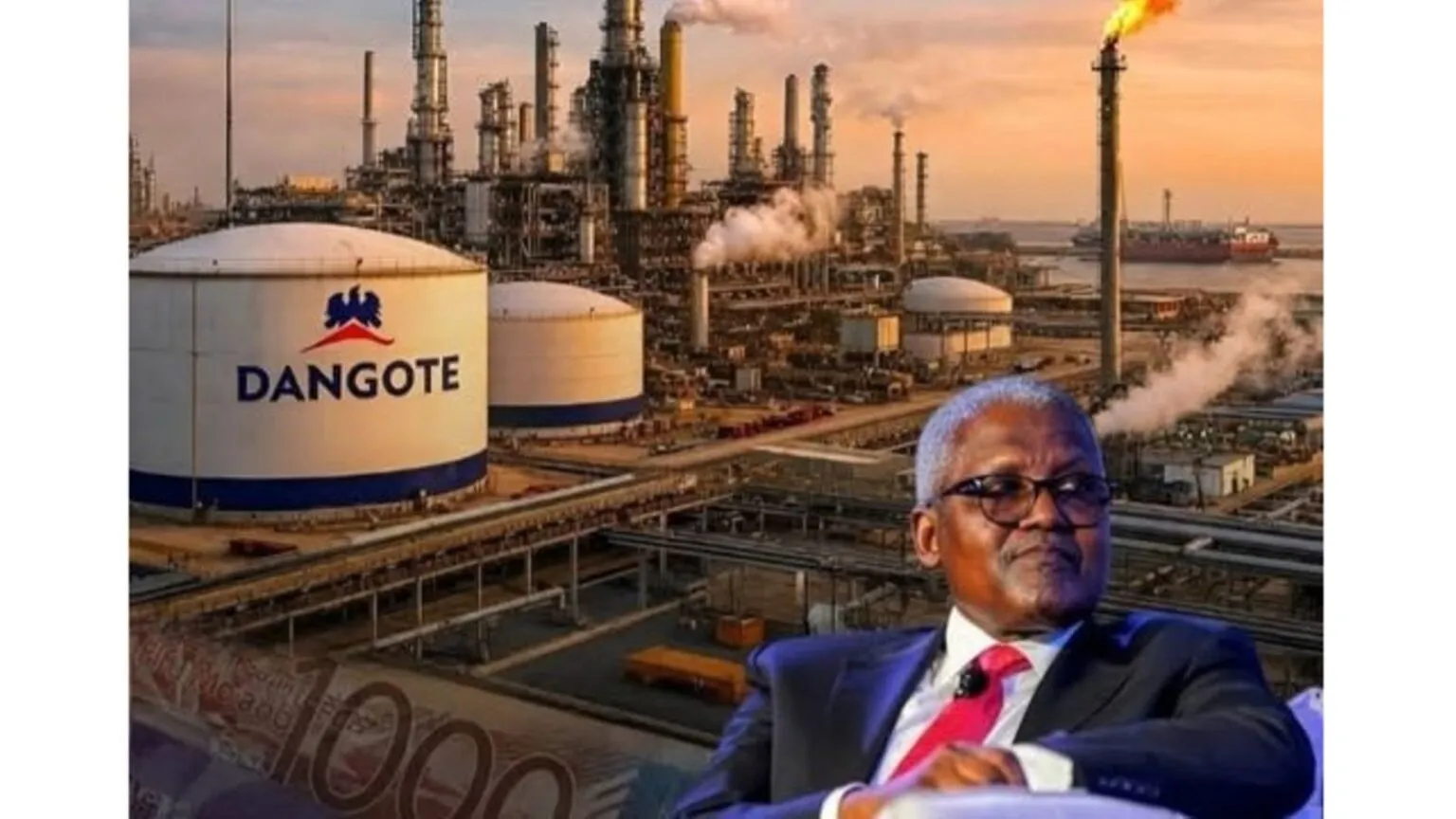
Nigerian billionaire Aliko Dangote has settled on Lamu as the site for his long-anticipated East African oil refinery, closing months of uncertainty over whether the multibillion-shilling project would rise on Kenya’s coast or in Tanzania’s port town of Tanga.
The confirmation came on Tuesday, July 7, 2026, when David Ndii, President William Ruto’s economic advisor, announced on his official X account that construction of the refinery was set to begin before the end of the year.
Kenya edged out Tanzania after Dangote Group weighed a combination of geographical positioning, existing infrastructure, technical readiness, commercial viability and logistics, factors that ultimately tipped the scales toward Lamu despite Tanga’s earlier standing as the frontrunner for the project.
The decision traces back to a summit held in Nairobi on April 23, 2026, where Dangote first floated the refinery proposal, telling delegates that Africa possessed resources the continent had for too long failed to exploit for its own benefit rather than exporting raw materials and importing them back as finished products.
Dangote had pledged to commit to the refinery on condition that it received regional backing, promising a facility with the capacity to process 650,000 barrels of crude oil per day. He said the plant, once operational, would substantially cut East Africa’s reliance on imported refined fuel.
Dangote, who has steadily expanded his business footprint in Kenya in recent years, had earlier explored entering the country’s cement sector, although that plan collapsed before it could take off.
ALSO READ:
In exchange for hosting the refinery, the Kenyan government is expected to provide land, financial backing and policy protection against the dumping of cheap refined fuel into the regional market by competitors. Defending the arrangement, President Ruto said the project would strengthen Kenya’s position as a regional energy hub while shielding the country from external fuel supply shocks.
Tanzania’s exit from contention was not without diplomatic follow-up. In a separate meeting, Dangote met Tanzanian President Samia Suluhu Hassan to explain the reasoning behind bypassing Tanga, the coastal site Tanzania had initially offered for the project. Rather than shutting Tanzania out entirely, Dangote urged Suluhu to partner with Kenya in financing the refinery, arguing that the investment was designed to serve the broader East African market rather than Kenya alone.
Construction of the facility is projected to run for about 30 months, with a further three years required before the refinery begins full-scale crude processing. Once operational, the plant is expected to lower the cost of imported goods, cement Kenya’s status as a regional energy hub, serve the wider East African market and open up new economic opportunities across the region.
To limit dependence on external debt, Dangote said the refinery would be financed through a blend of internally generated cash, bond issuances and proceeds from a planned initial public offering.
Ruto added that Kenya would take up a stake in the project through the National Infrastructure Fund, with the overall investment estimated at between $16 billion and $20 billion, equivalent to roughly Sh2.59 trillion.
By Jonathan Mwinzi
Get more stories from our website: Sacco Review.
For comments and clarifications, write to: Saccoreview@
Kindly follow us via our social media pages on Facebook: Sacco Review Newspaper for timely updates
Stay ahead of the pack! Grab the latest Sacco Review newspaper!