- NSSF Sacco is targeting Tier I status by the end of 2026 as it expands membership nationwide beyond its traditional National Social Security Fund employee base.
- The deposit-taking Sacco has nearly Ksh 5 billion in assets, a Ksh 4 billion loan book, Ksh 3.9 billion in member savings and plans to grow assets above Ksh 6 billion by 2028.
- The Sacco is targeting SMEs, informal businesses and individuals through digital services while supporting cooperative law reforms and maintaining regulatory compliance.
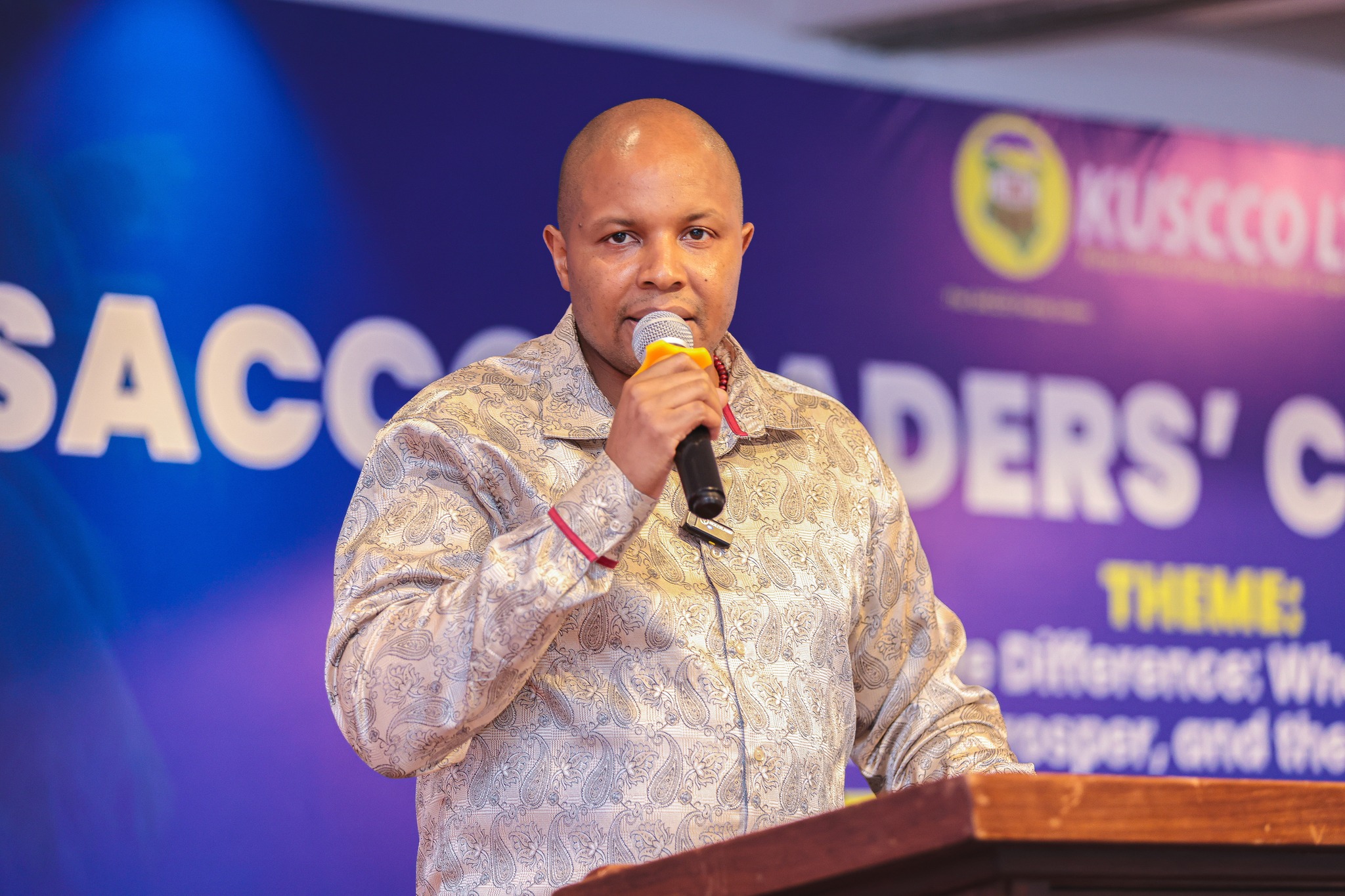
National Social Security Fund (NSSF) Sacco says it is targeting Tier I status by the end of 2026, as it moves to expand membership nationwide beyond its traditional employer base.
Chief Executive Officer (CEO) Antony Kahoru said the Sacco is nearing the Ksh 5 billion asset threshold required for Tier I classification and expects to hit the target before the year ends.
According to Kahoru, the Sacco currently has more than 12,000 members, including nearly 9,000 active members, with about 8,000 transacting monthly. He put its asset base at close to Ksh 5 billion, supported by a Ksh 4 billion loan book, Ksh 3.9 billion in member savings and over Ksh 1 billion in reserves.
Kahoru said the Sacco aims to grow active membership to at least 15,000 and increase assets to more than Ksh 6 billion by 2028. The institution opened membership beyond National Social Security Fund employees in 2004 and now draws members from nearly 50 employers, mainly in the private sector.
“We are looking at the whole market. We are not limiting ourselves to a certain sector or industry,” Kahoru said.
He added that the Sacco is targeting small and medium-sized enterprises (SMEs), informal businesses, traders and transport operators to expand its membership base.
IN CASE YOU MISSED IT:
Kahoru said technology is central to this strategy, with the Sacco investing in digital platforms intended to let members register, access services and manage accounts remotely.
He said the same digital push is meant to strengthen internal operations, cybersecurity and data protection, though he did not give a timeline or cost for the rollout.
The Sacco lists more than 20 credit facilities and over five investment options among its current offerings, per Kahoru. It is also looking to grow non-funded income through insurance brokerage and agency services, using its membership base to negotiate products on members’ behalf.
Kahoru said the expansion will be guided by financial prudence and regulatory compliance. NSSF Sacco is a deposit-taking Sacco regulated by the Sacco Societies Regulatory Authority (SASRA), and Kahoru said it has maintained a strong compliance record, a claim Sacco Review could not independently verify.
Deposit-taking Saccos are required by SASRA to maintain prudential ratios covering liquidity and capital adequacy, intended to protect members’ funds and ensure institutions can meet their obligations.
Kahoru said the institution’s strategy rests on four pillars: financial sustainability, business development, efficient business processes and innovation.
He also backed reforms to Kenya’s cooperative laws, arguing that technology, devolution and changes in the sector require a modern legal framework. He said the Sacco’s broader goal is to extend affordable credit, secure savings and financial services to more Kenyans.
By Bernard Magada
Get more stories from our website: Sacco Review.
For comments and clarifications, write to: Saccoreview@
Kindly follow us via our social media pages on Facebook: Sacco Review Newspaper for timely updates
Stay ahead of the pack! Grab the latest Sacco Review newspaper!