
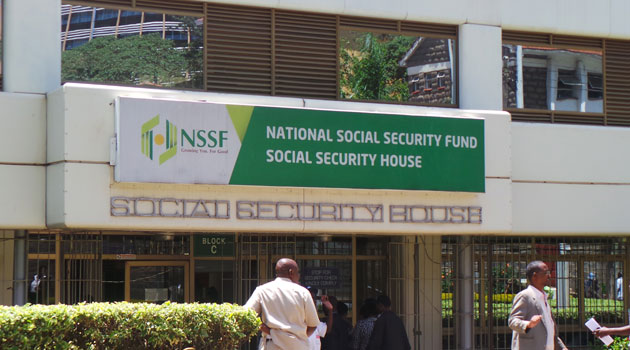
- KRA to match NSSF records with PAYE filings to identify tax defaulters.
- Treasury says KRA will also use Kenya Power data to improve rental income tax compliance.
- Plan is part of efforts to boost revenue collection and reduce reliance on borrowing.
Kenya Revenue Authority (KRA) plans to cross check National Social Security Fund (NSSF) contribution data with Pay As You Earn (PAYE) filings to catch tax defaulters, Treasury officials have revealed.
The move is part of a wider government strategy to boost domestic revenue collection and cut Kenya’s reliance on borrowing.
Treasury officials disclosed the plan on Thursday, July 30, 2026, during a session with the National Assembly’s Public Petitions Committee. The committee had sought to know what measures the government is taking to reduce its borrowing.
Appearing before the committee, Treasury’s Director General of Public Debt Management, Raphael Owino, said the government has expanded the use of data driven systems to identify tax defaulters.
He said KRA is partnering with the NSSF to identify employers and employees who are not remitting PAYE. The authority will cross check NSSF contribution records with PAYE filings to flag individuals and businesses earning income but failing to meet their tax obligations.
“We are working with institutions such as the NSSF, for example, to find out who is contributing to NSSF but is not paying Pay As You Earn (PAYE),” Owino said.
ALSO READ:
Nairobi County approves Ksh 49.27bn budget, boosts MSMEs, co-ops
Treasury officials also said the government is looking to boost rental income tax collection, an area that continues to record low compliance despite its revenue potential.
Owino said KRA will work closely with Kenya Power to track landlords who have defaulted or entirely failed to remit rental income tax.
“What we are doing is to make sure that now we work with companies such as Kenya Power to make sure that we know the people who own large properties but are not paying the rental income tax,” he told the committee.
He added that the measures are meant to modernise KRA’s tax administration systems, which he described as outdated and unable to capture the full economy.
“KRA currently is using very outdated systems that do not capture the economy the way it is. So this is why the agenda of digitisation at KRA is very strong,” Owino said.
The revelations came as the committee questioned Treasury over Kenya’s rising public debt. Committee chairperson Muchangi Karemba raised concerns over the debt burden, citing submissions from youth petitioners and the Controller of Budget showing that public borrowing continues to rise every year.
Responding, Owino admitted that Kenya’s debt levels remain high. He acknowledged the country is not yet in a comfortable fiscal position because of the resources spent on debt servicing.
By Benedict Aoya
Get more stories from our website: Sacco Review.
For comments and clarifications, write to: Saccoreview@
Kindly follow us via our social media pages on Facebook: Sacco Review Newspaper for timely updates
Stay ahead of the pack! Grab the latest Sacco Review newspaper!