
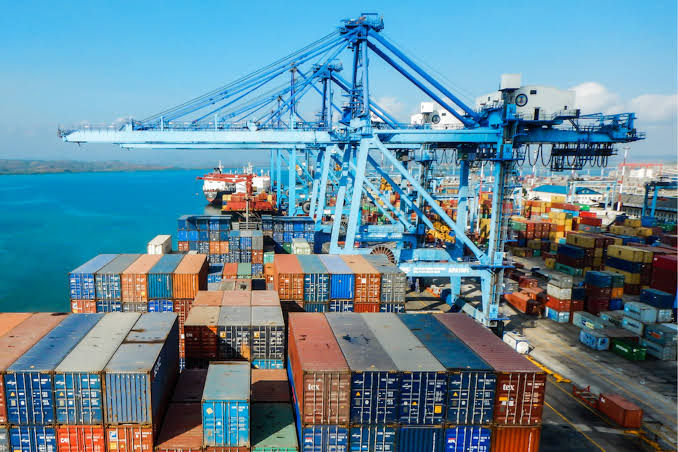
- KRA proposes changes that could cut clearance costs and delays for small importers using shared containers.
- Traders may soon pay only for handling and clearing their own consignments instead of shared costs.
- Dedicated de consolidation facilities could help speed up cargo separation and reduce extra charges.
Small-scale importers could soon face fewer costs and delays collecting goods shipped in shared containers, if proposed changes to consolidated cargo handling go through.
Kenya Revenue Authority (KRA) Board Chairman Ndiritu Muriithi has called for improvements to the de-consolidation process, so individual traders can separate and clear their consignments without carrying costs linked to other importers.
Consolidated shipping allows several traders to share one container, making it cheaper for businesses importing goods in small quantities that cannot fill an entire container on their own.
However, the challenge emerges once the container reaches Kenya. Different consignments must first be removed and identified before individual traders can complete clearance.
According to Muriithi, the system should ensure each importer is responsible only for the goods they brought in.
“If your goods are in the container, you should pay for your goods and receive your goods. If another person’s goods are in the container, they should pay for theirs,” he said.
He added that an importer bringing in a single item should not be forced to deal with charges arising from other traders’ merchandise.
YOU MAY HAVE MISSED:
Kenya National Police Sacco holds cohort three delegates workshop in Mombasa
To fix this, Muriithi proposed setting up and properly using dedicated facilities where shared containers can be opened and consignments sorted by owner.
“That is the answer. We need a facility for de-consolidation,” he said.
Existing facilities
KRA has previously identified facilities for handling consolidated cargo belonging to small-scale traders.
In Nairobi, the Kenya Railways Boma Line Transit Shed has been designated as a national de-consolidation centre, where shared consignments can be separated before individual owners clear and collect their goods.
Such facilities, the authority says, can help cut clearance time and transport costs while allowing Customs officials to verify individual consignments.
The issue has drawn growing attention from small importers and freight industry players, particularly over costs that arise when cargo separation takes longer than expected. Traders can face additional charges for handling, storage and transportation, pushing up the overall cost of importing goods.
Earlier this year, traders and freight groups also raised concerns over proposed changes to the valuation of consolidated cargo. KRA subsequently suspended the new benchmark values to allow further consultations with industry players.
Meanwhile, the authority is rolling out broader reforms in cargo clearance. On August 3, 2026, KRA launched an Advance Cargo Declaration platform for containerised cargo, requiring shipment information to be submitted before goods are loaded for Kenya. The system is designed to strengthen cargo tracking and give Customs officials earlier access to shipment information.
By Jonathan Mwinzi
Get more stories from our website: Sacco Review.
For comments and clarifications, write to: Saccoreview@
Kindly follow us via our social media pages on Facebook: Sacco Review Newspaper for timely updates
Stay ahead of the pack! Grab the latest Sacco Review newspaper!