- Banks have increased lending to MSMEs as falling interest rates make credit more affordable.
- The latest figures reveal which lenders are leading the race to finance small businesses.
- Lower borrowing costs are encouraging stronger demand for credit across key sectors of the economy.
Kenyan businesses are gaining easier access to bank financing, with lenders advancing Ksh 245.06 billion to Micro, Small and Medium Enterprises (MSMEs) in the first six months of the year.
The rise in credit comes against a backdrop of falling lending rates, which has made borrowing more attractive to businesses seeking funds for expansion and day-to-day operations.
According to figures compiled by the Kenya Bankers Association, Equity Bank was the biggest lender to MSMEs during the period, advancing Ksh 82.3 billion.
Co-operative Bank followed with Ksh 32.4 billion, while KCB provided Ksh 26.4 billion. Family Bank disbursed Ksh 21.6 billion, NCBA Ksh 17.7 billion and I&M Bank Ksh 13.9 billion.
Other lenders included Absa Bank at Ksh 12.9 billion, Kingdom Bank at Ksh 7.8 billion, DTB at Ksh 7.4 billion and National Bank at Ksh 5.1 billion.
Falling rates drive demand
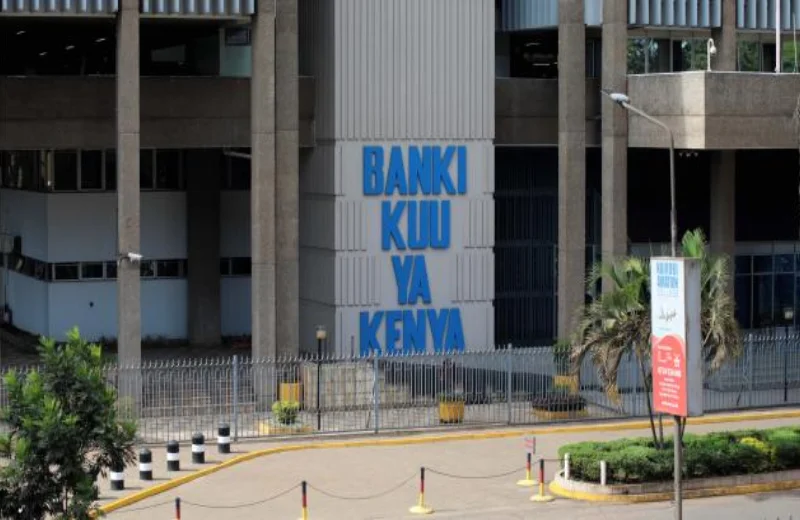
The stronger demand for credit follows the Central Bank of Kenya’s decision to lower its benchmark rate earlier this year. In February, CBK reduced the Central Bank Rate from nine percent to 8.75 percent, aiming to encourage private-sector borrowing while keeping inflation under control.
YOU MAY HAVE MISSED:
The regulator has since held the rate at 8.75 percent in subsequent reviews, citing stable inflation, increased lending to businesses and a steady foreign exchange market.
This effect is also showing up in the wider credit market. According to CBK’s August Monetary Policy Committee review, credit extended by commercial banks to the private sector expanded by 10.2 percent in July, following growth of 10.6 percent in June. That marks a sharp turnaround from a 2.9 percent contraction recorded in January 2025.
Trade, building and construction, agriculture and consumer durables were among the sectors recording strong demand for financing.
“Growth in credit to key sectors of the economy, particularly trade, building and construction, agriculture, and consumer durables remained strong, reflecting improved demand for credit in line with the decline in lending interest rates,” CBK said.
Meanwhile, the cost of borrowing has continued to decline, with the average commercial bank lending rate falling to 14.3 percent in July from 14.4 percent in June. The rate stood considerably higher at 17.2 percent in November 2024, underscoring how much financing conditions have eased since then.
By Jonathan Mwinzi
Get more stories from our website: Sacco Review.
For comments and clarifications, write to: Saccoreview@
Kindly follow us via our social media pages on Facebook: Sacco Review Newspaper for timely updates
Stay ahead of the pack! Grab the latest Sacco Review newspaper!