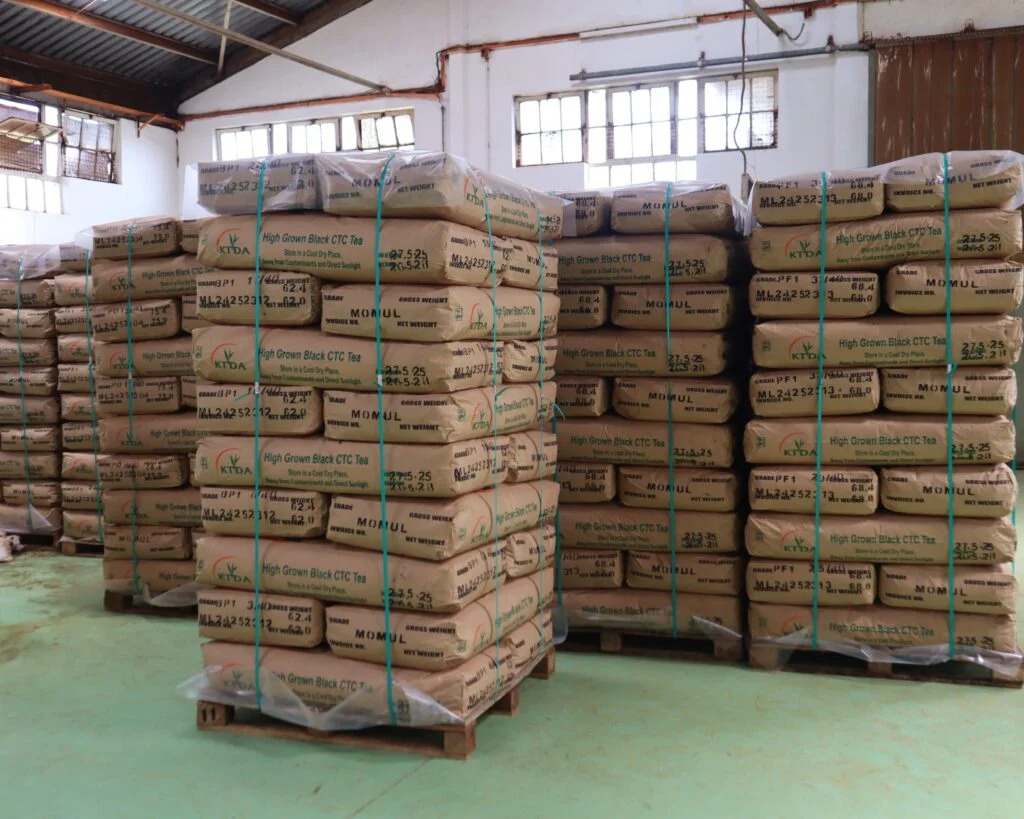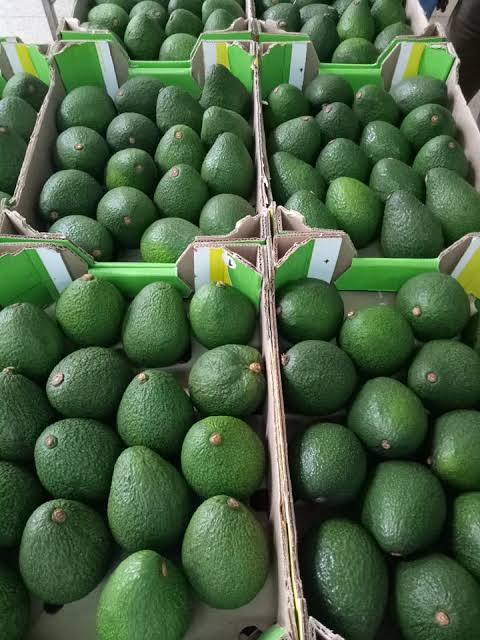
- Fresh produce exporters warn the JKIA go slow could spoil shipments and cost farmers.
- Delays threaten Kenya’s reputation among international buyers.
- Industry leaders are urging a swift resolution to protect export markets.
Kenya’s fresh produce sector has raised the alarm over the ongoing aviation workers’ go-slow at Jomo Kenyatta International Airport (JKIA), warning that the disruption could tarnish the country’s standing as a reliable exporter of flowers, fruits, vegetables, meat and other perishables.
The Fresh Produce Consortium of Kenya (FPC) said on Monday that continued delays at the country’s main gateway put shipments at risk of missing connecting flights, losing orders and spoiling before reaching buyers abroad.
The disruption stems from a strike by the Kenya Aviation Workers Union (KAWU), now in its second day, which has thrown operations at JKIA and other airports into chaos and left hundreds of passengers stranded.
Workers under KAWU at the Kenya Airports Authority (KAA), Kenya Civil Aviation Authority (KCAA) and Jambojet walked off the job on Sunday, after a framework agreement reached with the government in July to address longstanding labour grievances fell apart. The union has raised concerns over collective bargaining agreements, pay, contract terms, job security and career progression.
A bigger economic threat
FPC president and chief executive Okisegere Ojepat said the fallout extends well beyond travellers’ frustration, stressing that a dependable JKIA is essential to preserving Kenya’s foothold in international fresh produce markets. He described the situation as more than an operational headache, calling it a genuine risk to the country’s export economy.
YOU MIGHT HAVE MISSED:
According to the consortium, fresh produce exporters run on tight, time-sensitive schedules because most of their cargo is perishable and relies heavily on air freight. Prolonged delays could therefore translate into direct financial losses for both exporters and farmers, while also straining relationships with buyers overseas.
Pressure mounts to resolve dispute
The concerns are adding to calls for aviation authorities to settle the standoff swiftly.
KAA has acknowledged the delays, saying it is coordinating with aviation agencies, airlines and other stakeholders to limit the disruption, and has urged passengers to check their flight status directly with airlines.
Kenya Airways said on Sunday that flights through JKIA were departing two to three hours late on average, citing operational constraints within air traffic control services.
The wider fallout has already led to flight cancellations and delays, with some passengers reporting missed connections and unplanned overnight stays at the airport. Talks between the union and government representatives resumed on Monday, after Sunday’s negotiations failed to yield a resolution.
Buyer confidence at stake
For exporters, the bigger worry lies beyond the immediate disruption — its potential to erode confidence among international buyers. Ojepat warned that Kenya cannot afford to lose its export markets, nor can it afford an unreliable JKIA.
The FPC has urged KAA and KCAA to resolve the dispute without delay, arguing that consistent airport operations are critical to safeguarding export earnings, protecting jobs across the agricultural value chain, and preserving Kenya’s reputation as a dependable supplier.
By Benedict Aoya
Get more stories from our website: Sacco Review.
For comments and clarifications, write to: Saccoreview@
Kindly follow us via our social media pages on Facebook: Sacco Review Newspaper for timely updates
Stay ahead of the pack! Grab the latest Sacco Review newspaper!