- Kenya seeks aflatoxin free maize from Uganda.
- Aflatoxin concerns hinder cross border maize trade.
- Kenya and Uganda push for easier regional trade.
Kenya wants aflatoxin-free maize from Uganda as both countries push for expanded agricultural trade under the African Continental Free Trade Area.
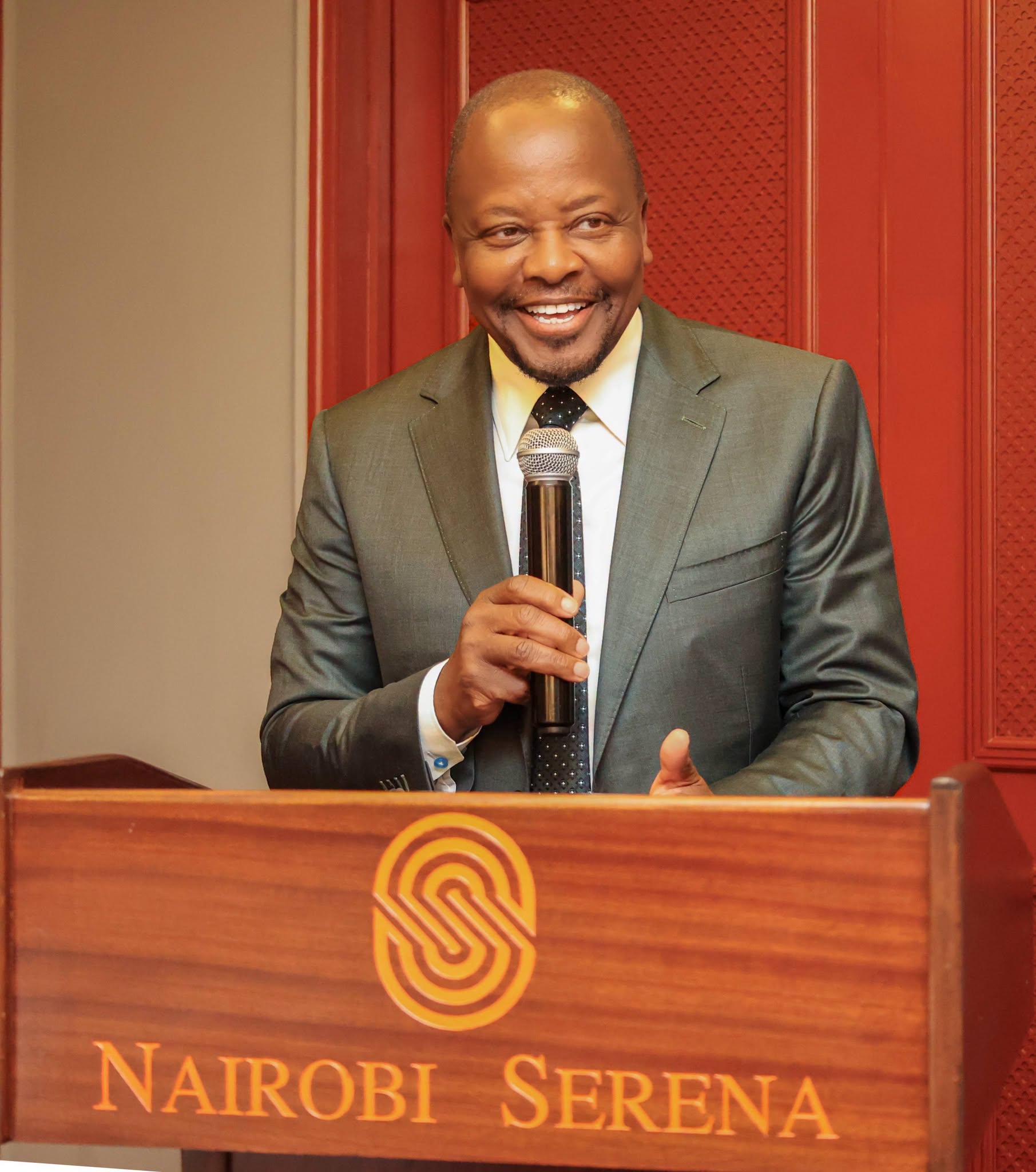
Cabinet Secretary for Agriculture Mutahi Kagwe said Uganda is well placed to supply part of Kenya’s maize requirements. However, he urged the country to strengthen how farmers dry their grain before it crosses the border.
“We need a system in Uganda where maize is dried before it crosses the border,” Kagwe said. “We can buy, but we need aflatoxin-free maize.”
According to Kagwe, worries over moisture and aflatoxin levels have made some Kenyan millers hesitant to accept maize from across the border. Tackling the problem at source, he said, would open up greater trade while keeping Kenyan consumers safe.
A win-win push under AfCFTA
Speaking during a luncheon meeting with Uganda’s Parliamentary Committee on Agriculture, Kagwe placed the maize discussion within the wider African Continental Free Trade Area (AfCFTA) conversation. In his view, African nations should tackle practical trade obstacles together rather than let them shut farmers out of markets.
“We have to ease off these small tariff and non-tariff barriers,” he said. “We have to look for ways in agriculture where it is a win-win situation.”
READ ALSO:
The Ugandan delegation echoed the call for deeper trade, noting that African countries still trade too little among themselves despite AfCFTA’s existence. They pushed for harmonised agricultural protocols, including within the East African Community, to ease produce movement without compromising safety standards.
Funding gap holds sector back
Beyond trade, financing emerged as a shared worry. Legislators from both countries warned that agriculture remains underfunded despite carrying much of the load for food security and rural incomes. Uganda’s delegation noted that the sector receives just 2.2% of the country’s national budget.
National Assembly Agriculture and Livestock Committee Chairperson John Mutunga said Kenya faces a similar gap.
“If we fund education at 24.7%, we are putting more resources to create demand for jobs,” Mutunga said. “If we fund agriculture at less than 5%, we are constraining the sector that would create those jobs.”
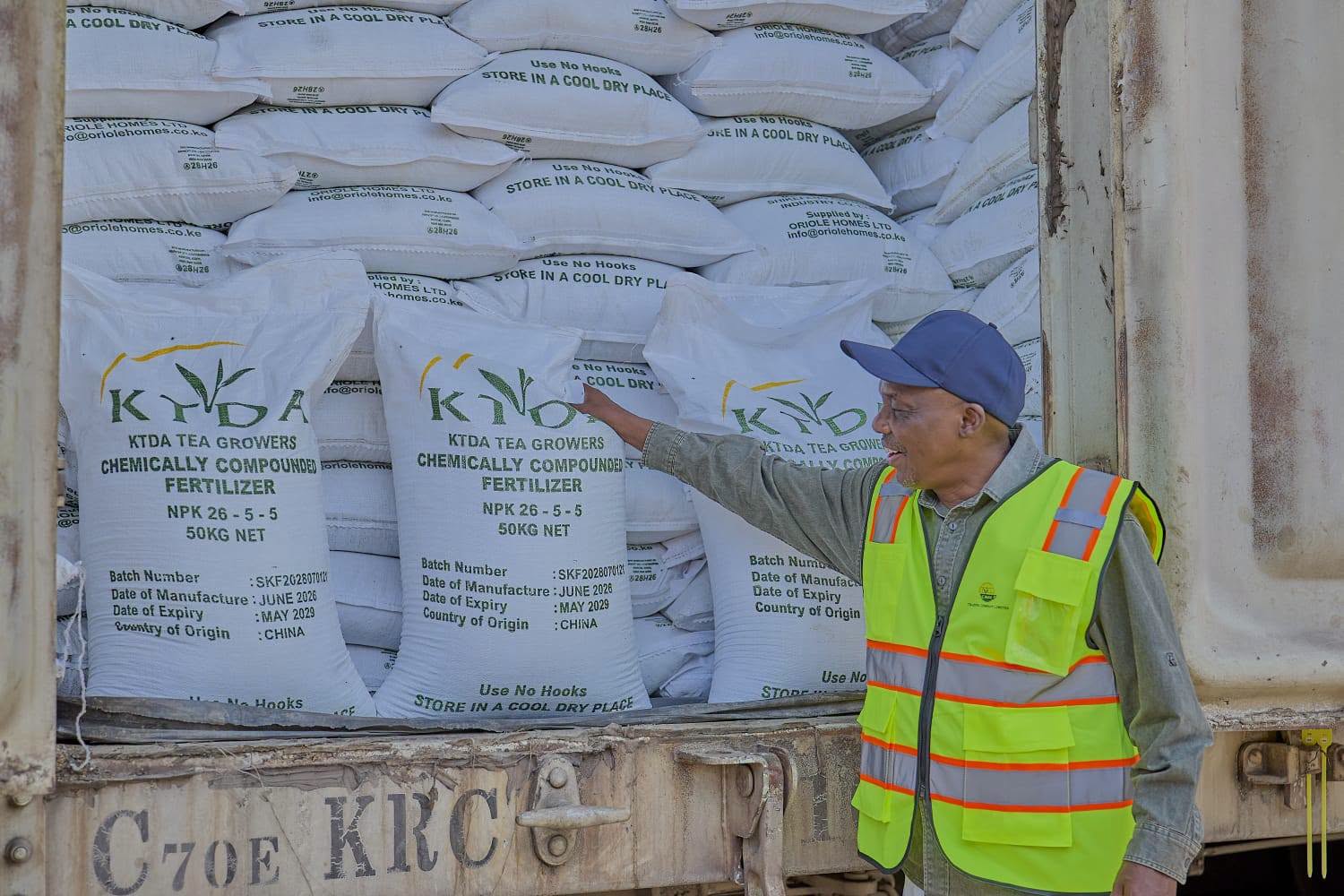
He pointed to Kenya’s fertiliser and seed subsidy programmes and its growing farmer registration base, now above 7.2 million, as steps toward stronger productivity.
Kagwe also invited Uganda to consider adopting Kenya’s Animal Identification and Traceability (ANITRAC) system, which tracks roughly 77 million livestock and supports efforts against cattle rustling. He called for greater sharing of agricultural technology between the two countries, saying regional integration should deliver practical benefits for farmers and consumers alike.
By Benedict Aoya
Get more stories from our website: Sacco Review.
For comments and clarifications, write to: Saccoreview@
Kindly follow us via our social media pages on Facebook: Sacco Review Newspaper for timely updates
Stay ahead of the pack! Grab the latest Sacco Review newspaper!