
- KJET to issue Ksh500 million in non refundable grants to small businesses.
- First phase targets businesses needing up to Ksh5 million in capital.
- Grants will support enterprises across key value chains nationwide.
The government is set to roll out millions of shillings in non-refundable grants to thousands of micro and small businesses across the country, in a fresh push to boost entrepreneurship and create jobs.
Deputy President Kithure Kindiki said the Kenya Jobs for Economic Transformation (KJET) programme is ready for launch in the coming weeks, with the first beneficiaries set to receive financial support through a matching grant model.
According to Prof Kindiki, the first phase will target businesses seeking capital investment of up to Ksh5 million, with the government meeting half the required amount while the beneficiary raises the remaining 50 per cent.
“This project will reach many small businesses by supporting them with matching grants. The first beneficiaries are those requiring up to Ksh5 million in capital investment. The business will raise 50 per cent and this project will support them with the other 50 per cent in matching grants, because it is not a loan and it is not refundable,” he said.
For many small enterprises that have struggled to access affordable capital, the announcement offers a meaningful boost, particularly those looking to expand operations, acquire equipment or create new jobs.
Preparations underway for rollout
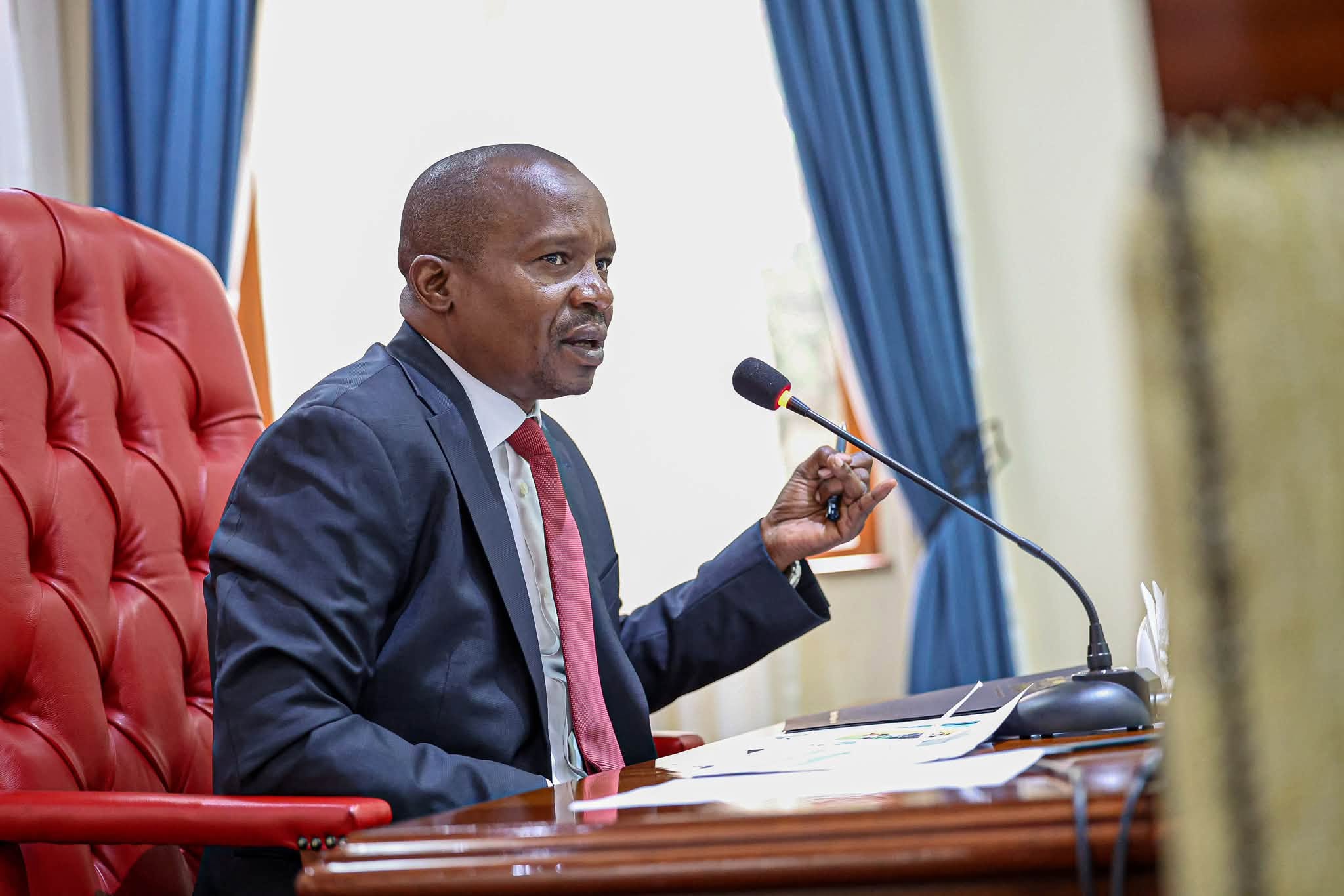
Speaking on Wednesday, September 9, 2026, at the official residence in Karen, Nairobi, Prof Kindiki met Principal Secretaries and heads of agencies responsible for implementing KJET, directing them to expedite preparations for the programme’s launch.
He said the government had taken time to fine-tune the financing model to ensure it delivers the intended support effectively.
“We are ready and the work needed has been done. We have taken time to fine-tune the model to deliver this support to the people of Kenya,” he said.
A second, larger financing window will follow the first phase, this time targeting businesses requiring grants of up to Ksh10 million, the Deputy President said.
Rural businesses and key value chains in focus
KJET will prioritise businesses across the country, with particular attention to rural areas where access to financial support has historically remained limited, despite the potential of small enterprises to drive local economic growth.
READ ALSO:
Regional body urges calm amid Kenya foreign trader crackdown
The programme is expected to support enterprises operating along several key value chains, including dairy, textile, coffee, tea, rice, leather, blue economy and mining.
“KJET is going to support thousands of businesses across the country. This project will boost many micro and small-scale businesses by supporting them with matching grants,” Prof Kindiki noted.
Officials hope the initiative will help enterprises increase production, generate employment and raise incomes for the millions of Kenyans who depend on small businesses for their livelihoods.
Lessons from NYOTA to guide wider reach
Prof Kindiki said the government was determined to ensure the programme reaches deserving businesses regardless of location, directing KJET officials to draw lessons from the recently disbursed National Youth Opportunities Towards Advancement (NYOTA) funds.
“We will make sure that every part of Kenya is reached. I have directed that, like NYOTA, the business support component which we are about to roll out must reach every ward, every constituency and every county,” he said.
Other components of the programme, including support for businesses to acquire common-user equipment for value addition, are also being finalised. Prof Kindiki said such equipment would help small businesses increase productivity and participate more effectively in value addition, strengthening the country’s broader industrialisation efforts.
Fair distribution of resources across the country remained central to the plan, Prof Kindiki said, describing shared and equitable access to national resources as key to reaching as many beneficiaries as possible.
KJET is expected to complement other existing government programmes aimed at supporting entrepreneurs and young people, widening access to capital and creating room for businesses to grow.
Ultimately, Prof Kindiki said, the goal is to help micro and small enterprises raise their incomes and improve the livelihoods of the millions of Kenyans who rely on them.
By John Majau
Get more stories from our website: Sacco Review.
For comments and clarifications, write to: Saccoreview@
Kindly follow us via our social media pages on Facebook: Sacco Review Newspaper for timely updates
Stay ahead of the pack! Grab the latest Sacco Review newspaper!