- KRA’s tax demand against KUSCCO has hit a legal hurdle.
- Fresh scrutiny of KUSCCO’s accounts could reshape the dispute.
- The ruling comes amid growing concerns over KUSCCO’s financial health.
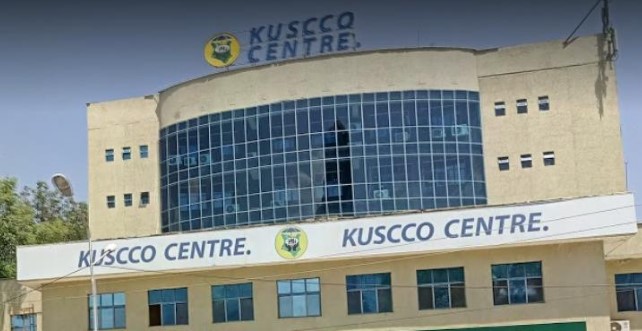
The Tax Appeals Tribunal has thrown out a Ksh972.9 million tax demand that the Kenya Revenue Authority (KRA) issued to the Kenya Union of Savings and Credit Cooperatives (KUSCCO).
At the centre of the dispute are alleged arrears from 2019 to 2022. The claim covers corporation tax, withholding tax, Value Added Tax (VAT) and Pay As You Earn (PAYE). According to the tribunal, KRA built its assessment on financial records that were neither reliable nor verified, which weakened the demand from the outset.
Then came a costly slip over timing. KRA filed its final written arguments on August 19, 2026, eight days after the legal deadline had passed. As a result, the tribunal declined to look at them. That left the assessment without any defence on the record.
Even so, KUSCCO has not been cleared. The tribunal stressed that its ruling does not erase the possible liability. Rather than cancel the debt outright, it sent the case back for a fresh assessment.
The judgment sets out a tight schedule. KUSCCO must hand over fully signed and audited financial statements within 14 days. After that, KRA has 60 days to study the reconstructed records and issue a revised decision that can stand up in law.
READ ALSO:
The ruling lands at a difficult moment for the union. A forensic audit by PricewaterhouseCoopers (PwC) recently exposed deep problems in how KUSCCO was run under its previous leadership. The report found Ksh9.3 billion in misstated accounts. According to its findings, former executives overstated income and hid heavy losses, which gave a false picture of financial strength.
More troubling still, the audit identified an insolvency gap of Ksh12.5 billion. That hole puts about Ksh24.8 billion in deposits at risk. The money belongs to 247 member Saccos across the country, and many of their members depend on those savings.
Regulators have already responded. Saccos have been told to cut their dividend payouts so that their balance sheets can better absorb the losses expected from the fraud. For ordinary members, this will likely mean smaller returns in the coming season.
By Benedict Aoya
Get more stories from our website: Sacco Review.
For comments and clarifications, write to: Saccoreview@
Kindly follow us via our social media pages on Facebook: Sacco Review Newspaper for timely updates
Stay ahead of the pack! Grab the latest Sacco Review newspaper!