
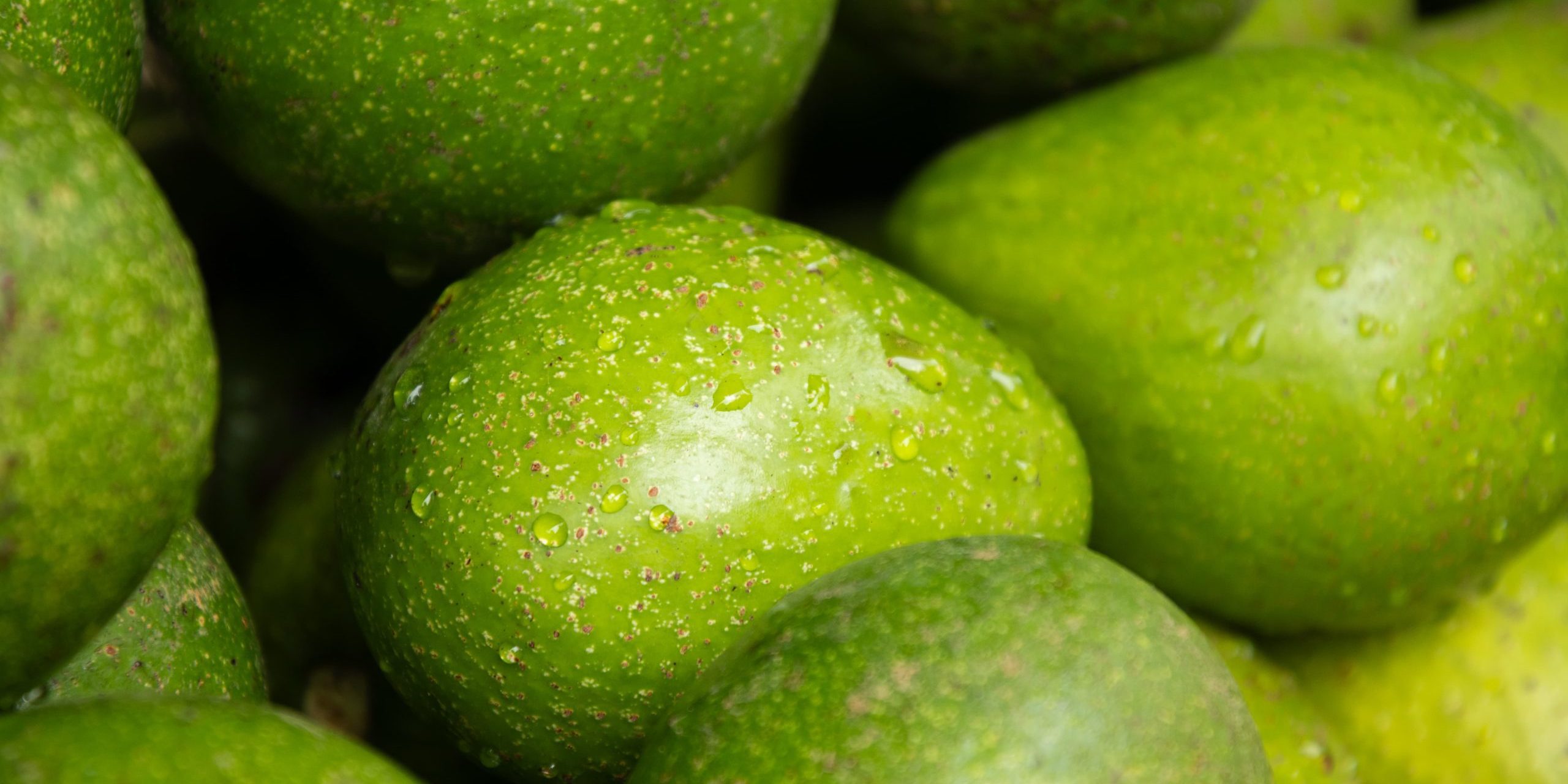
The Agriculture and Food Authority (AFA) has officially announced the resumption of avocado harvesting for export by sea shipment, effective April 2, 2026.
This follows a suspension on avocado sea exports for the 2025/2026 season, which was imposed in October 2025 to address concerns over immature fruit harvesting and to protect the integrity of Kenya’s international avocado markets.
In a statement issued on March 25, 2026, AFA’s Acting Director General, Calistus Kundu, outlined key guidelines for exporters. He noted that beginning April 7, 2026, all fresh export produce will be subject to pack house inspections, with exporters required to apply for inspection at least three days prior to shipment.
“All exporters must submit a list of their Horticultural Produce Marketing Agents (HPMA) or suppliers by March 30, 2026,” Kundu emphasized in the notice.
For those involved in oil processing, the regulations state that harvesting for oil processing will begin on April 30, 2026, due to the need for higher maturity indices in the fruits destined for oil production.
ALSO READ:
Kirinyaga Governor wants coffee cooperatives Ksh 1.6Bn debt waived to accelerate growth
AFA has also warned exporters and agents against non-compliance with packing regulations.
“Avocados must not be transported without crates or on open pickup trucks or Probox vehicles,” Kundu stressed. Any violation of these guidelines will result in the revocation of export licenses or registration.
In addition to the packhouse inspections, AFA will also be conducting surveillance at avocado oil processing facilities. Any processor found handling immature fruit will have their packhouse registration and export license revoked.
The authority’s decision to delay the resumption of sea exports was informed by a field survey conducted between March 1 and 6, 2026, which assessed the maturity indices and volumes of avocado in key production zones. The survey revealed that mature fruit levels were insufficient for the planned export season, prompting the extension of restrictions until April.
Kenya, once Africa’s leading avocado exporter, faced significant challenges in the 2025 season, it recorded a 19% year-on-year decline in shipments to an estimated 105,164 tonnes.
According to preliminary data from the Food and Agriculture Organization (FAO). Logistics bottlenecks caused by disruptions in the Red Sea shipping corridor, a crucial route for Kenyan exports to Europe, contributed heavily to the decline.
In contrast, Morocco saw a remarkable 90% year-on-year increase in avocado exports, reaching 141,000 tonnes in 2025, overtaking Kenya to become Africa’s top avocado exporter. South Africa also experienced a decline in exports, falling 6% to 80,423 tonnes, due to the same logistical challenges.
Despite these setbacks, Africa’s avocado export industry as a whole saw growth. The FAO reported a 16.67% increase in Africa’s avocado exports in 2025, totaling 430,432 tonnes, and global avocado exports rose by 13%, reaching approximately 3.3 million tonnes.
By Obegi Malack
Get more stories from our website: Sacco Review.
For comments and clarifications, write to: Saccoreview@
Kindly follow us via our social media pages on Facebook: Sacco Review Newspaper for timely updates
Stay ahead of the pack! Grab the latest Sacco Review newspaper!