Food prices are expected to decline in the coming months despite a recent rise in inflation. This is according to the Central Bank of Kenya’s (CBK) latest agriculture survey, released in July 2025.
The report shows that inflation edged up to 4.1 percent in July compared to the same period last year. However, the majority of farmers remain optimistic about the sector’s performance, with 82 percent anticipating continued vibrancy over the next three months and 86 percent projecting further improvements over the next year this is a slight “fall” from 89 percent recorded in May.
CBK attributes this optimism to favorable rainfall patterns and ongoing government interventions aimed at boosting agricultural productivity.
As harvests from the current season begin to reach markets, respondents expect food prices to ease. “Consumers are likely to see some relief in food expenditure if key inhibiting factors are addressed,” the report stated.
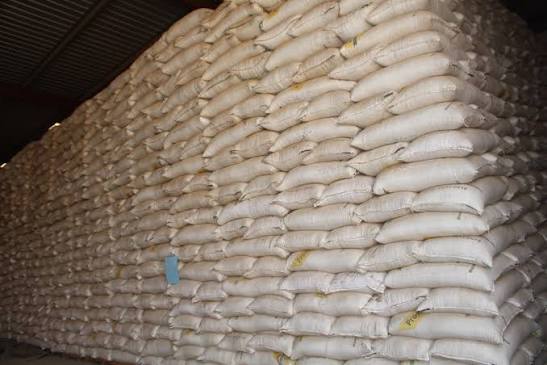
One of the commodities expected to see a price drop is rice, with domestic production benefiting from good weather and supplemented by imports.
ALSO READ:
DP Kindiki hails CBK rate cut as signal of economic recovery
The report also notes that global rice prices have been falling due to increased output in major rice-producing regions.
However, not all food items are expected to follow the same trend. About five percent of respondents anticipate a rise in sugar prices in the coming month. CBK attributes this to several factors, including recent price increases in July, uncertainty following the leasing of sugar firms to private operators, reduced cane deliveries, and potential factory shutdowns for maintenance.
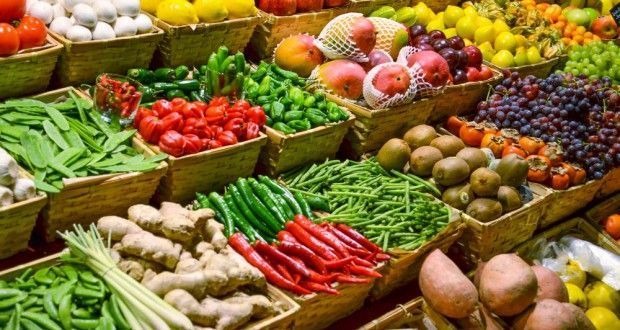
Despite concerns over sugar, the overall outlook for food prices remains stable, with a downward bias. The March-May long rain season has supported the growth of fast-maturing vegetables such as sukuma wiki, carrots, potatoes, onions, cabbages, spinach, and other traditional greens.
While the Consumer Price Index (CPI) has shown a slight decline in prices, CBK cautions that retail costs are still heavily influenced by transport logistics and weather conditions, factors cited by 86 percent and 84 percent of respondents, respectively.
ALSO READ:
Tea Board calls for tea transport levy waiver, says it eats farmers’ bonuses
Farmers participating in the survey urged the government to prioritise the expansion and maintenance of rural feeder roads, which they say are critical to ensuring consistent market supply and reducing post-harvest losses.
However, experts warn that without adequate funding, the agriculture sector may struggle to meet food security targets. In its review of the 2025/26 budget, the National Assembly’s Agriculture and Livestock Committee flagged a Sh14.53 billion shortfall, raising concerns about the sector’s ability to sustain growth and resilience.
By Masaki Enock
Get more stories from our website: Sacco Review.
For comments and clarifications, write to: Saccoreview@
Kindly follow us via our social media pages on Facebook: Sacco Review Newspaper for timely updates
Stay ahead of the pack! Grab the latest Sacco Review newspaper!