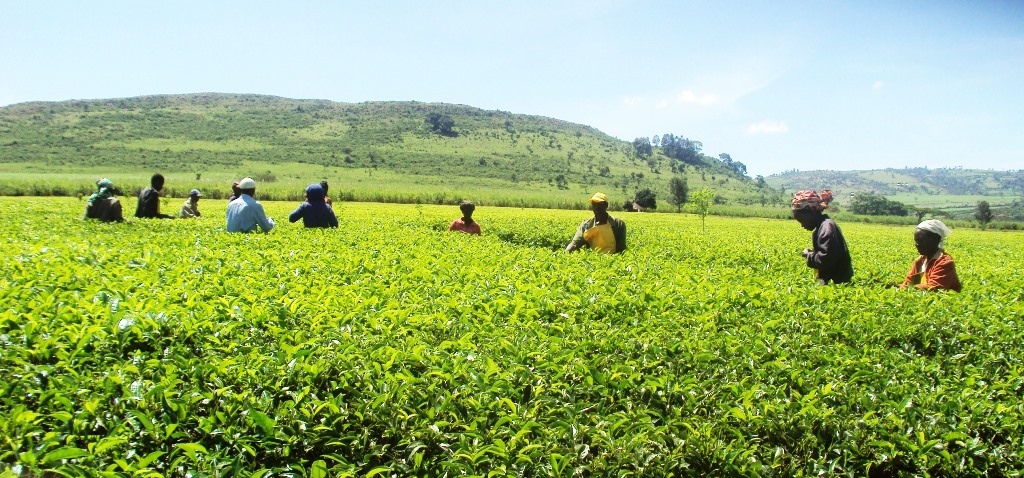
Stakeholders in Kenya’s tea and coffee cooperatives have pledged to take the fight against child labour to grassroots communities, in a renewed push to boost farmer incomes and protect children across agricultural value chains.
The commitment follows a 12-day Training of Trainers on Cooperative Development Tools, where participants resolved to cascade knowledge to farmers and cooperative leaders at the local level, creating a ripple effect expected to strengthen ongoing reforms in the sector.
The government, working with development partners, has intensified efforts to eliminate child labour by addressing its root causes including poverty, low farmer earnings and limited access to education.
A 2025 study paints a grim picture, indicating that four out of five children in Sub-Saharan Africa are engaged in child labour, underscoring the scale of the crisis in agriculture-dependent economies.
Speaking at the close of the training, National Project Coordinator for the Accelerating Action for the Elimination of Child Labour in Africa (ACCEL Africa), Hellen Rintari, warned that failure to tackle the vice could lock farmers out of lucrative international markets.
“If we do not eliminate child labour, it means reduced income for farmers in international markets,” she said.
The ACCEL Africa project, implemented by the International Labour Organisation with funding from the Government of the Netherlands, targets the eradication of child labour in tea and coffee value chains.
ALSO READ;
Boda bodas are symptoms of poor road infrastructure, not sign of thriving economy
Rintari said the training had equipped cooperative stakeholders with practical skills in governance, management and inclusive development, aimed at strengthening cooperatives to operate more efficiently and sustainably.
She noted that empowering cooperatives is key to improving livelihoods for smallholder farmers while addressing vulnerabilities that drive child labour.
A major focus of the programme is inclusion, with deliberate efforts to increase the participation of women and youth in cooperative leadership and decision-making.
“Stronger and more inclusive cooperatives can improve household incomes, promote decent work and reduce the conditions that often lead to child labour,” she added.
Cooperative Officer in Nyeri, Harrison Macharia, said some families still depend on child labour to supplement income due to weak cooperative systems and low returns.
In Meru, Cooperative Officer Doreen Makena called for stronger leadership structures and greater inclusivity within cooperatives to safeguard children’s rights.
The initiative is expected to create a multiplier effect across counties, reinforcing national efforts to promote decent work and end child labour in Kenya’s agricultural sector.
By John Majau
Get more stories from our website: Sacco Review.
For comments and clarifications, write to: Saccoreview@
Kindly follow us via our social media pages on Facebook: Sacco Review Newspaper for timely updates
Stay ahead of the pack! Grab the latest Sacco Review newspaper!