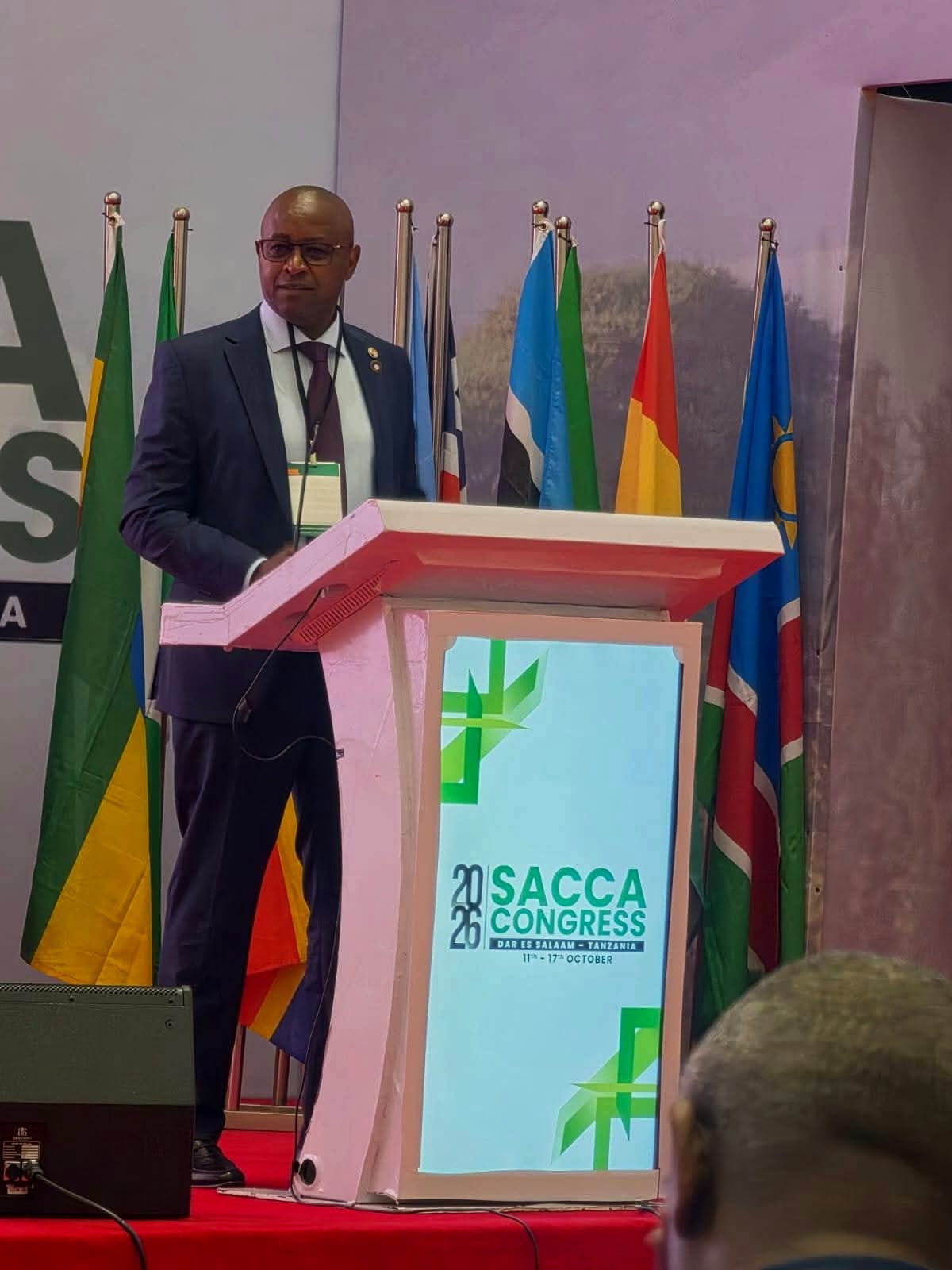

The government has barred all Savings and Credit Cooperative Societies (SACCOs) in Kenya from investing in non-core business activities until proper regulations and supervisory frameworks are in place.
This decision comes amid rising concerns over financial mismanagement and instability within the SACCO sector, which has seen some cooperatives plunge into financial turmoil due to unregulated investments.
Cooperatives and MSMEs Development Cabinet Secretary Wycliffe Oparanya made the announcement while appearing before the Senate on August 6, 2025. He explained that audits conducted by his ministry had revealed that many Saccos were engaging in ventures unrelated to their core mandate of mobilizing savings and issuing loans. These risky investments, he said, were partly responsible for the collapse or distress of several Saccos across the country.
Among the Saccos under scrutiny are Moi University SACCO (MUSCO) and Afya SACCO, both of which are reportedly facing liquidity challenges. Oparanya attributed the difficulties in these and other Saccos to the failure by some employers, especially county governments, to remit statutory deductions from their employees’ pay. This delay or outright failure in remittance has made it impossible for affected Saccos to meet member demands for savings and credit, creating financial strain and growing member dissatisfaction.
ALSO READ:
Treasury fast-tracks KPC stake sale to raise Ksh100 billion amid budget crisis
The CS ruled out any possibility of government bailouts for the struggling Saccos, citing current budget limitations. Instead, he urged Saccos facing distress to consider liquidating their assets to compensate members and restore some level of stability. He emphasized that the state cannot continue to bear the burden of poor investment decisions and mismanagement by Sacco boards and managers.
Oparanya also pointed to the operational weaknesses of the Sacco Societies Regulatory Authority (SASRA), the body tasked with regulating and supervising Saccos. He noted that although SASRA is expected to provide oversight, its capacity is limited due to chronic under-funding. Most of the levies collected from Saccos for regulatory purposes are redirected to the National Treasury instead of being retained by the authority to finance its functions. This, according to the CS, has made it difficult for SASRA to perform its role effectively, especially in dealing with complex or urgent Sacco crises.
To address these challenges, the CS called on the Senate to fast-track the approval of the Sacco Societies (Amendment) Bill, 2025. The Bill includes a range of reforms aimed at strengthening governance and safeguarding member savings. One of the proposed measures is to criminalize the late remittance of deductions by employers. The Bill also seeks to allow SASRA to retain levies it collects, enabling it to carry out proper supervision and enforcement without delays caused by financial bottlenecks at the Treasury.
ALSO READ:
How adjustments in Central Bank Rate (CBR) affect SACCOs’ lending business
The legislation further proposes the establishment of a Deposit Guarantee Fund, similar to the one used in the banking sector, to protect Sacco members in case of institutional failure. Under this model, members could be compensated up to a specific amount if their Sacco collapses or has its license revoked. The Bill also seeks to regulate secondary cooperatives, such as the Kenya Union of Savings and Credit Co-operatives (KUSCCO), by introducing capital adequacy ratios, minimum liquidity requirements, and mandatory reserve accounts. These measures aim to reduce systemic risks and increase transparency in how pooled funds are managed.
KUSCCO, which previously managed Ksh 14.6 billion on behalf of 201 licensed Saccos, is currently facing a major liquidity crisis. Investigations have linked part of the problem to internal fraud and poor oversight, leading to calls for immediate reform of how secondary cooperatives operate.
As the government tightens control over Sacco operations, stakeholders are being urged to prioritize accountability and transparency. The directive to halt non-core investments is meant to protect member deposits and ensure that SACCOs stick to their core mission of financial empowerment for ordinary Kenyans.
CS Oparanya reiterated that unless the Senate passes the necessary legislation and SACCOs adhere strictly to regulatory standards, the sector risks further decline. He affirmed that no Sacco will be allowed to engage in speculative or high risk business ventures going forward and stressed the importance of a strong legal and institutional framework to guarantee the stability and integrity of Kenya’s cooperative movement.
By Benedict Aoya
Get more stories from our website: Sacco Review.
For comments and clarifications, write to: Saccoreview@
Kindly follow us via our social media pages on Facebook: Sacco Review Newspaper for timely updates
Stay ahead of the pack! Grab the latest Sacco Review newspaper!