- Zambia maize deal exposes Kenya’s growing dependence on imported staple food
- Food insecurity and climate pressures continue to strain households and farmers
- Kenya faces calls to invest in irrigation, storage and climate-resilient agriculture
Kenya is an agricultural nation, at least according to what we have told ourselves for decades. We have fertile highlands, millions of farmers, research institutions, universities, irrigation potential and some of Africa’s most productive agricultural zones. Yet when the rains fail, the national conversation turns to one humiliating question: where will the maize come from? This time, the answer is Zambia.
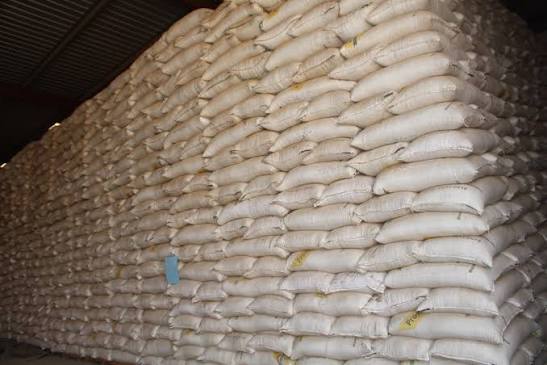
A reported agreement will see Baita Trading Limited secure up to 540,000 metric tonnes of white Grade A non-genetically modified organism (non-GMO) maize from Zambia. Zambia has a surplus after a bumper harvest of more than five million tonnes. Kenya, meanwhile, is scrambling to plug its own supply gap. Read that again. That is the brutal arithmetic of agricultural failure.
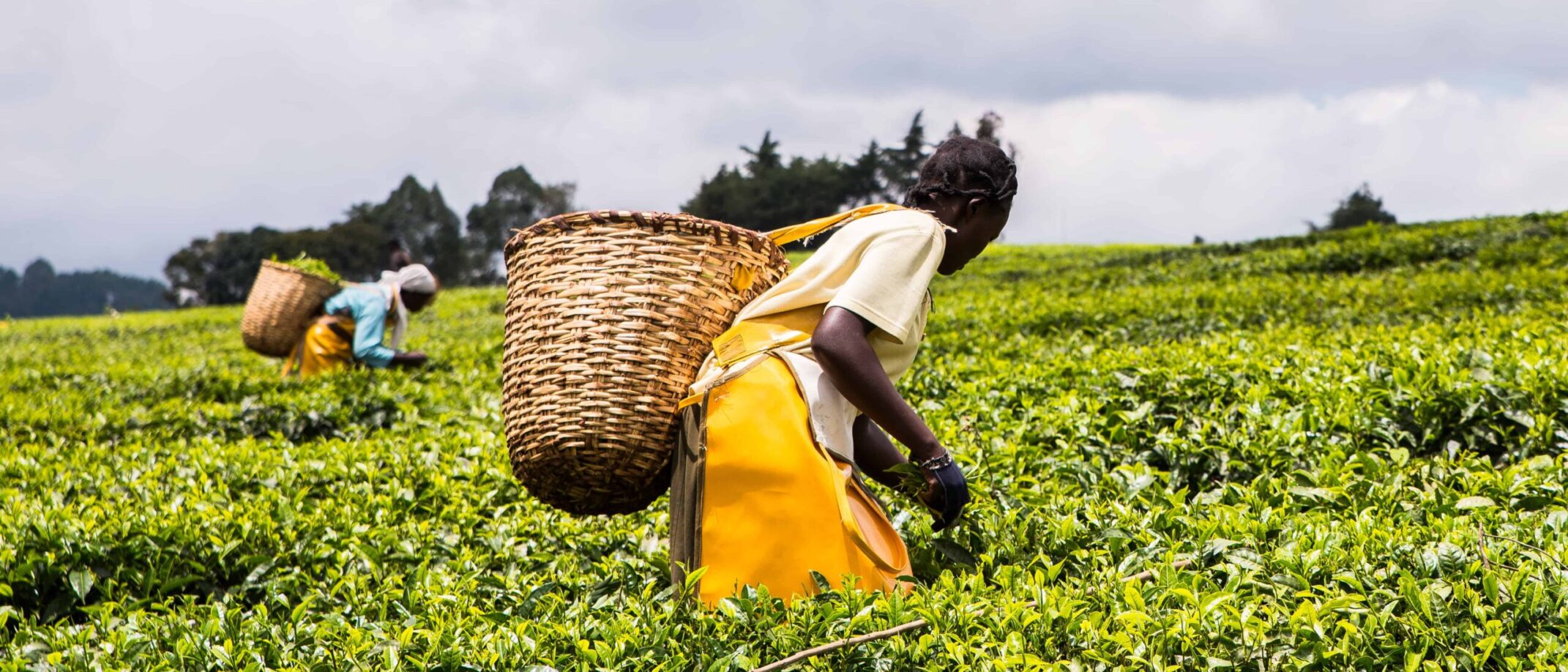
Before anyone blames the farmer, let us be clear: this is not the Kenyan farmer’s shame. The farmer did not design the climate. Nor did the farmer dismantle extension services, leave irrigation projects unfinished or create chaotic grain-market policies. The farmer also did not decide that food security should be managed reactively, season by season and election by election. The farmer plants. The state is supposed to plan.
The consequences are now visible in stomachs, markets and household budgets. The latest Integrated Food Security Phase Classification (IPC) assessment says about 2.7 million people in Kenya’s arid and semi-arid lands faced Crisis-level or worse acute food insecurity between July and October 2026. About 348,000 of them were in Emergency. The deterioration was linked to erratic rainfall, slow livelihood recovery, persistent vulnerabilities and insufficient assistance.
This is not an abstract statistic. It is a mother reducing meals and a child going to bed hungry. It is a pastoralist selling livestock at depressed prices simply to buy grain, and a family choosing between unga, school fees and medicine. Yet Kenya continues to behave as though food insecurity is an unfortunate weather bulletin rather than a national security issue.
ALSO READ:
KRA seizes under-declared smartphone consignment at Eldoret airport
The rain is not the only thing that failed. Our planning failed, our resilience failed and our agricultural politics failed. Most painfully, our political imagination failed.
Climate change is real. Science has repeatedly shown that rainfall variability is making rain-fed agriculture more vulnerable. Kenya’s late 2025 short rains were exceptionally poor. The World Health Organization (WHO) reported that many areas received only 30 to 60 per cent of normal rainfall, with parts of eastern Kenya experiencing their driest such season since 1981. Even so, drought should expose the weaknesses in a food system, not the absence of one.
Why are we still gambling national food security on the clouds? Why is irrigation still discussed as though it were a favour to farmers? Why are climate-resilient crops not available at scale when farmers need them? Why does the country repeatedly discover a maize shortage after the damage has already been done? And why should citizens learn about enormous grain contracts only after the headlines arrive?
The Zambia deal itself may provide legitimate commercial relief. Zambia has a large surplus and Kenya needs grain. Regional trade is not a crime. Indeed, functioning regional food markets can help countries absorb climatic shocks. However, emergency imports cannot become agricultural policy.
When hundreds of thousands of tonnes of strategic food are involved, transparency is not optional. The public deserves clear answers on volumes, pricing, shipment schedules, procurement arrangements and accountability. The reported contract has no single publicly disclosed fixed price. Available reporting says pricing will be determined shipment by shipment, according to prevailing regional market conditions. That makes scrutiny even more important, not less.
Maize is not just another commodity. In Kenya, maize is politics, household survival and the price of a plate of food. It is the difference between eating three times and eating once. So when the maize system shakes, the entire country shakes.
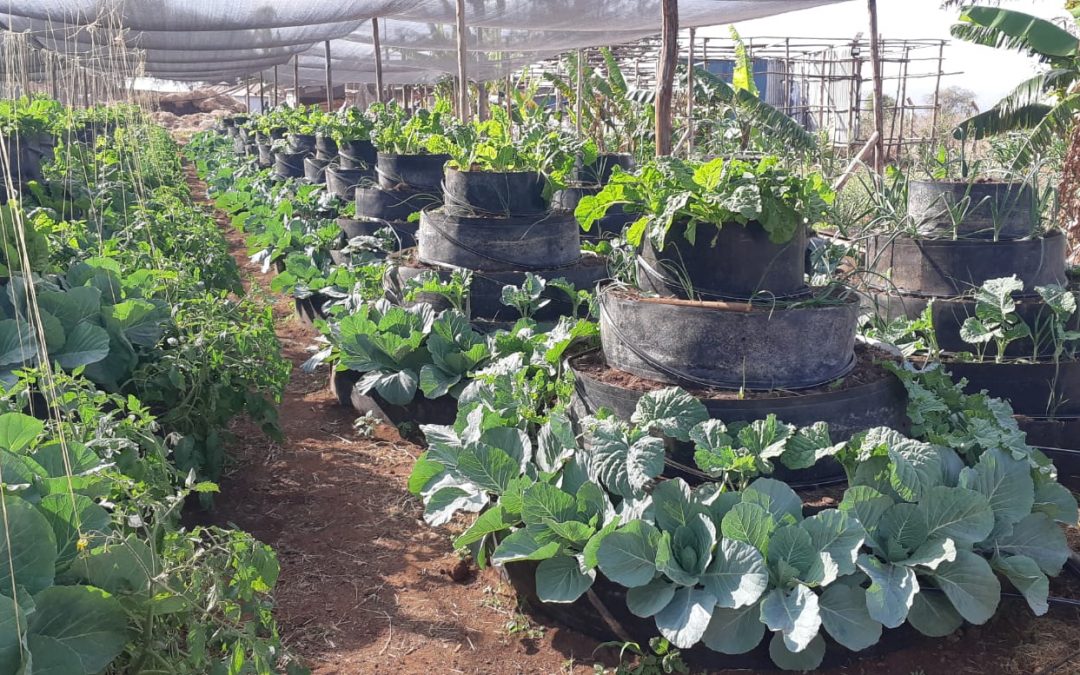
The solution is not another presidential speech promising to “transform agriculture”. We have had enough speeches. Kenya must build water infrastructure, invest seriously in irrigation and rebuild agricultural extension. It must also fund research and actually move its discoveries from laboratories to farms.
In addition, the country needs to develop drought- and heat-tolerant crops and expand storage and strategic reserves. Farmers need reliable market information and predictable rules. The national diet should also be diversified beyond maize. Above all, we must stop treating farmers as political scenery.
Recent scientific work in Kenya reinforces something policymakers should already understand. Rainfall patterns, planting dates and nitrogen management interact significantly to determine maize productivity. In other words, better agricultural outcomes require science, timing and management, not just waiting for rain.
YOU MAY WANT TO READ:
Kenya has the scientists, the farmers, the land and the markets. It also has regional neighbours willing to trade. What it desperately needs is consistent political will and competent execution.
There is something deeply wrong with an agricultural nation that can produce world-class flowers for export yet repeatedly asks another country for its staple grain. There is something obscene about debating billions in food imports while farmers struggle to afford inputs and millions remain food insecure. And there is something unforgivable about treating hunger as a seasonal inconvenience. A country that cannot reliably feed its people is not facing merely an agricultural problem. It is facing a governance problem.
The question before Kenya is therefore not whether Zambia can rescue us this season. The question is how many more seasons we will need rescuing. From milk to maize, from drought to imports, and from promises to shortages, the country cannot continue like this. Kenya does not need another food-security slogan. Kenya needs a food-security system.
By Yabesh Onwonga
Get more stories from our website: Sacco Review.
For comments and clarifications, write to: Saccoreview@
Kindly follow us via our social media pages on Facebook: Sacco Review Newspaper for timely updates
Stay ahead of the pack! Grab the latest Sacco Review newspaper!