- Kenya seeks private capital to help close the Ksh4 trillion MSME financing gap
- Government outlines credit guarantees and investment funds to unlock lending
- Digitalisation and market access form part of efforts to expand MSME opportunities
Kenya is seeking to unlock more private-sector financing for micro, small and medium enterprises (MSMEs) amid a Ksh4 trillion financing gap.
This gap threatens the growth of a sector that remains a major source of jobs, particularly for young people. The government says it is working to transform the MSME ecosystem by making small businesses more attractive to investors. It is also reducing the risks associated with lending to them.
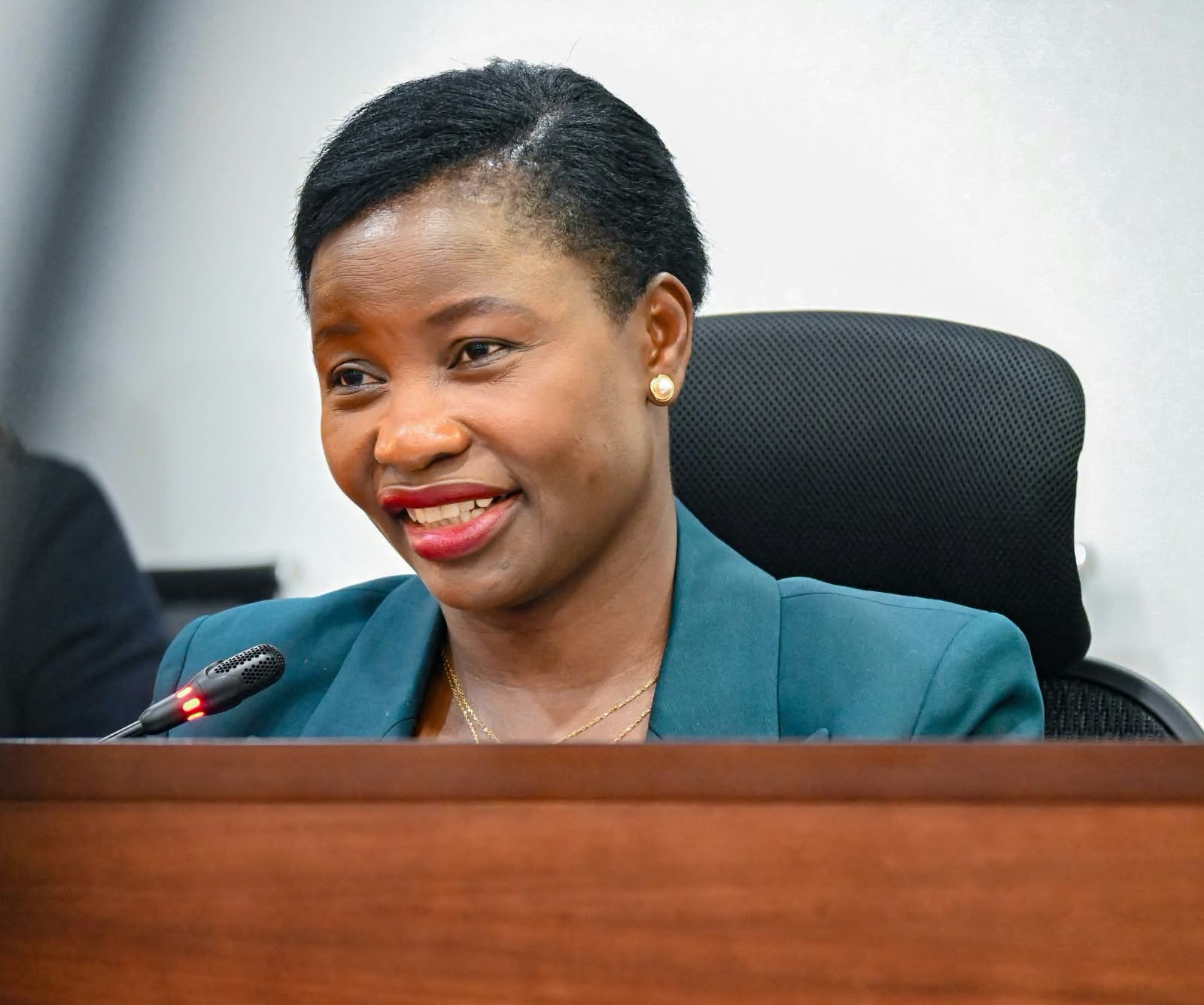
Speaking during the United Nations General Assembly (UNGA81) Roundtable on Unlocking Private Sector Financing for MSMEs to Accelerate the Sustainable Development Goals (SDGs), the government, represented by Principal Secretary Susan Mang’eni, outlined measures aimed at mobilising private capital for MSMEs at scale.
These measures include improving the ease of doing business and providing credit guarantees. They also cover establishing MSME clusters to boost productivity and connecting businesses to local, regional and international markets.
In addition, the Financial Inclusion Fund, popularly known as the Hustler Fund, has been highlighted as a key tool in expanding access to credit for previously underserved borrowers.
IN CASE YOU MISSED IT:
According to the government, the fund has created more than 29 million credit profiles over the last four years. This has helped make borrowers who were previously invisible to the formal credit market more visible.
Kenya has also established the Kenya Credit Guarantee Company, backed by a $30 million facility. It is meant to help reduce lending risks and encourage financial institutions to extend more credit to MSMEs.
Similarly, the government is currently using the $40 million Green Investment Fund to attract private investment into sustainable businesses and projects.
Furthermore, it has called for changes to conventional credit-risk assessment and lending frameworks. It argues that such reforms would enable more viable MSMEs to access financing.
The government is also identifying local content as an important component in expanding opportunities for small businesses. This would enable them to participate more actively in supply chains.
Meanwhile, digitalisation is being used to lower barriers facing MSMEs. More than 23,000 government services have been digitised, including applications for business licences.
The government is also rolling out 100,000 kilometres of fibre optic cable. This move is expected to improve broadband access and enable MSMEs to digitise their operations, access information and reach wider markets.
Kenya is now calling on global partners to co-invest in blended-finance and credit-guarantee programmes. It also wants them to support local businesses to penetrate regional and international markets.
Ultimately, the government says closing the financing gap will be critical in enabling MSMEs to expand, create more jobs and contribute more significantly to Kenya’s economic growth
By Lizzy Aluga
Get more stories from our website: Sacco Review.
For comments and clarifications, write to: Saccoreview@
Kindly follow us via our social media pages on Facebook: Sacco Review Newspaper for timely updates
Stay ahead of the pack! Grab the latest Sacco Review newspaper!