
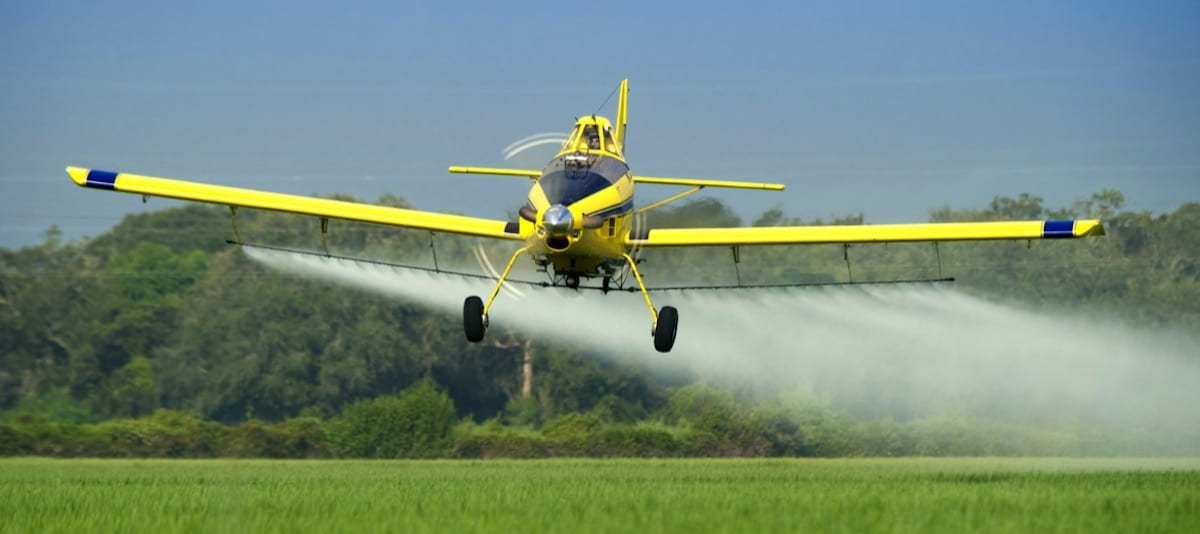
- Nandi Hills parents link learners’ respiratory illnesses to aerial fertiliser spraying.
- They want health and environmental authorities to investigate the claims.
- Parents are calling for safer spraying practices near schools and homes.
A group of concerned parents in Nandi Hills Town has raised alarm over what they claim is an increase in respiratory infections among learners following aerial fertiliser application by multinational tea companies operating in the area.
Parents link illness to spraying schedule
The parents say their children have repeatedly experienced health challenges whenever light aircraft are used to apply fertiliser over tea plantations.
According to the concerned parents, learners and other residents are exposed to what they describe as fertiliser fumes left behind by the aircraft during aerial application.
“We have always had challenges with our children’s health every time the aerial fertiliser application is done,” the parents said, expressing concern over the possible effects of the practice on learners.
The parents claim that respiratory complaints become particularly noticeable around periods when the aircraft are deployed to apply fertiliser over tea estates.
Calls for government intervention
They have implored the Ministry of Health, Ministry of Education and the National Environment Management Authority (NEMA) to intervene and investigate what they describe as rising incidences of respiratory infections allegedly associated with fertiliser fumes.
READ ALSO:
What stands in the way for self regulation in the cooperative sector?
The parents want the authorities to establish whether there is any connection between the reported illnesses and the chemicals being applied through aerial operations.
They have also called for investigations into the type of fertiliser being used, the aerial application methods and the potential exposure of learners in schools located near tea plantations.
Some firms already use manual application
The concerned parents further claimed that some other multinational tea companies have opted for manual or hand application of fertiliser, which they say reduces the possibility of fertiliser fumes being dispersed into surrounding communities.
They questioned why aerial application should continue in areas where schools and residential settlements are located, particularly if alternative methods of fertiliser application are available.
The parents are calling for greater caution and transparency from tea companies undertaking aerial fertiliser application, including disclosure of the products being used and measures put in place to protect nearby schools and residents.
The concerns have also prompted calls for an independent assessment involving public health officials, education authorities, environmental regulators and the companies involved in aerial agricultural operations.
However, the parents’ claims have not independently established that aerial fertiliser application is the cause of the reported respiratory infections.
Respiratory illnesses can have several causes, and medical and environmental investigations would be necessary to determine whether there is a direct link between fertiliser application and the reported cases.
The parents say they will continue pressing the relevant authorities to intervene, arguing that the health and safety of learners should take precedence whenever agricultural activities are conducted near learning institutions.
They are now awaiting a response from the Ministry of Health, Ministry of Education, NEMA and the affected tea companies on the concerns raised by the community.
By our reporter
Get more stories from our website: Sacco Review.
For comments and clarifications, write to: Saccoreview@
Kindly follow us via our social media pages on Facebook: Sacco Review Newspaper for timely updates
Stay ahead of the pack! Grab the latest Sacco Review newspaper!