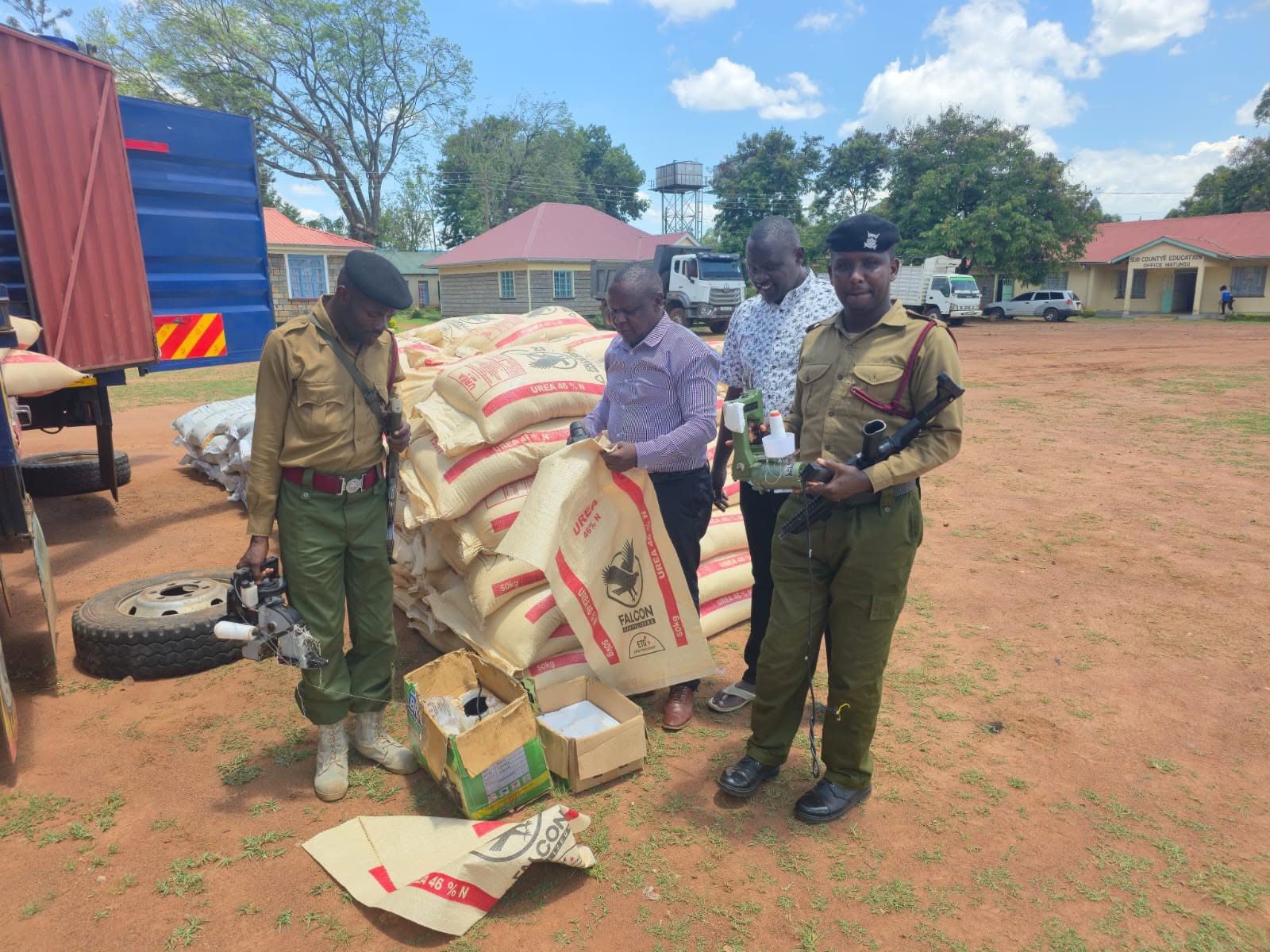
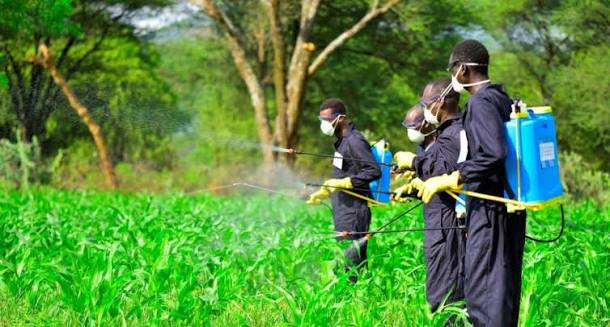
- PCPB warns agrovets against selling illegal, counterfeit or unregistered pesticides.
- 51 cases are under investigation, with four convictions recorded last financial year.
- Illegal pesticides pose risks to people, livestock, wildlife and the environment.
Agrovet operators found selling unregistered, counterfeit or prohibited pesticides risk arrest and prosecution, the Pest Control Products Board (PCPB) has warned.
The Board’s General Manager for Compliance and Enforcement, Lawrence Kalawa, said traders should establish whether the products they stock have been approved for use in Kenya before putting them on sale.
He urged dealers to consult the PCPB register and discontinue any products that do not appear on the list.
“These illegal pesticides are not authorised, and this is a message to those who think otherwise,” Kalawa said.
This warning comes as the regulator steps up enforcement against illegal agricultural and household pesticides, some of which officials say enter the country through porous borders.
PCPB has cautioned that chemicals sold outside the regulatory system could contain substances that are dangerous to people, livestock and wildlife, as well as the environment.
READ ALSO:
Authorities are currently pursuing 51 cases involving illegal pesticides. Four cases resulted in convictions during the last financial year, with those convicted receiving fines ranging from Ksh 100,000 to Ksh 750,000.
Offences under investigation include dealing in counterfeit or unregistered pesticides, keeping expired products and selling chemicals containing prohibited active ingredients. Traders found culpable may also have their stock confiscated, businesses closed or operating licences revoked.
This renewed focus follows concerns over the impact of pesticide misuse on wildlife, including the deaths of 15 elephants in Amboseli. Post-mortem examinations reportedly linked the deaths to cyanide poisoning, raising questions about possible contamination involving crops.
That incident has also drawn attention to the potential food-safety consequences of using illegal chemicals. Pesticide residues on crops can exceed approved Maximum Residue Levels, exposing consumers to health risks.
PCPB has made efforts to reduce illegal pesticide imports, with strengthened controls at the country’s borders reportedly cutting the entry of such products by up to 90 per cent.
Despite the progress, officials continue to face the challenge of illegal products that have already entered the domestic market and are being sold through agrovet outlets.
Kalawa urged dealers to obtain the necessary authorisation, confirm that pesticides are registered and check for the required safety markings before selling them.
Consumers and farmers have also been encouraged to report suspicious agrovet businesses and pesticides that are unlabelled or appear to be illegal to the relevant authorities.
By Jonathan Mwinzi
Get more stories from our website: Sacco Review.
For comments and clarifications, write to: Saccoreview@
Kindly follow us via our social media pages on Facebook: Sacco Review Newspaper for timely updates
Stay ahead of the pack! Grab the latest Sacco Review newspaper!