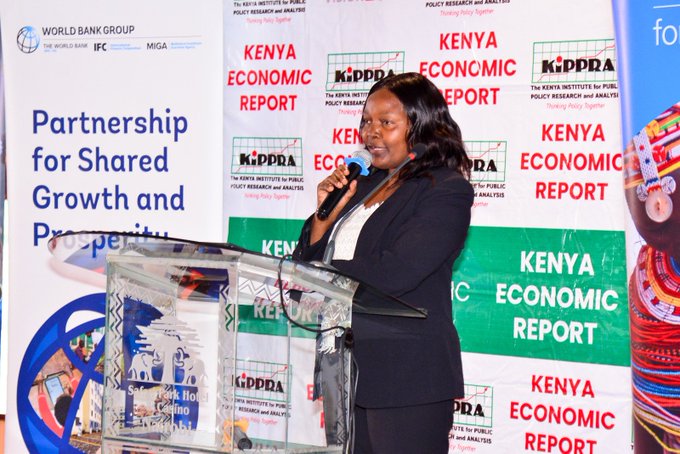
Kenya’s tax system is narrowing income inequality but simultaneously pushing more households into poverty, a new analysis by the Kenya Institute for Public Policy Research and Analysis (KIPPRA) has revealed. The findings paint a picture of a tax‑and‑spend framework that appears progressive on paper yet leaves many Kenyans worse off in practice.
According to the Fiscal Incidence Analysis Report, Kenya’s tax and public spending structure reduced inequality by 4.6 Gini points in 2022, largely due to investments in health and education. However, the report warns that this redistribution masks a troubling reality: the overall fiscal system has “limited, and even adverse, impact on poverty.”
KIPPRA notes that both direct and indirect taxes are eroding household incomes faster than government transfers can offset, resulting in a net increase in poverty by 2.7 percentage points during the review year. The report describes the system as one that “gives with one hand and takes more with the other.”
Urban households are disproportionately affected. While rural and ASAL regions remain poorer, the poverty‑increasing effects of taxation are more pronounced in urban and non‑ASAL counties, where residents contribute more through consumption taxes and social insurance but receive comparatively less support.
ALSO READ:
KRA scales up tax education to build early compliance culture among youth
The report also shows Kenya lagging behind peer countries. The inequality reduction achieved through fiscal policy is lower than in most comparable economies, and unlike many nations that reduce both inequality and poverty, Kenya’s fiscal measures increase poverty even as they narrow income gaps.
Gender disparities further highlight the system’s shortcomings. Although fiscal policy reduces inequality between male‑ and female‑headed households, poverty remains higher among households led by women or where women are the primary earners.
Child welfare indicators are even more alarming as one in three children experiences poverty across multiple dimensions, and nearly a third of monetarily poor children face three or more deprivations simultaneously.
The report shows that fiscal measures raise child poverty from 41.8 per cent to 44.7 per cent, even as they reduce child inequality by 5 Gini points.
By Masaki Enock
Get more stories from our website: Sacco Review.
For comments and clarifications, write to: Saccoreview@
Kindly follow us via our social media pages on Facebook: Sacco Review Newspaper for timely updates
Stay ahead of the pack! Grab the latest Sacco Review newspaper!