- Government pushes smaller Saccos towards consolidation as reforms gather pace
- New safeguards could change how members’ savings are protected
- KUSCCO’s collapse highlights wider risks facing the Sacco sector
Kenya’s Savings and Credit Cooperative Society (Sacco) sector is heading for consolidation, with the government encouraging smaller societies to merge and a new law expected to cushion members against losing their savings.
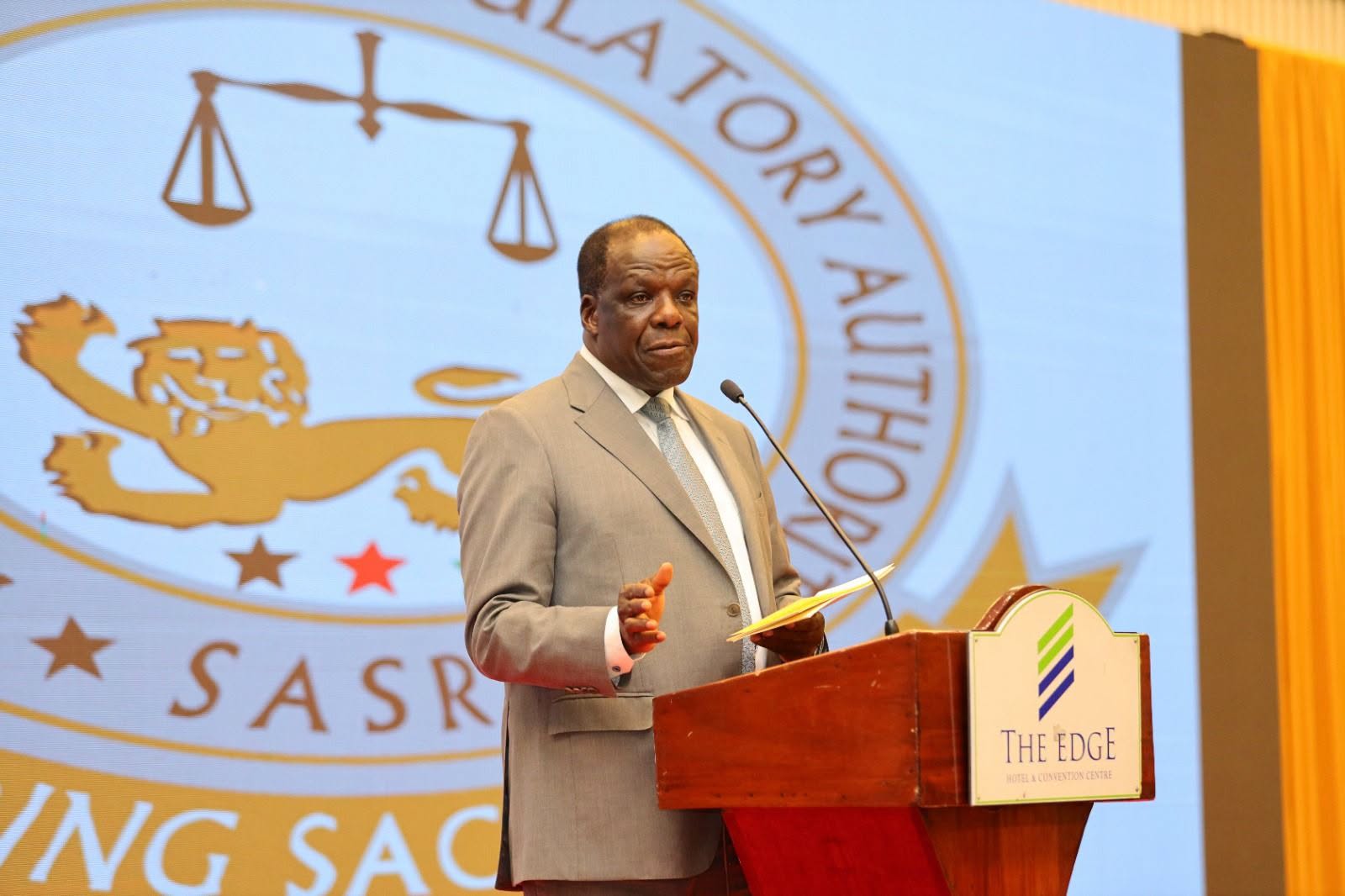
Cooperatives and Micro, Small and Medium Enterprises (MSMEs) Development Cabinet Secretary Wycliffe Oparanya said the sector’s prospects rest on expansion as well as reform. His ministry is already drafting the regulations that will guide the Cooperative Bill of 2025 once Parliament passes it.
The ministry’s figures show a heavily lopsided industry. Regulated Saccos hold more than 90 per cent of all assets, while about 13,000 unregulated societies share the remaining 10 per cent. That imbalance is partly why officials want smaller players to combine.
The proposed law would bring a deposit guarantee fund into operation. It would also create a central liquidity facility, a shared services arm and a stabilisation fund, all meant to protect what members have saved. Oparanya said the guarantee scheme must be carefully built to earn trust.
“The deposit guarantee fund will protect eligible deposits in the unlikely event of the SACCO failure and will strengthen public confidence. It must have clear governance, sustainable funding, transparent eligible rules, and an efficient claims process,” Oparanya said.
To make the safety net credible, the ministry has brought in the Kenya Deposit Insurance Corporation for technical guidance.
READ ALSO:
Officials listed several weaknesses behind recent failures. These include weak governance, the absence of prudential investment guidelines and exposure to technology risks. Another major drain is the failure by employers, especially government institutions, to remit members’ deductions on time. This leaves societies short of the cash they need to lend and to pay out withdrawals.
The ministry also wants lawmakers to settle an unresolved legal question over whether cooperatives are public or private bodies. In practice, successful Saccos are treated as private, yet the state ends up stepping in once a society runs into trouble.
State Department for Cooperatives Principal Secretary (PS) Patrick Kilemi said that position leaves too many questions open.
“Whose property is it? Is it the leader’s property or is it the members’ property? And is it possible for government to sit aside and ignore what is happening to 7.8 million members who are trusting the circle movement to keep their savings? Again, the question is at what point does the government come and ask we need to know what is happening?,” Kilemi said.
The state also pointed to the Kenya Union of Savings and Credit Cooperatives (KUSCCO) as a warning. Efforts to revive the union did not succeed because of deep insolvency, and members eventually voted to liquidate it.
Oparanya added that Saccos have collectively lost Ksh7.67 billion that can no longer be recovered. He urged societies to act quickly once they spot trouble.
“Identified risks require firm action. These include governance failures, liquidity pressures, fraud, non-remittance of members’ deduction, and weaknesses in financial reporting. Every shilling entrusted to a circle must be managed honestly and prudently,” Oparanya said.
By Benedict Aoya
Get more stories from our website: Sacco Review.
For comments and clarifications, write to: Saccoreview@
Kindly follow us via our social media pages on Facebook: Sacco Review Newspaper for timely updates
Stay ahead of the pack! Grab the latest Sacco Review newspaper!