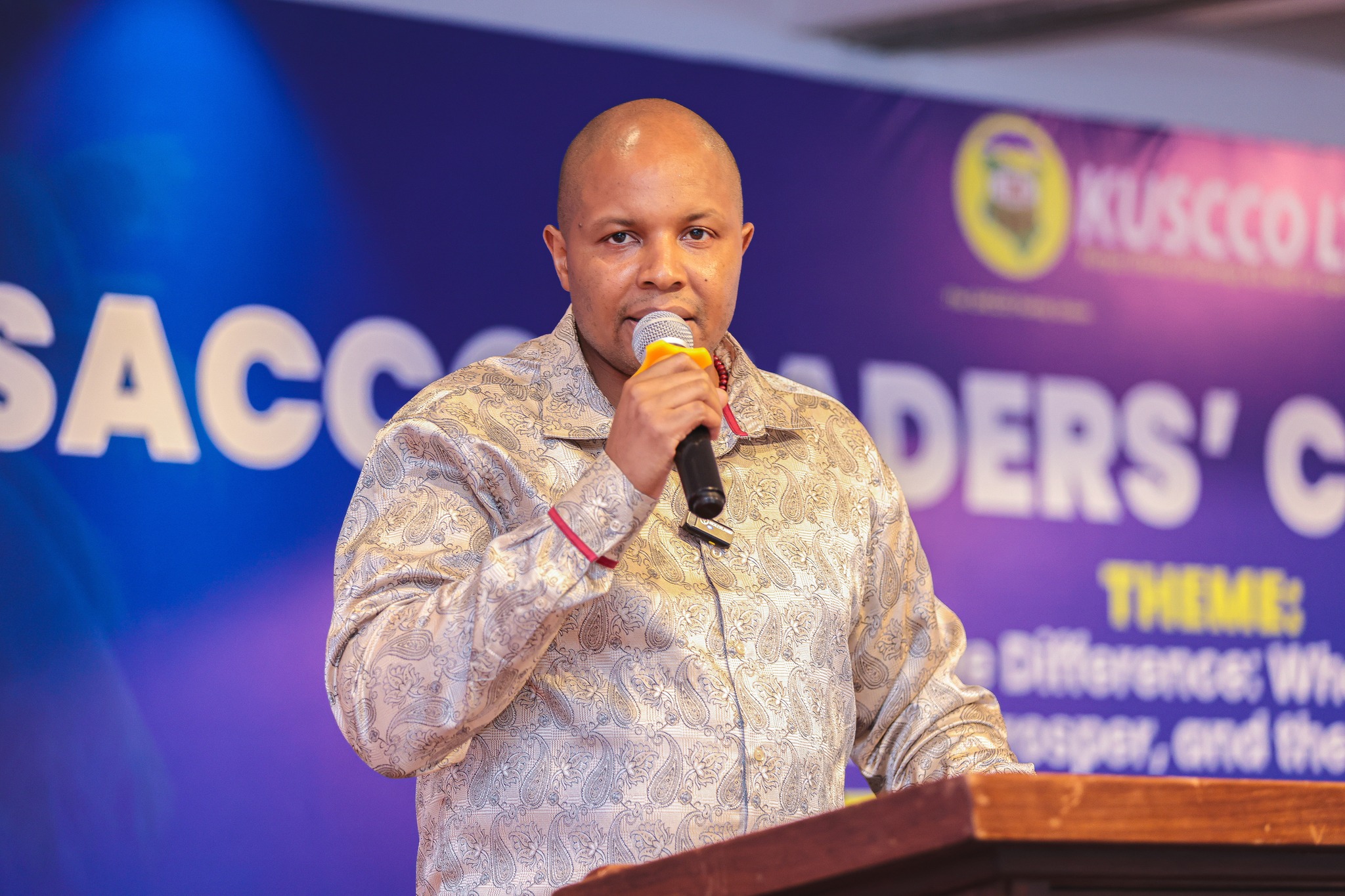
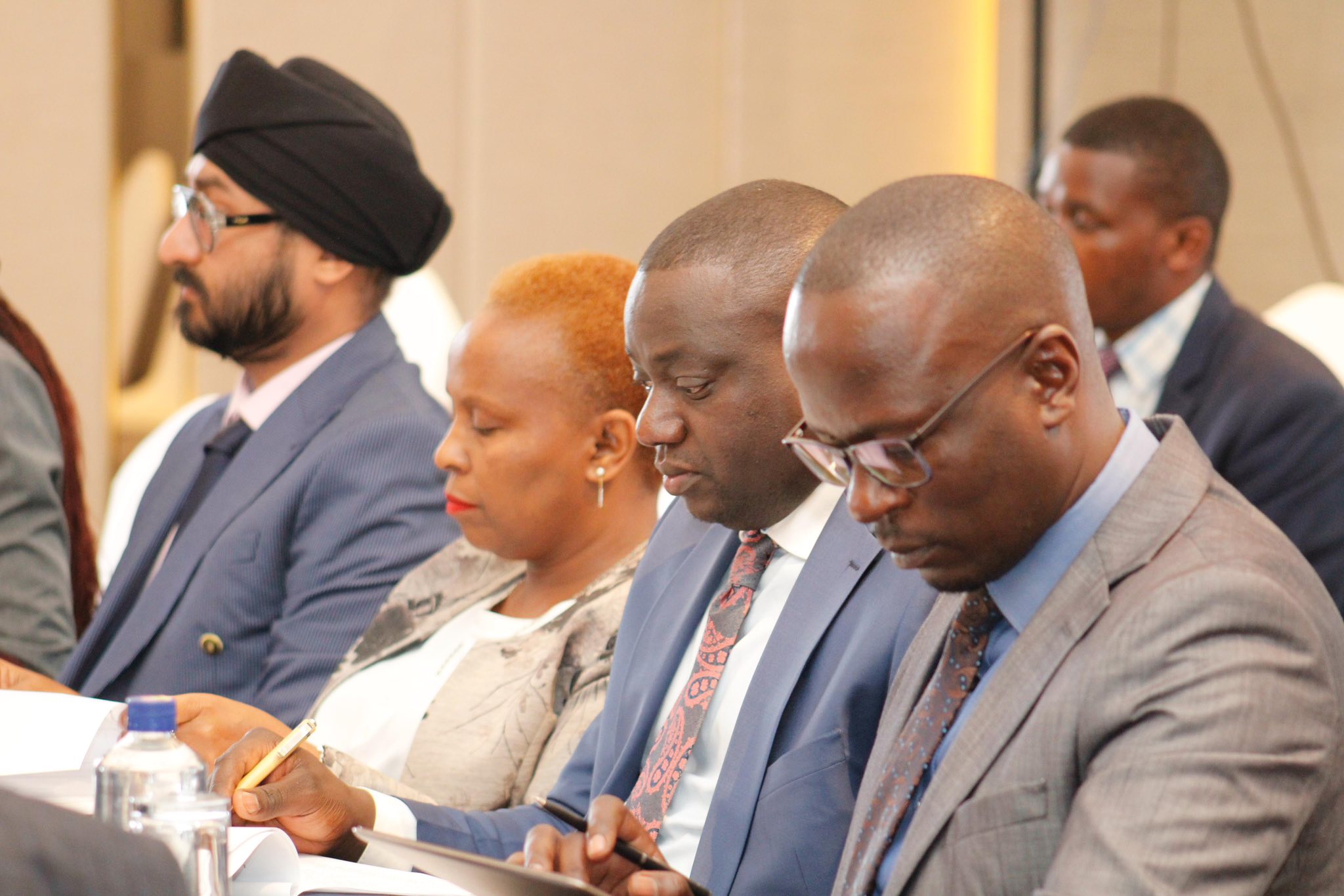
The Institute of Certified Public Accountants of Kenya (ICPAK) has submitted its views to Parliament on the proposed partial divestiture of the government’s stake in Safaricom PLC, outlining both the strengths and weaknesses of the plan and drawing comparisons with international practices, including India.
In its submission, ICPAK noted that the proposed divestiture could provide immediate fiscal relief and offer non-debt financing for infrastructure projects. The institute said the move could also bolster foreign exchange reserves since the transaction would be settled in US dollars, while avoiding a large share sale at the Nairobi Securities Exchange (NSE) that could depress Safaricom’s share price.
ICPAK further argued that increased ownership by Vodacom could facilitate access to global expertise and technology transfer.
However, the institute raised concerns over value for money, stating that the proposal lacks a clear explanation of how the Ksh34 per share valuation was arrived at. ICPAK warned that monetising future dividends could deprive future administrations of a stable revenue stream, resulting in long-term revenue losses.
ALSO READ:
Co-operatives cautioned against investing members’ funds in unregulated firms
The institute also cautioned that increasing Vodafone’s stake to 55 per cent granting it a controlling interest could reduce the government’s leverage in strategic decision-making. Additionally, ICPAK noted that a private sale, as opposed to a public offering, may not effectively deepen capital markets or expand local investor participation.
“There is a need to provide a transparent explanation of the pricing methodology and to link the proposed premium to Safaricom’s expected future earnings, rather than relying solely on historical trading data,” said ICPAK Chair, CPA Prof. Elizabeth Kalunda Muvui.
Drawing lessons from India’s disinvestment model, ICPAK recommended that proceeds from the divestiture should not be directed solely toward infrastructure projects.
Instead, the institute proposed allocating a portion of the funds to social sector programmes such as education and healthcare.
ICPAK urged the establishment of stronger employment safeguards beyond the proposed three-year protection period. The institute also called for enhanced board oversight through proportional representation on key committees, including audit, risk, and data privacy.
By Obegi Malack
Get more stories from our website: Sacco Review.
For comments and clarifications, write to: Saccoreview@
Kindly follow us via our social media pages on Facebook: Sacco Review Newspaper for timely updates
Stay ahead of the pack! Grab the latest Sacco Review newspaper!