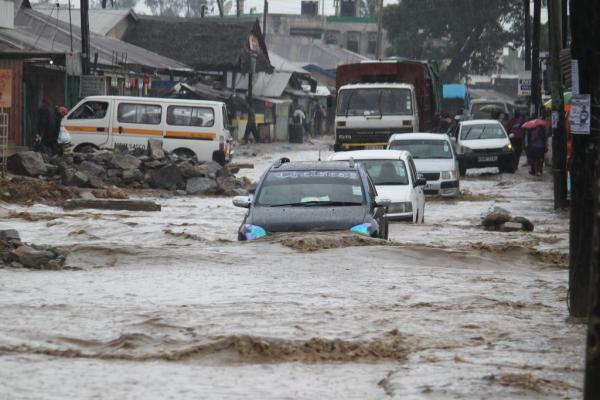
- Kindiki has sounded an early warning over El Nino rains expected from October through January.
- Government agencies and counties are being mobilised to tackle flooding, landslides, road damage and other risks.
- Early preparations could help protect schools, farmers, communities and public resources from weather related disruptions.
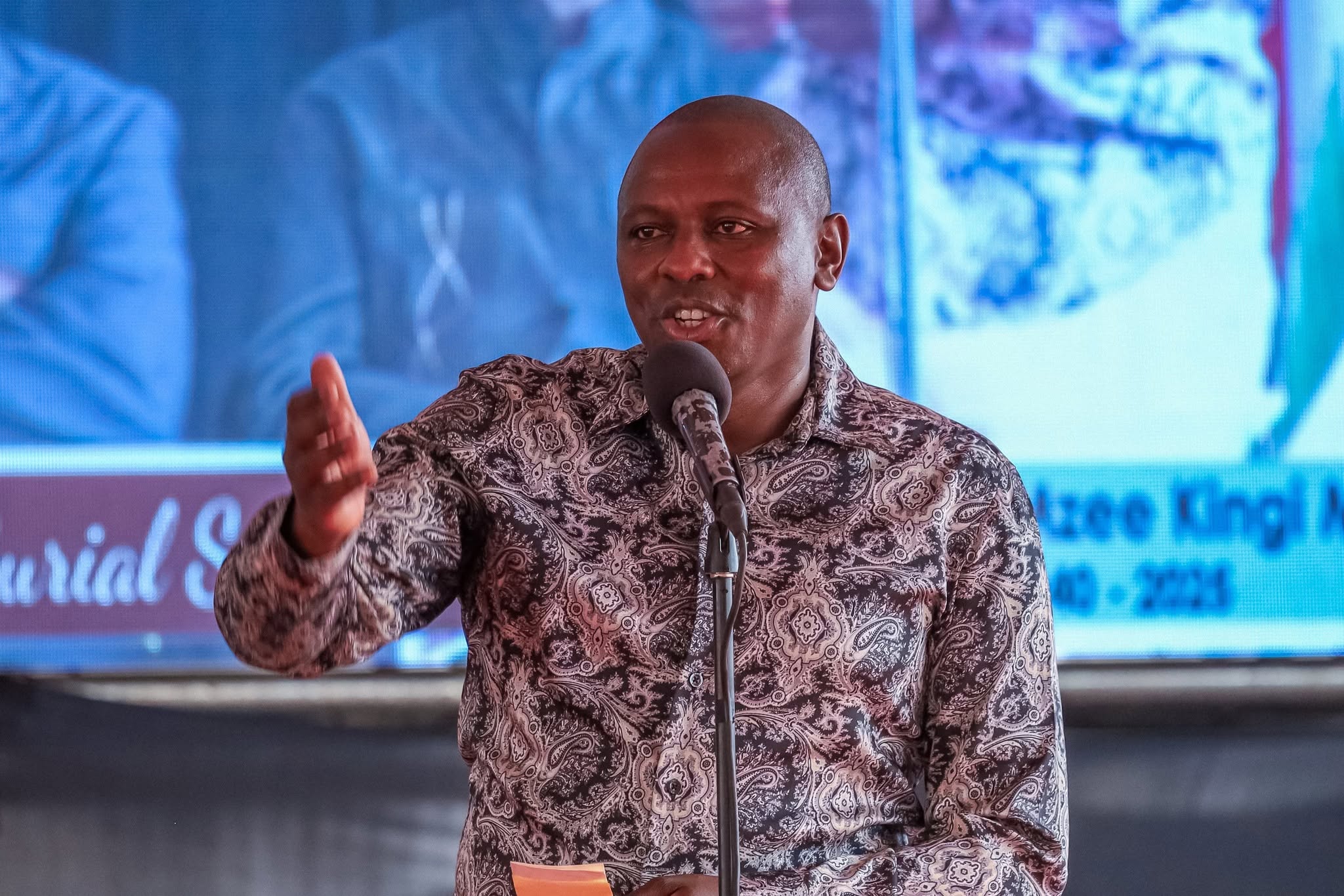
Deputy President Prof. Kithure Kindiki has issued an early warning to the nation about the impending El Nino rains projected to start in October this year and extend until January next year.
Speaking after chairing the Ad Hoc Cabinet Committee on El Nino Preparedness and Response at his Karen residence, Prof. Kindiki said the government is aware that depressed rains in cereal-growing regions will lead to lower harvests in the coming weeks, and that the enhanced rains will follow.
He assured Kenyans that there is no cause for panic because all ministries, departments, agencies and county governments have been mobilized to ensure the country is not caught unawares.
The measures being put in place include unclogging drainage systems in major towns, reinforcing roads and bridges prone to floods, pre-positioning emergency equipment, medical supplies and relief food, identifying safe evacuation centres in landslide and flood-prone areas, and advising farmers on what crops to plant to maximize the October to December season.
READ ALSO:
The National Disaster Risk Management Act, 2026, which came into effect recently, will guide this coordinated response.
Prof. Kindiki’s proactive approach is significant for the education sector. Every year, heavy rains disrupt learning, destroy classrooms and cut off schools.
Early preparedness means that the Ministry of Education, county governments and school managers can now plan ahead to protect school property, adjust the school calendar where necessary and ensure safety of children.
For teachers, this is an opportunity to teach learners about climate change and disaster preparedness. For economists and policy makers, it proves that investing in climate action and disaster preparedness saves lives and public resources.
By Enock Okong’o
Get more stories from our website: Sacco Review.
For comments and clarifications, write to: Saccoreview@
Kindly follow us via our social media pages on Facebook: Sacco Review Newspaper for timely updates
Stay ahead of the pack! Grab the latest Sacco Review newspaper!