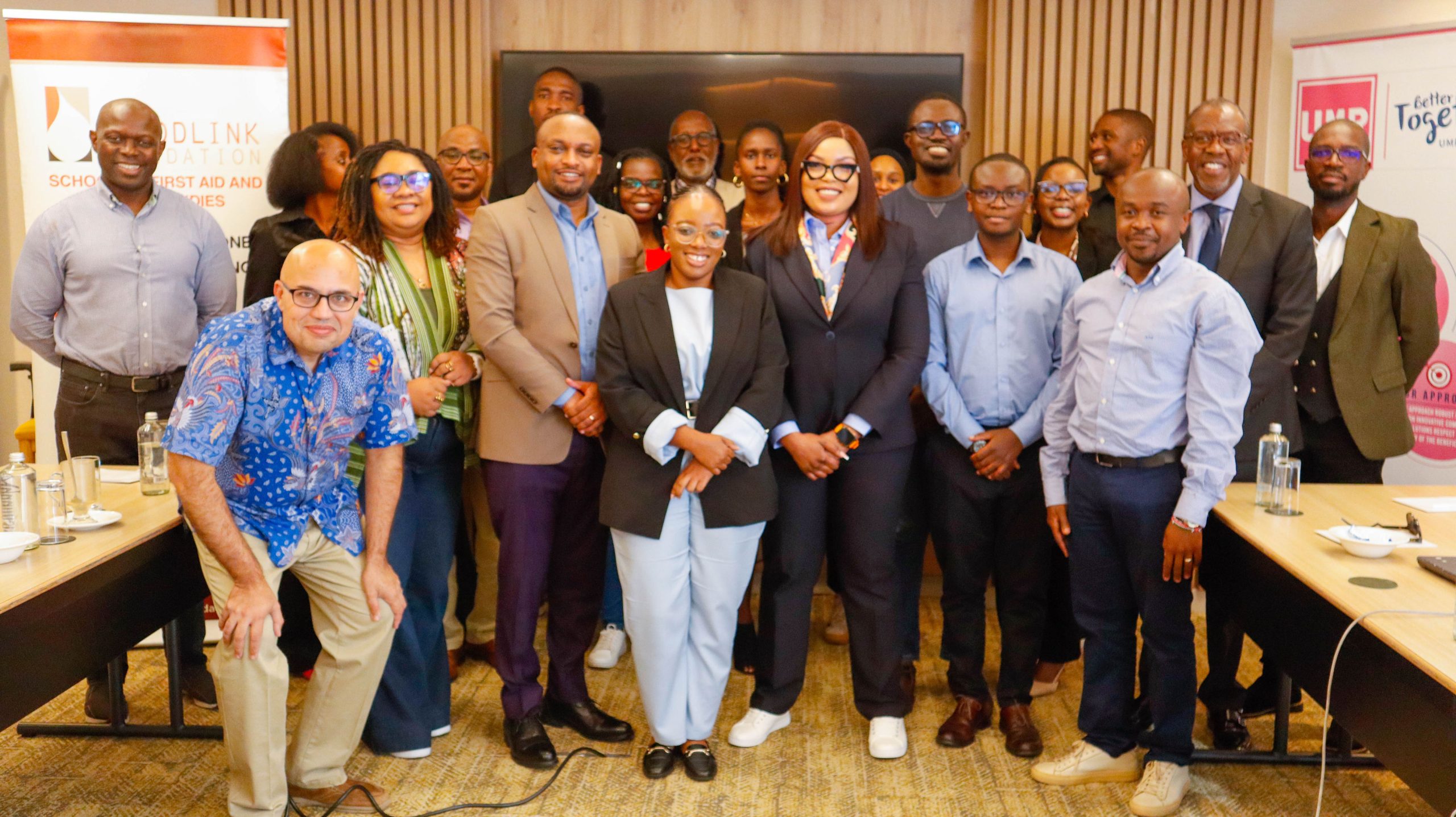
An elite fundraising course aimed at reshaping how African nonprofits mobilize resources has officially commenced in Nairobi, bringing together participants from across the continent.
The three-day program dubbed as ‘Fundraising for African Nonprofits’, has attracted leaders of civil society organizations, fundraising professionals, grant makers, and policy experts to respond to a pressing challenge confronting Africa’s nonprofit sector: reduced foreign aid, shifting donor priorities, and the urgent need for organizations to develop homegrown and sustainable fundraising strategies.
While the sector plays a critical role in advancing health, education, livelihoods, climate resilience, and other humanitarian and development interventions many organizations remain highly dependent on external grants.
This training has been designed to address that gap by equipping participants with the knowledge, tools, and practical models needed to build long-term financial resilience.
The initiative is convened by Impact Africa Consulting Limited (IACL) in collaboration with the Lilly Family School of Philanthropy at Indiana University, Bloodlink Foundation, the Centre on African Philanthropy and Social Investment (CAPSI) at Wits Business School, and United Muslim Relief (UMR).
ALSO READ:
Nandi’s dairy revolution gains momentum as modern processing plant launched
Dr. Shariq Siddiqui, Director of the Muslim Philanthropy Initiative at Indiana University and Lead Trainer, remarked at the opening session, “This program is about positioning African nonprofits for the future. It combines global evidence with regional realities to help organizations move beyond short-term fundraising and design models that are data-driven, community-rooted, and sustainable.”
His sentiments were echoed by Dr. Edward Mungai, Lead Consultant at IACL who highlighted the significance of the training. “Our goal is not only to transfer skills but also to build institutional resilience. African nonprofits must stop chasing grants and instead craft fundraising approaches that support long-term growth and impact,” he said.
Across the continent, nonprofits are navigating a shifting fundraising landscape marked by declining foreign aid, heightened competition for grants, and donor expectations for measurable impact.
Traditional reliance on international partners is proving less sustainable, pushing organizations to explore alternative revenue streams, local philanthropy, and strategic partnerships with the private sector.
The course responds directly to these dynamics by equipping participants with frameworks to diversify funding portfolios, strengthen donor relationships, and design fundraising approaches that align with both community needs and global best practice.
Oscar Kimaro from Private Agricultural Sector Support Trust, Tanzania, emphasized the stiff competition for donor funding. “Competition for grants is incredibly high, and many strong initiatives are left unfunded. This program will show us practical ways to position our organizations for success and improve our chances of securing the resources we need to deliver lasting impact,” he said.
ALSO READ:
EACC hands over report on implementation of fertilizer subsidy to ministry
The course is structured around interactive sessions, simulations, and case studies that mirror the realities African nonprofits face daily.
It offers a pragmatic approach that moves beyond theory by blending international best practice with local context, the program.
Participants are engaging with tools on donor mapping, leadership alignment, and resource diversification, ensuring that the lessons translate directly into institutional strategies that can withstand the volatility of the funding environment.
Joseph Wang’endo, Senior Technical Officer at Africa CDC and Founder of Bloodlink Foundation, emphasized the structural gap being addressed. “African nonprofits are often expected to deliver world-class results with limited resources. By providing practical systems and frameworks for fundraising, this initiative gives them a fair chance to build reliable support.”
The realities Wang’endo highlighted are not unique to one country. Across Africa, organizations are grappling with the dual challenge of shrinking donor budgets and rising social demands.
Local nonprofits are increasingly expected to fill service delivery gaps left by governments while also meeting rigorous reporting and compliance standards set by international funders. These pressures have instigated the urgency of equipping institutions with adaptable fundraising models that draw on both domestic and global opportunities.
ALSO READ:
SASRA cautions Kenyans on rogue SACCOs, sets 2026 renewal deadline
Daniel Oluwasola, a participant from One Life Initiative in Nigeria, spotlighted the relevance of the program to their fundraising efforts. “This training is giving us the skills and strategies to compete for grants more effectively and secure the resources we need to keep our programs alive and growing,”
The course will conclude on Thursday, August 28, with a fundraising conference featuring panel discussions, case studies, and regional insights from leading experts led by Dr. Edward Mungai.
At the close of the program, participants will receive a Professional Development Certificate from Indiana University, 13 CFRE education points, and access to proprietary fundraising tools, donor behavior reports, and customizable templates.
By the end of the week, African nonprofits are expected to leave Nairobi better positioned to lead their own fundraising agendas and chart new pathways for sustainable growth.
By John Kamau
Get more stories from our website: Sacco Review.
For comments and clarifications, write to: Saccoreview@
Kindly follow us via our social media pages on Facebook: Sacco Review Newspaper for timely updates
Stay ahead of the pack! Grab the latest Sacco Review newspaper!