
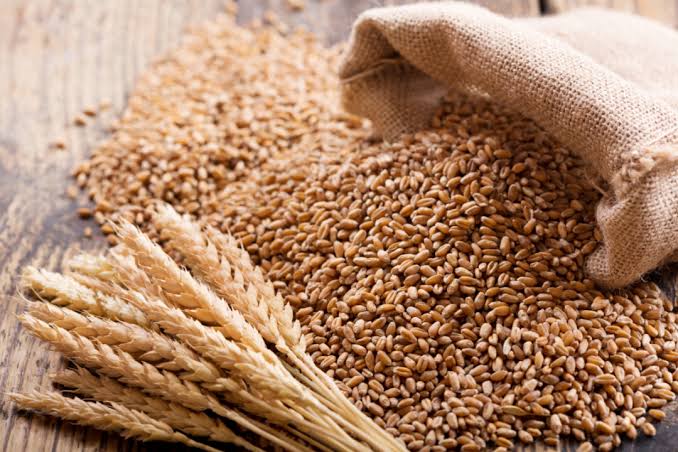
- Government raised the 2026 wheat price to Ksh5,100 per 90 kilogram bag.
- More than 2,000 farmers will benefit from the higher producer price.
- Wheat harvest is expected to decline despite new measures to boost production.
The government has raised the wheat producer price to Ksh5,100 per 90 kilogram bag for the 2026 season, up from Ksh4,750 last year, to boost farmer earnings and encourage local production.
Agriculture and Livestock Development Cabinet Secretary Mutahi Kagwe said the revised price follows consultations coordinated by the Agriculture and Food Authority (AFA), bringing together the Cereal Growers Association, wheat farmers and cereal millers.
The new rate applies at designated aggregation centres, where the government has already begun purchasing locally produced wheat ahead of any imports.
More than 2,000 wheat farmers from Narok, Nakuru, Meru, Laikipia, Nyandarua and Uasin Gishu counties are expected to benefit. According to the ministry, the pricing agreement aims to raise farmers’ incomes while keeping wheat supply stable for millers and consumers, and ensuring wheat products remain affordable.
READ ALSO:
Agriculture drives Kenya’s economy as counties report record farm output
This year’s harvest is projected at about one million 90 kilogram bags, down from approximately 1.7 million bags recorded last season. The ministry blamed the lower output on adverse weather conditions, along with a shift by some farmers to barley after it fetched about Ksh5,300 per bag last season.
However, barley prices have since fallen to between Ksh4,200 and Ksh4,500 per bag. Officials expect this drop to draw more farmers back to wheat cultivation, helping close the production gap.
To support increased local production, the ministry said it is rolling out several interventions. These include expanding fertiliser subsidies for wheat farmers, promoting high yielding and climate resilient seed varieties, increasing mechanisation, and expanding commercial wheat farming.
Other measures include strengthening the control of quelea birds, discouraging excessive subdivision of agricultural land, and promoting long term land leasing to support commercial wheat production.
Although wheat production is expected to grow by about five per cent this season, the ministry noted the increase falls short of an earlier 10 per cent projection, again citing the effects of adverse weather.
By Jonathan Mwinzi
Get more stories from our website: Sacco Review.
For comments and clarifications, write to: Saccoreview@
Kindly follow us via our social media pages on Facebook: Sacco Review Newspaper for timely updates
Stay ahead of the pack! Grab the latest Sacco Review newspaper!