- Kakamega’s agriculture programmes recorded strong spending but faced implementation challenges
- Senate lawmakers questioned procurement gaps, project delays and value for money
- The county outlined measures to improve planning, funding and project monitoring
The Senate Agriculture Committee has raised concerns over delays, procurement gaps and weak project implementation in Kakamega County’s agriculture sector, despite the county recording high absorption rates for several agricultural programmes.
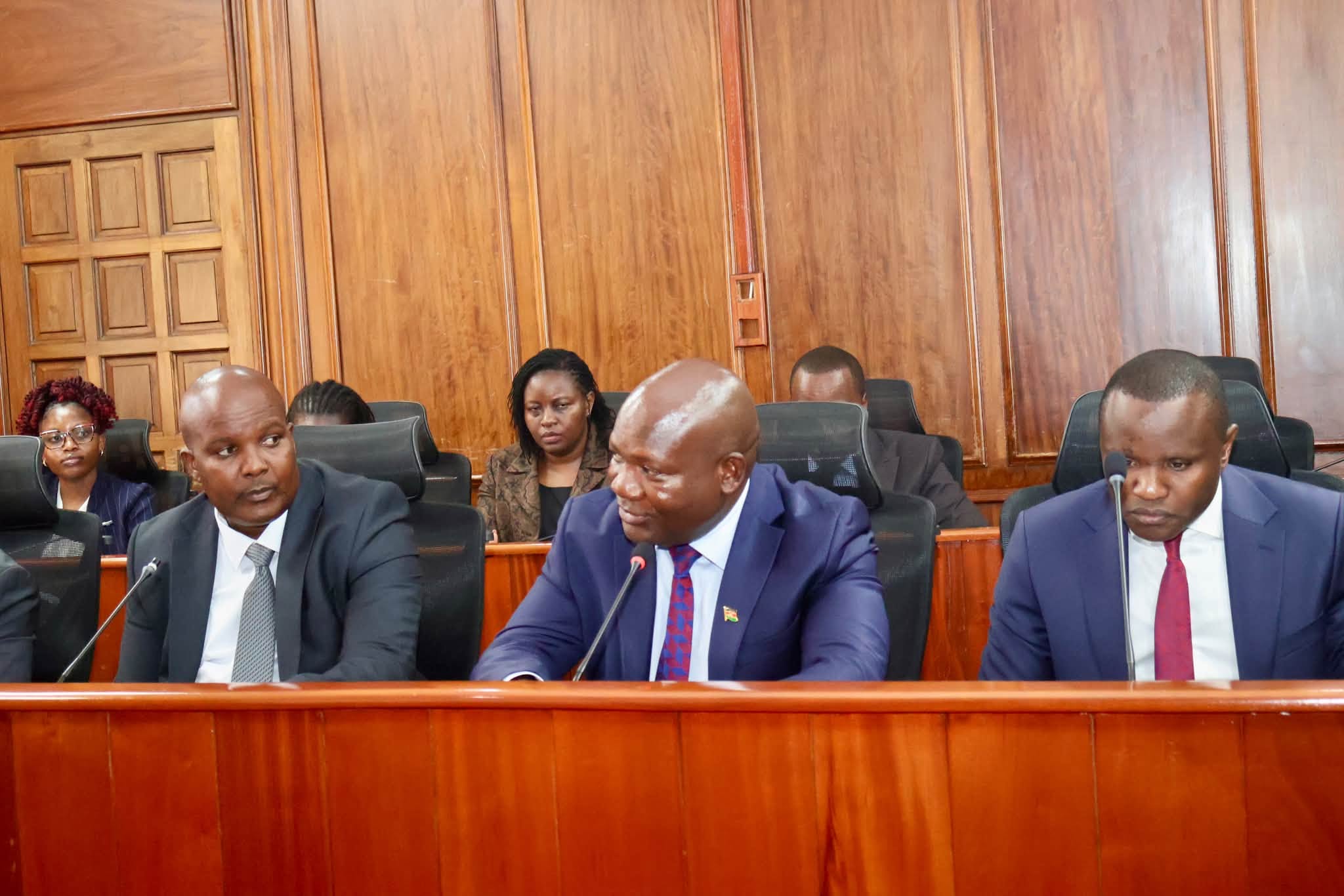
The Senate Standing Committee on Agriculture, Livestock and Fisheries is chaired by Bungoma Senator David Wakoli. It met Kakamega Governor Fernandes Barasa and county officials on Thursday to assess the implementation of agriculture, livestock, veterinary and fisheries programmes.
The committee was informed that the department received an allocation of Ksh911.85 million in the 2025/2026 financial year. Of that amount, Ksh822.17 million was spent, representing a 90 per cent absorption rate.
The county said it invested in farm inputs, extension services, dairy development and the construction of a Smart Farm in Likuyani sub-county.
Under the farm inputs programme, Kakamega distributed 78,850 bags of planting fertiliser, 77,455 bags of top-dressing fertiliser and 28,770 packets of certified maize seed. The Likuyani Smart Farm was reported to be complete and operational.
The committee also reviewed two major conditional grants. The National Agricultural Value Chain Development Project (NAVCDP) spent Ksh221.38 million out of Ksh231.25 million, translating to 96 per cent absorption. Meanwhile, the Kenya Livestock Commercialisation Project (KeLCoP) utilised Ksh33.50 million out of Ksh33.55 million, or 99.86 per cent.
READ ALSO:
Despite the strong financial performance, the county reported that NAVCDP reached 103,863 farmers against a target of 171,100. A further 42,852 farmers were trained on agricultural technologies and management practices. In addition, 78,065 received subsidised fertiliser through the e-voucher system.
KeLCoP, for its part, reached 18,913 households across Lumakanda, Kisa Central, Isukha Central and Marama Central wards. It supported livestock production, poultry, apiculture, breeding and climate-smart agriculture.
However, the committee examined audit concerns including incomplete procurement records, delays in transferring project funds, inconsistent meetings of project governance structures and the absence of a documented county-level risk management framework.
Questions were also raised over value for money after the Lubao and Nambacha livestock market contracts were terminated before completion.
Kakamega attributed some implementation challenges to delayed disbursement of funds, procurement delays, difficulties in mobilising beneficiaries, climate variability and capacity gaps.
The county reported a development budget absorption rate of 92 per cent, spending Ksh783.77 million out of an approved Ksh851.40 million. It said delays in exchequer releases, lower-than-expected own-source revenue and procurement delays contributed to the unspent balance.
To improve performance, the county proposed strengthening revenue collection, improving programme planning and monitoring, ensuring timely release of funds and increasing use of the Electronic Government Procurement system.
The county also told the committee that it has a monitoring and evaluation framework. It tracks agricultural projects through monthly, quarterly and annual reports, with follow-up on audit and evaluation recommendations.
By Lizzy Aluga
Get more stories from our website: Sacco Review.
For comments and clarifications, write to: Saccoreview@
Kindly follow us via our social media pages on Facebook: Sacco Review Newspaper for timely updates
Stay ahead of the pack! Grab the latest Sacco Review newspaper!