- A tea factory in Meru faces mounting debt and scrutiny over its operations
- Farmers have raised concerns over low payments and alleged leaf manipulation
- Regulators are tightening oversight as Parliament seeks answers on the factory’s finances
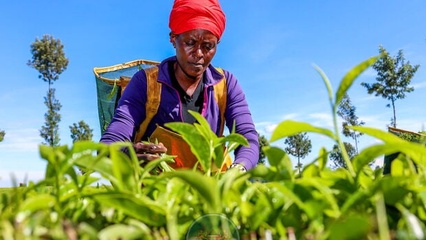
The Micii Mikuru Tea Factory in Meru County owes Ksh1,126,929,425 and has been flagged for leaf falsification, a Tea Board of Kenya (TBK) audit has told Parliament.
The regulator presented the findings to the National Assembly’s Departmental Committee on Agriculture and Livestock. The committee is chaired by Tigania West Member of Parliament (MP) John Mutunga. TBK described a factory weighed down by mounting debt, suspected crop diversion and growing anger among its farmers.
The audit identified fraudulent schemes operating between local buying centres and the main factory floor. Investigators specifically flagged systemic leaf falsification and the theft of public resources.
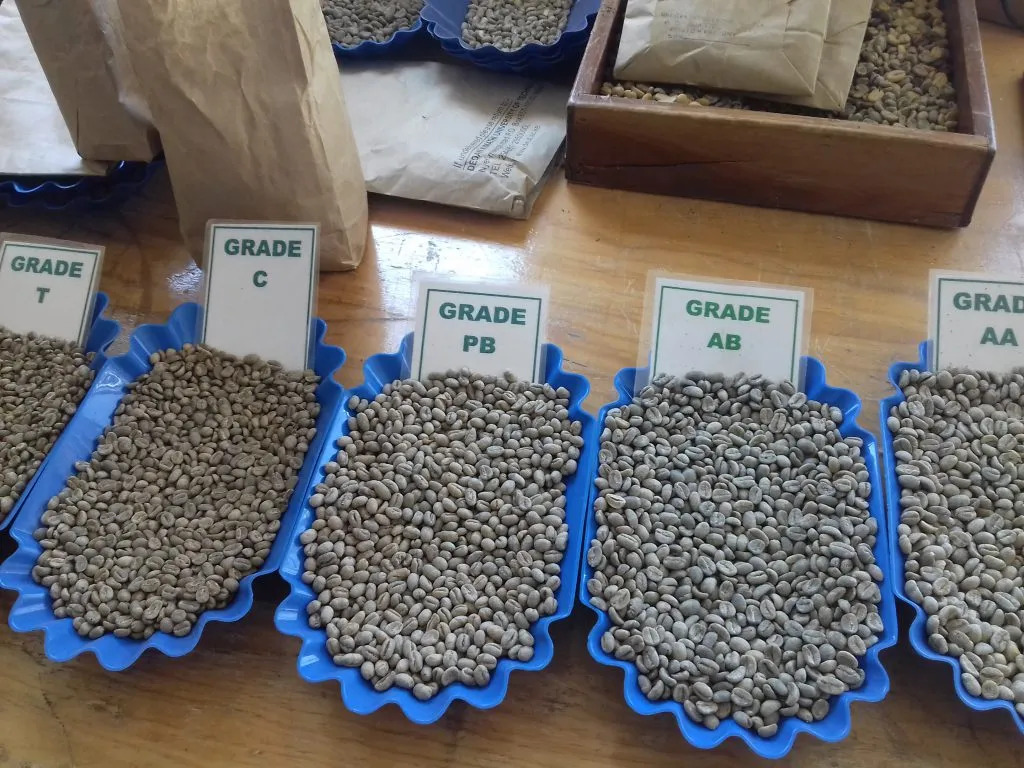
At the centre of the findings is an unfavourable conversion ratio. In simple terms, the factory is using an unusually high volume of green leaf to produce a single kilogram of processed black tea.
Lawmakers noted that such a distorted ratio is a key warning sign. It can point to the physical diversion of crops and the theft of raw material deliveries.
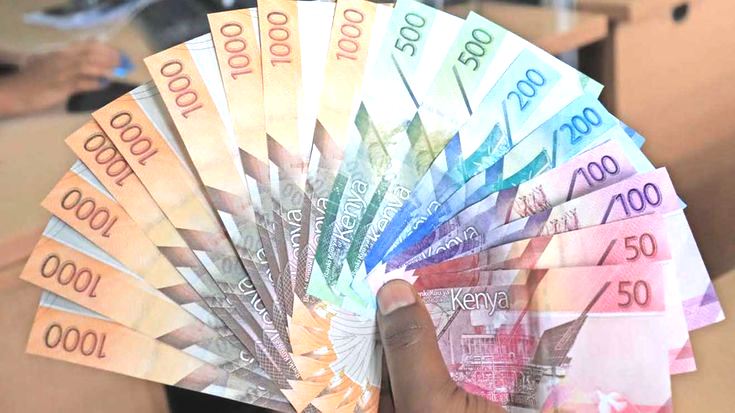
On the financial front, TBK’s forensic review verified the factory’s outstanding debt at Ksh1,126,929,425.
The audit linked the deficit to high operational overheads, accrued interest penalties on commercial loans and unsold tea stock sitting in warehouses.
Committee members were not satisfied. They demanded a transparent, itemised breakdown of the factory’s accounts. They want to establish how millions of shillings meant for farmer payouts ended up swallowed by the deficit.
The proceedings also showed how these failures have reached the farmers who supply the factory. Management declared a second bonus of just Ksh20 per kilogram for the financial year. Added to the baseline monthly delivery advance of Ksh30, farmers will receive a total of Ksh50 per kilogram.
RELATED:
By comparison, the committee noted that neighbouring factories in Zone 7 are paying more. The Imenti Tea Factory, for instance, is paying up to Ksh60 per kilogram.
In response, TBK Chief Executive Officer (CEO) Willy Mutai told the committee that stringent regulatory action is already underway.
First, the regulator has tied the factory’s governance reforms to its eligibility for the national Government’s Tea Factory Modernization Grant. Funds will be withheld, Mutai said, until management structures are cleaned up.
Second, TBK is working with the Weights and Measures Department on a regional crackdown on buying centres. Inspectors will check for tampered seals and non-compliant digital scales. These are the tools clerks are accused of using to shortchange farmers during leaf collection.
Meanwhile, the National Assembly Agriculture Committee has vowed to keep the factory under strict oversight. Members said they will do so until those responsible for the leaf manipulation and the financial deficit are held fully accountable.
By Benedict Aoya
Get more stories from our website: Sacco Review.
For comments and clarifications, write to: Saccoreview@
Kindly follow us via our social media pages on Facebook: Sacco Review Newspaper for timely updates
Stay ahead of the pack! Grab the latest Sacco Review newspaper!