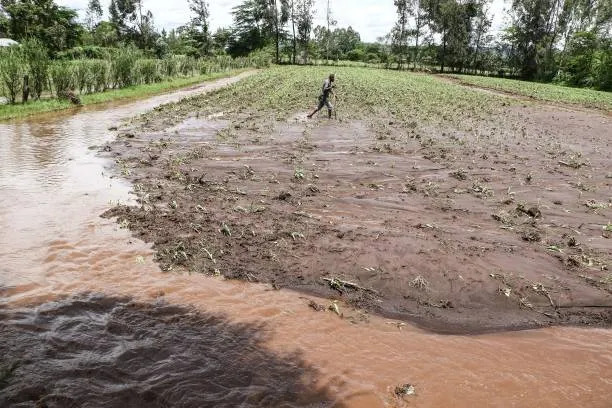
- Kakamega warns farmers of heavy El Niño rains from October to December.
- Farmers are urged to secure crops, livestock and fish ponds early.
- Flooding, disease outbreaks and agricultural losses are among the key risks.
Kakamega County has issued an advisory urging farmers to prepare early for enhanced rainfall expected between October and December 2026, warning that the anticipated El Niño conditions could trigger flooding, crop losses and livestock diseases if residents are caught off guard.
The advisory was released by the County Government’s Ministry of Agriculture, Livestock, Fisheries and Cooperatives. It calls on all agricultural stakeholders, from crop growers to fish farmers, to undertake precautionary measures before the rains intensify.
According to the notice, the coming rains may bring more than just flooding. Soil erosion, waterlogging, damage to agricultural infrastructure, fish escapes from ponds and post-harvest losses all feature among the county’s concerns. Livestock and fish diseases are also expected to rise as wet conditions set in.
Given these risks, the county has broken down its guidance by farming activity, targeting crop producers, livestock and poultry keepers, and fish farmers separately.
Guidance for crop farmers
Crop farmers have been advised to harvest mature produce early and store it in dry, elevated and well-ventilated facilities. Beyond this, the advisory recommends clearing and maintaining farm drains, waterways and culverts ahead of the rains.
Soil conservation also features prominently. Farmers are encouraged to strengthen terraces, contours and grass strips, while steering clear of cultivation on riverbanks, wetlands and other flood-prone zones. Should pests, diseases or crop damage emerge, the county wants these reported promptly, alongside adherence to advice from agricultural extension officers.
Livestock and poultry keepers told to act early
For livestock and poultry farmers, relocation is key. The advisory urges farmers to move animals from flood-prone areas to safer, elevated ground. Additionally, it calls for repairs to animal and poultry housing, improved drainage, and adequate stocks of hay, silage and other feeds stored safely away from moisture.
READ ALSO:
Clean water, dry bedding and proper shelter round out the immediate priorities. However, the county also stressed the importance of strengthened hygiene, biosecurity and disease surveillance, with suspected outbreaks to be reported to veterinary officers without delay. Farmers have further been reminded to follow approved vaccination programmes.
Fish farmers urged to safeguard ponds
Fish farmers, too, have specific instructions. The advisory recommends inspecting and reinforcing pond embankments, spillways and drainage structures, alongside installing screens to prevent fish escaping during flooding.
Stormwater should be diverted away from ponds to keep contaminated runoff out, while water quality and fish health need close monitoring, particularly following heavy downpours. Where ponds risk overflowing, the county has asked farmers to seek guidance from fisheries officers.
County to work with meteorological department
Beyond individual measures, the advisory outlines a broader preparedness plan. Farmers are encouraged to use the period before the rains begin to clear drainage systems, harvest crops, secure animal housing, conserve feeds and reinforce fish ponds and soil conservation structures.
For its part, the county says it will continue partnering with the Kenya Meteorological Department and other stakeholders to provide timely weather updates. This collaboration is also expected to strengthen surveillance and response across agriculture, veterinary and fisheries sectors.
Farmers have been directed to seek information through extension officers, farmer organisations and official county communication channels. Crucially, the county wants any flooding, crop damage, livestock deaths, disease outbreaks, fish mortality or infrastructure damage reported promptly.
In its conclusion, the county respectfully urged all farmers across Kakamega to take these precautionary measures early and stay alert to official weather and agricultural advisories.
“Early preparation will help protect livelihoods, reduce agricultural losses and strengthen our resilience to the anticipated rainfall,” the advisory states.
By Benedict Aoya
Get more stories from our website: Sacco Review.
For comments and clarifications, write to: Saccoreview@
Kindly follow us via our social media pages on Facebook: Sacco Review Newspaper for timely updates
Stay ahead of the pack! Grab the latest Sacco Review newspaper!