The government has admitted that weaknesses in existing laws governing Micro, Small and Medium Enterprises (MSMEs) and Savings and Credit Co-operative Societies (SACCOs) are slowing the growth and effectiveness of the sector.
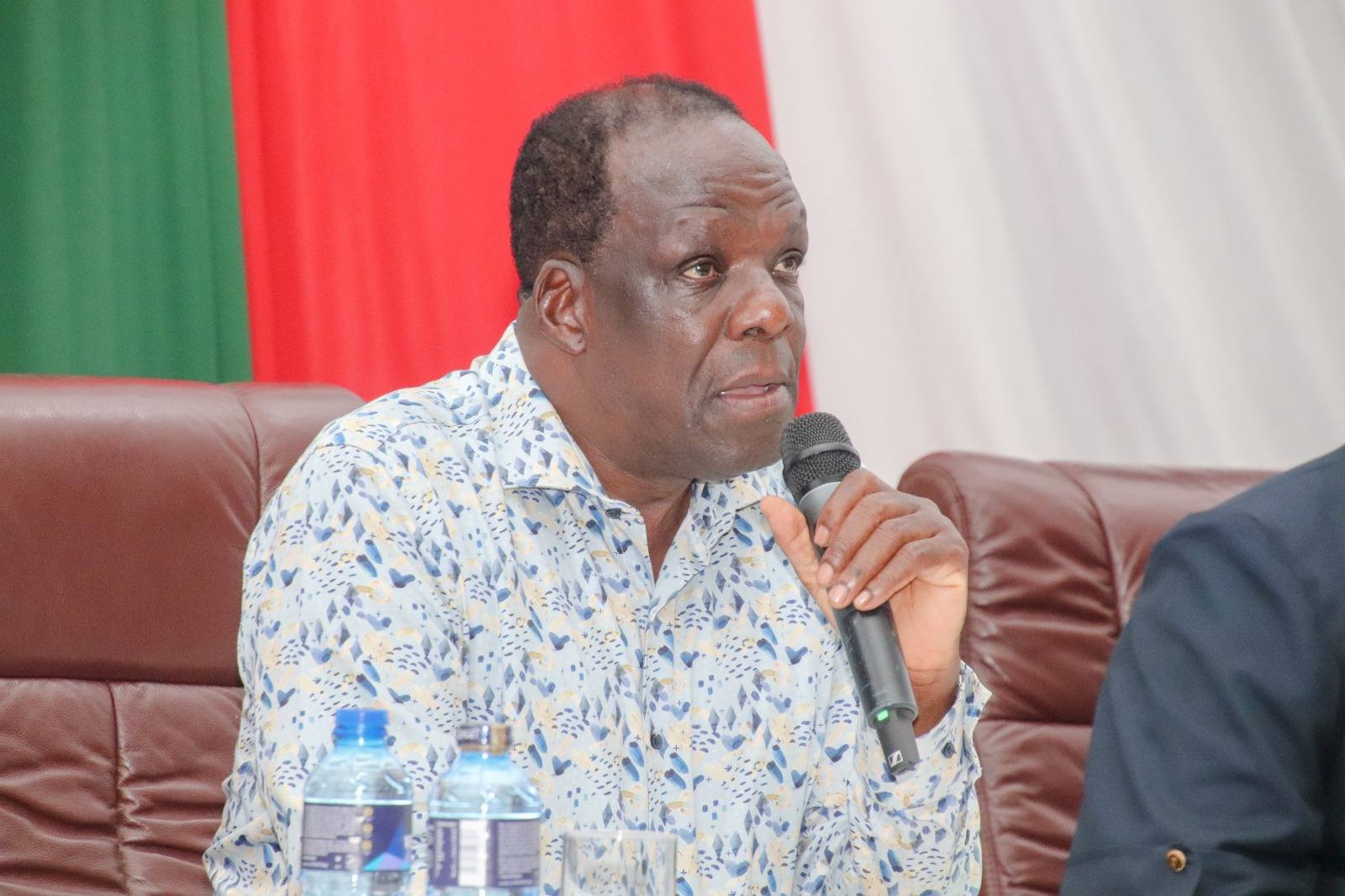
Cabinet Secretary for Co-operatives and MSME Development Wycliffe Oparanya told lawmakers that gaps in the current legal framework have undermined efforts to strengthen small businesses, which remain central to Kenya’s economic transformation agenda.
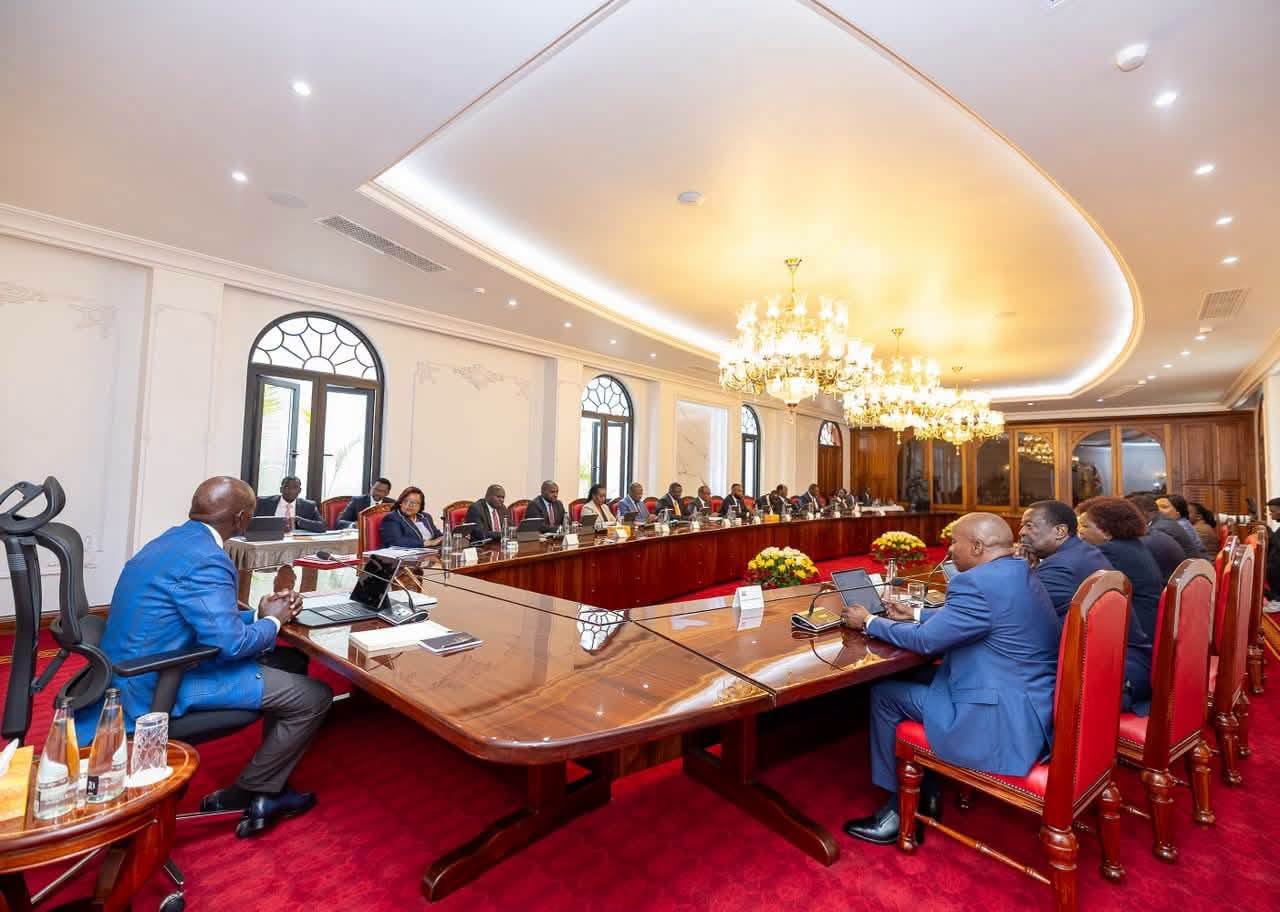
Speaking during a meeting with the National Assembly Departmental Committee on Trade, Industry and Co-operatives on Saturday, May 16, Oparanya said the government is seeking amendments to the Micro and Small Enterprises Act and the proposed SACCO Societies Bill, 2026, to address long-standing challenges facing the sector.
The session, chaired by Bernard Shinali, brought together senior officials from the Ministry of Co-operatives and MSME Development, including Principal Secretary Susan Mang’eni.
Oparanya said MSMEs remain the backbone of livelihoods for millions of Kenyans and are critical to the success of the government’s Bottom-Up Economic Transformation Agenda.
“The MSME sector remains central to the Bottom-Up Economic Transformation Agenda because it is the space where millions of Kenyans earn a living, create jobs, support families and contribute to national development,” he told the committee.
The CS noted that sustainable growth in the sector will depend on stronger legal and policy frameworks, improved access to funding, effective oversight and better institutional coordination.
ALSO READ:
Ruto heads to Baku to showcase Kenya’s housing agenda at the World Urban Forum
Lawmakers were informed that the current Micro and Small Enterprises Act contains several shortcomings that have limited the sector’s expansion and efficiency. Among the gaps identified are inadequate financial inclusion measures, weak formalisation support, limited innovation and digitalisation frameworks, poor institutional coordination, and insufficient monitoring and evaluation mechanisms.
The ministry also cited the lack of targeted interventions for women, youth and persons with disabilities as a major weakness in the existing law.
According to ministry officials, the proposed amendments are intended to strengthen regulation within the MSME ecosystem, improve protection for entrepreneurs and create a more supportive environment for small businesses.
Shinali assured the ministry that the committee would thoroughly scrutinise the proposed amendments to ensure the legislation protects public interests while supporting the growth of small enterprises, which form a significant part of Kenya’s economy.
By Juma Ndigo
Get more stories from our website: Sacco Review.
For comments and clarifications, write to: Saccoreview@
Kindly follow us via our social media pages on Facebook: Sacco Review Newspaper for timely updates
Stay ahead of the pack! Grab the latest Sacco Review newspaper!