
Kenya’s agricultural export ambitions are facing a major financial hurdle as thousands of farmers, cooperatives and micro, small and medium enterprises (MSMEs) struggle to access affordable capital needed to take advantage of growing international demand.
Despite the country’s strong agricultural base and expanding opportunities in overseas markets, many producers and small businesses remain unable to convert market opportunities into actual export earnings because they lack the working capital required to produce, aggregate, process and deliver goods at scale.
The financing gap is particularly significant for smallholder farmers and cooperatives, which form the backbone of Kenya’s agricultural economy but often operate with limited cash reserves and inadequate access to formal credit.
For many of these enterprises, the problem is not a lack of products or potential buyers. Instead, it is the inability to finance the journey between production and payment.
An exporter may secure an order from an international buyer but still require substantial capital to purchase produce from farmers, transport it, undertake quality checks, package it, store it and meet the logistical and regulatory requirements necessary before shipment. Without that money, a potentially profitable export contract can remain unfulfilled.
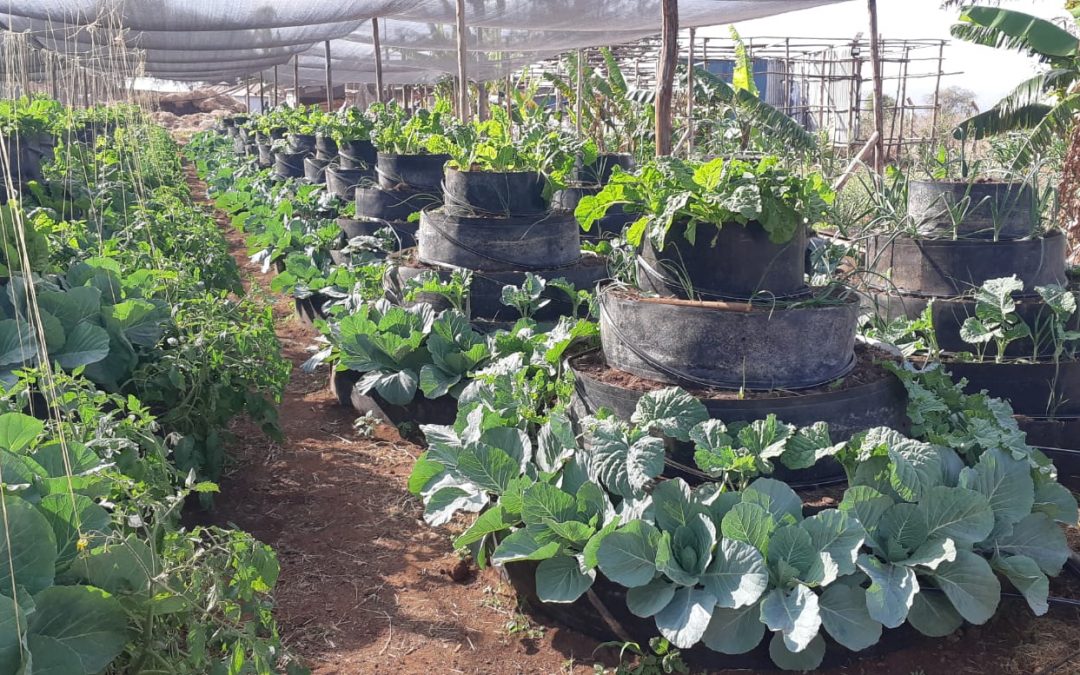
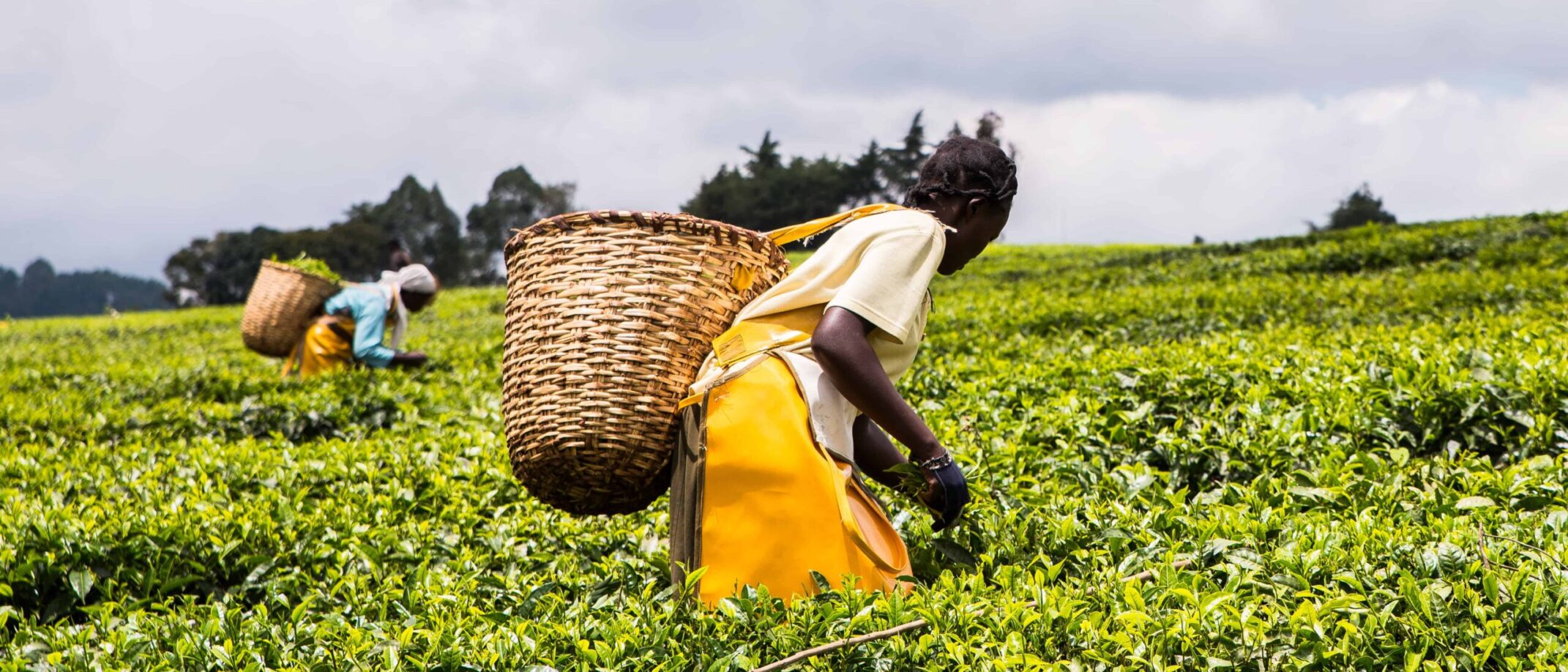
Kenya has built a reputation for producing agricultural commodities that attract buyers beyond its borders. Tea, coffee, horticultural products, flowers, avocadoes, macadamia nuts, vegetables and other agricultural commodities have created important export opportunities for farmers and businesses.
YOU MAY WANT TO READ:
Small-scale producers can therefore find themselves trapped in a paradox. They have access to production opportunities and, in some cases, international buyers, but lack the capital necessary to satisfy the orders. The result is lost business, reduced incomes and missed opportunities for Kenya to earn additional foreign exchange.
Trade finance can provide the bridge between production and payment. Unlike ordinary business borrowing, trade finance facilities can be structured around specific commercial transactions and supply chains.
For an agricultural exporter, financing can help purchase produce before shipment, pay farmers and suppliers, cover processing and packaging costs, finance transportation and meet other expenses incurred before an overseas buyer makes payment.
A business without sufficient working capital may therefore be forced to reject orders, reduce the size of its operations or rely on expensive informal sources of credit. Affordable trade finance can change that equation by allowing businesses to fulfil contracts while maintaining healthy cash flows.
Farmer cooperatives are strategically positioned to benefit from improved access to trade finance. By pooling production from individual farmers, cooperatives can achieve the volumes required by large buyers while strengthening their bargaining power. They can also coordinate collection, storage, processing, packaging and transportation.
With the right financial support, cooperatives can move beyond being simple aggregation points and become sophisticated agricultural enterprises, capable of participating directly in international value chains.
Instead of selling raw produce to intermediaries who handle subsequent stages of the value chain, organised farmer groups could increasingly participate in processing, branding and export, translating into better returns for producers.
The challenge extends beyond agriculture. Kenya’s MSMEs continue to face difficulties obtaining affordable and appropriately structured financing. Many small enterprises have viable business ideas and customers but lack the capital necessary to purchase equipment, expand operations, increase inventory or take on larger contracts.
For agricultural enterprises, conventional lending models can be particularly difficult because their income follows seasonal production cycles. A farmer may invest heavily months before receiving payment after harvest, and a financing model that does not recognise these cycles can place unnecessary pressure on the borrower.
Money alone, however, will not solve Kenya’s export challenge. Businesses also need access to reliable markets, accurate market information, export knowledge and assistance in meeting international quality standards.
ALSO READ:
A farmer who receives a loan without having a reliable market may struggle to repay it, and an entrepreneur who has secured a lucrative overseas buyer but cannot raise working capital may lose the contract.
The most effective approach is therefore one that combines financing with market access, turning financing from a stand-alone banking product into a broader export development tool.
Kenya’s export strategy must also focus on value addition. For years, agricultural producers have faced the challenge of exporting commodities in relatively raw forms while other countries capture additional value through processing, packaging, branding and distribution. Farmers and MSMEs could earn more by participating in processing and packaging before products leave the country.
One of the most persistent barriers to agricultural finance is the conventional demand for substantial collateral. Many smallholder farmers do not own high value assets that can easily be pledged against commercial loans.
Financial institutions therefore need to explore financing models that recognise the broader economic value of agricultural businesses. Purchase agreements, warehouse receipts, movable assets, group guarantees and supply contracts could help viable enterprises access credit without relying entirely on traditional collateral.
Kenya already possesses many of the ingredients required to become a stronger agricultural export powerhouse: productive farmers, established agricultural value chains, experienced exporters and access to international markets. The missing ingredient for many businesses is adequate and affordable capital.
Closing that gap could allow more enterprises to graduate from informal and small-scale trading into structured commercial operations, and enable more Kenyan businesses to participate directly in global supply chains rather than relying heavily on intermediaries.
The success of Kenya’s efforts to expand trade finance should ultimately be measured by accessibility. The products must be affordable, understandable and accessible to the farmers, cooperatives and small businesses that need them.
Loan application processes should be practical, repayment schedules should reflect agricultural cycles and financing decisions should increasingly consider the realities of small businesses. Financial literacy will also be essential, so businesses understand how trade finance works and how to manage working capital effectively.
The country’s challenge is therefore not simply to produce more agricultural goods. It is to build a financial and commercial ecosystem capable of moving those goods efficiently from Kenyan farms to consumers around the world.
The race for global agricultural markets will not be won by production alone. It will be won by combining production with capital, technology, market access and the capacity to deliver consistently.
By Hillary Muhalya
Get more stories from our website: Sacco Review.
For comments and clarifications, write to: Saccoreview@
Kindly follow us via our social media pages on Facebook: Sacco Review Newspaper for timely updates
Stay ahead of the pack! Grab the latest Sacco Review newspaper!