
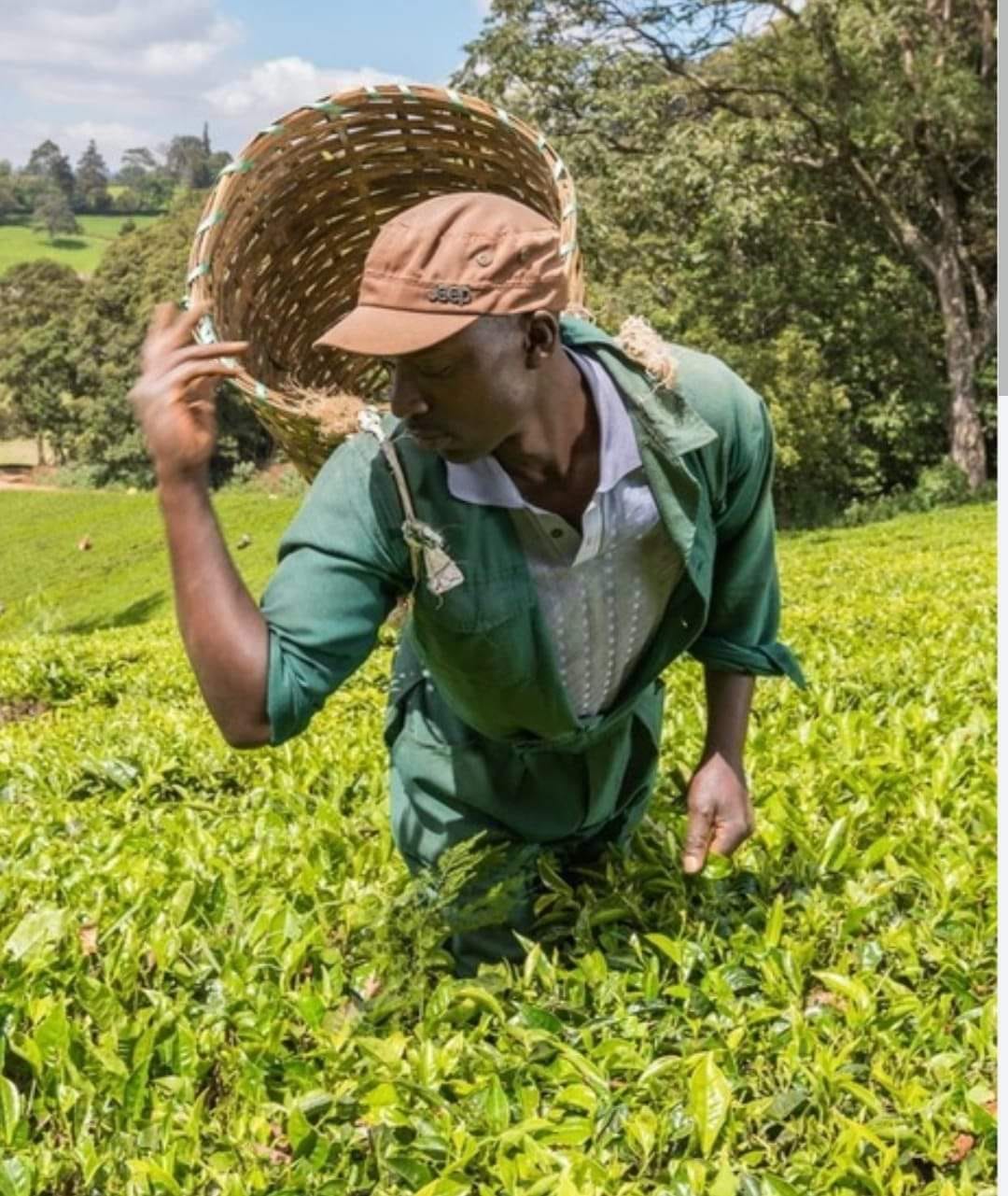
Recent statistics for the 2024/2025 financial year reveal a glaring disparity in the annual bonus rates paid to tea farmers across Kenya’s key tea-growing regions. While farmers in the East of Rift Valley and Mt Kenya regions receive relatively higher bonuses ranging from Ksh26 to Ksh57 per kilogram of green leaf supplied, those in the Gusii region comprising of Kisii and Nyamira counties earn significantly less, with rates as low as Ksh10 to Ksh32 per kilogram. For example, Mununga Tea Factory in Murang’a (Central Kenya) announced a bonus rate of Ksh57.00 per kilo, and Embu’s Rukuriri Tea Factory (also Central Kenya) offered an even higher Ksh57.50 per kilo.
Meanwhile, rates at Gusii tea factories are far lower: Nyansiongo Tea Factory (Nyamira) at Ksh12.00, Kiamokama Tea Factory (Kisii) at Ksh10.00, Itumbe Tea Factory (Kisii) at Ksh11.00, and Kebirigo Tea Factory (Nyamira) at Ksh13.00.This marked contrast makes it clear that farmers in the Gusii region are facing the lowest bonus rates recorded in recent years. The impact on tea farmers, many of whom depend entirely on tea farming for their livelihood, cannot be overstated. Their frustration has grown into public protests and demands for fair compensation.
These farmers feel neglected and undervalued despite their unwavering commitment to cultivating high-quality tea leaf under difficult farming conditions.
Unequal Bonus Rates Undermine Economic and Social Dignity
This disparity extends beyond merely lost income; it strikes at the heart of economic dignity and social justice. Tea farming in the Gusii region is more than an agricultural endeavor; it is the backbone of countless rural households, providing food, education, healthcare, and basic needs. When their labor is undervalued through unjust bonus rates, it directly threatens the wellbeing and future of entire families and communities. The Gusii region’s tea farmers also perform on par, if not better, than their counterparts in other regions in terms of quality. They face the same challenges, including rising production costs, erratic weather patterns, and a global tea market that fluctuates beyond their control. Yet, the benefits from the tea industry’s success remain unevenly distributed. This unfairness perpetuates a cycle of economic disparity where Gusii tea farmers remain marginalized, stifling rural development and deepening regional inequalities.
The current situation sends a discouraging message to the youthful generation in Gusii, who might otherwise view tea farming as a sustainable and rewarding livelihood. If the rewards are neither fair nor predictable, young people may abandon agriculture altogether, threatening the long-term sustainability of Kenya’s tea sector.
ALSO READ:
Bomet County, Commodities Fund to partner to revive coffee farming
The Urgent Call for Transparency and Equity
It is imperative that the government, Kenya Tea Development Agency (KTDA), tea factories, and other stakeholders address this injustice with immediate effect. Transparency in how bonuses are calculated and distributed must be the starting point. Farmers who contribute equally deserve equal reward. The bonus rate should reflect not only the quantity and quality of the green leaf delivered but also the
challenges faced by farmers, including transport costs, farm inputs, labor, and market uncertainties. An equitable framework for bonus calculation must be established, monitored, and enforced to guarantee fairness across all tea-growing regions without exception.
The Role of Leadership and Collective Advocacy
Leaders at national and county levels have a crucial role to play in rectifying this imbalance. Politicians, agricultural officers, and community advocates must unite to champion the rights of Gusii tea farmers, ensuring their voices are heard at policy and industry forums. This is a matter of justice, fairness, and respect for all agricultural producers in Kenya. Ensuring fair bonus rates is not merely a financial issue; it is about restoring the dignity of hardworking farmers who make significant contributions to Kenya’s foreign exchange earnings and rural livelihoods.
Broader Implications for Kenya’s Agricultural Future
Kenya’s prosperity is intimately tied to its farmers. Agriculture remains the bedrock of the country’s economy, providing employment for over 70% of Kenyans. Tea farming, as one of the country’s largest foreign exchange earners, must operate on principles of equity and sustainability. Addressing the bonus disparity in Gusii is an opportunity to build a more inclusive agricultural sector—one that recognizes the diverse contributions of all regions and rewards them justly. Fair treatment boosts morale, increases productivity, and fosters community trust and loyalty to the tea industry.
ALSO READ:
Meru launches mass cattle vaccination drive to combat foot and mouth disease
Toward a Sustainable and a just tea sector
To solve this issue it requires a coordination action as follows:
- Government intervention to set and enforce minimum bonus standards for all regions.
- KTDA’s commitment to transparency in financial dealings and equitable profit sharing.
- Empowerment of farmers through education on their rights and collective bargaining.
- Stakeholder dialogue involving tea processors, exporters, and farmers to create an inclusive framework.
By doing so, the tea sector can become a model of fairness and sustainability, improving the lives of millions and ensuring Kenya’s leadership in the global tea market remains secure.Ensuring fair annual bonus rates for Gusii tea farmers is not just about economic but it is a profound statement of justice, dignity, and respect for the labor of men and women who have nurtured Kenya’s tea industry for generations. Fair compensation will restore hope, uplift communities, and strengthen the entire tea sector for future generations.
By Philip Ombati
Philip Ombati is one of the founders of the Nyamira county transformation movement.
Get more stories from our website: Sacco Review.
For comments and clarifications, write to: Saccoreview@
Kindly follow us via our social media pages on Facebook: Sacco Review Newspaper for timely updates
Stay ahead of the pack! Grab the latest Sacco Review newspaper!