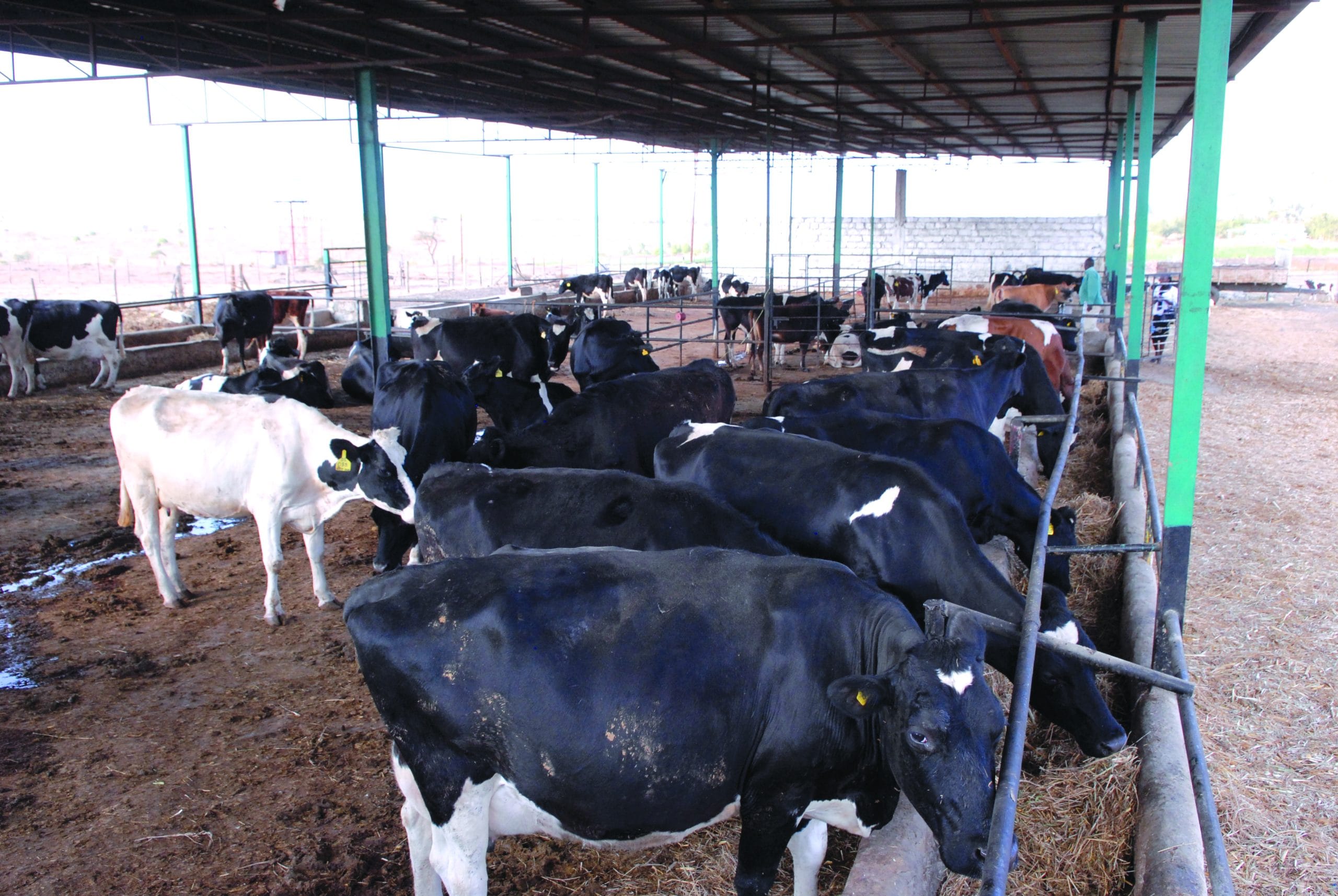

Dairy farmers in Kisii and Nyamira counties have received a major boost after the government delivered four milk coolers, each with a capacity of 1,000 litres, to local cooperatives. The units, flagged off by Governor Paul Simba Arati, Livestock Principal Secretary Jonathan Mueke, and Broadcasting PS Stephen Isaboke, are expected to serve about 1,200 farmers and help them access formal markets instead of relying on informal traders.
PS Mueke said the project is a priority under the Kenya Kwanza government and follows President William Ruto’s directive that coolers for Kisii and Nyamira be delivered before June 2026. The initiative is part of the government’s wider plan to strengthen the dairy value chain and improve farmer incomes across milk-producing regions.
This rollout is part of a larger national program. From January 2025, the Ministry of Agriculture and Livestock Development began distributing over 230 milk coolers to 41 counties. The goal is to reduce post-harvest losses, which see up to 40% of smallholder milk go to waste without proper cooling. In Kisii alone, the four coolers are expected to help farmers collectively supply more than 800,000 litres of milk annually to structured markets.
Dairy farming supports thousands of households in Kisii County, but for years, farmers have lost income due to milk spoilage.
Milk is highly perishable, and in Kisii’s warm climate, it sours quickly without cooling. That forced many smallholders to sell cheaply to middlemen or pour milk away overnight. The recent rollout of new milk coolers is changing this by giving farmers a way to preserve milk, reduce losses, and access better markets.
ALSO READ:
Kenya’s financial sector urged to embrace AI and modern credit scoring to expand access to credit
Coolers work by bringing milk down to 4°C within hours of milking, slowing bacterial growth and keeping it fresh for up to 48 hours. That extra time allows cooperatives to bulk milk, meet processor quality standards, and negotiate better prices. Processors such as New KCC now require cold chain compliance, and with cooling in place, Kisii milk can enter schools, supermarkets, and other formal channels. The county government has also tied this to a school milk programme and a new milk processing factory expected to be completed within six months.
Governor Arati has asked farmers to join cooperatives in large numbers so they can bulk their milk and bargain for better market prices. He also urged them to join SACCOS to access soft loans for buying farm implements such as dairy cows, feeds, and milking equipment. By organising this way, farmers can lower costs, improve productivity, and have more control over the dairy value chain instead of depending on middlemen.
The impact goes beyond economics. When milk does not spoil, farmers earn consistently and can invest in better feeds, veterinary care, and improved breeds. Women, who handle much of the dairy work in Kisii, benefit directly from daily milk sales. Youths have also been trained to operate the coolers, creating technical jobs at the cooperative level. West Mugirango MP Stephen Mogaka noted that the coolers would significantly cut post-harvest losses and give farmers more stable incomes.
ALSO READ:
Bankers Association warns Finance Bill 2026 taxes could undermine digital payments
The success of this initiative will depend on maintenance, power supply, and farmer discipline. Solar-powered and hybrid coolers are being introduced in rural areas to address power gaps. Nationally, the government is also setting up a KSh 3 billion milk price stabilisation fund to mop up excess milk and convert it into powder for the Strategic Food Reserve.
With cooling infrastructure now in place, Kisii is moving from raw milk production toward value addition and commercial dairy. If well managed, the new coolers will reduce waste, raise incomes, and strengthen food security in the county. For farmers who have long struggled with spoilage, it marks a shift from surviving on milk to building a business from it.
By Enock Okong’o
Get more stories from our website: Sacco Review.
For comments and clarifications, write to: Saccoreview@
Kindly follow us via our social media pages on Facebook: Sacco Review Newspaper for timely updates
Stay ahead of the pack! Grab the latest Sacco Review newspaper!