Savings and credit cooperative Societies (Saccos) have become the latest institutions to oppose proposals in the Finance Bill 2026 that would allow the Kenya Revenue Authority (KRA) to freeze bank accounts and recover funds even while tax disputes remain unresolved.
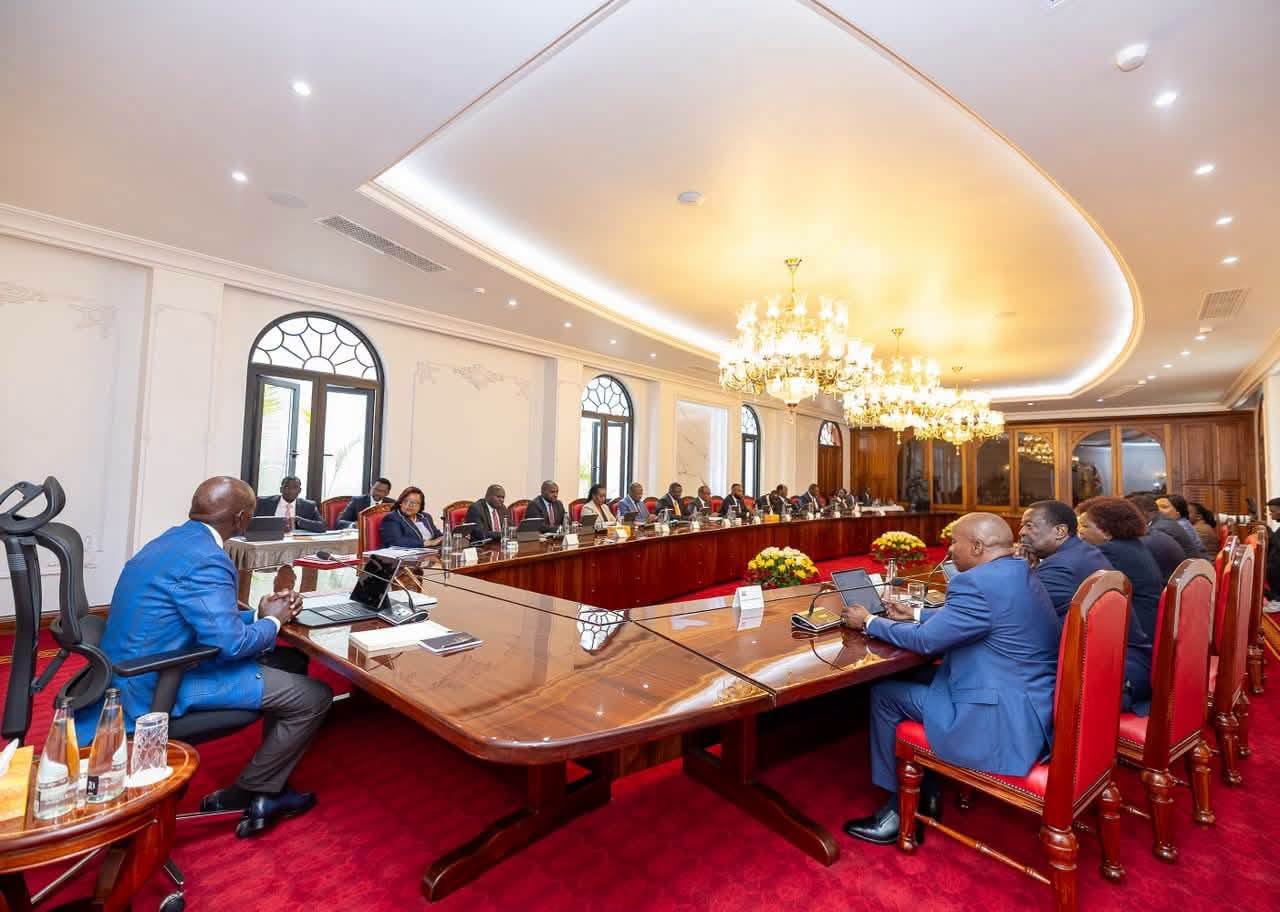
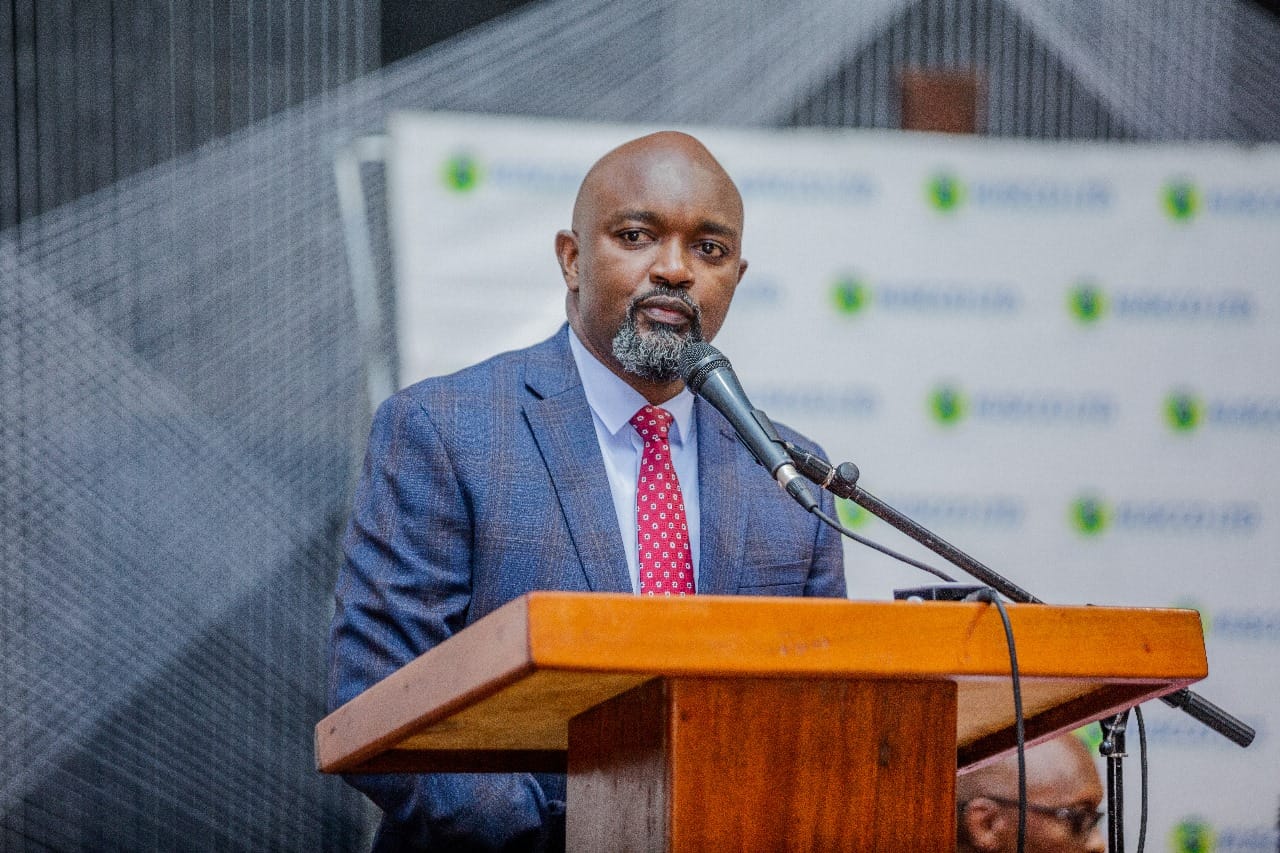
The Kenya Union of Savings and Credit Cooperatives (Kuscco) told the National Assembly’s Finance and National Planning Committee that the move would expose financial entities to severe cash flow pressures and disrupt operations. Kuscco Chief Executive Arnold Munene warned that funds held in sacco accounts are not idle reserves but are actively deployed to support lending, member withdrawals and ongoing obligations. “Restricting access to such funds can disrupt lending and delay access to member savings,” he said.
Currently, Section 42 (14) (e) of the Tax Procedures Act bars KRA from issuing agency notices, freezing accounts, or taking enforcement measures while a tax dispute is active or under appeal. The Finance Bill seeks to delete this protection, effectively granting the taxman authority to recover disputed amounts before cases are determined.
Kuscco’s opposition aligns with concerns raised earlier by the Kenya Bankers Association (KBA) and the Kenya Private Sector Alliance (Kepsa). Kepsa argued that agency notices would compel third parties to remit funds to KRA on behalf of taxpayers even before disputes are heard. “If the taxpayer subsequently succeeds on appeal, recovery of those funds from KRA is uncertain or protracted,” Kepsa said in its submissions.
ALSO READ:
How SACCOs have become the unsung heroes of teachers’ financial survival stories
Private sector players cautioned that premature enforcement could undermine litigation strategies, noting that many taxpayers structured their appeals on the basis of existing protections. Removing those safeguards mid‑litigation without transitional provisions, they said, would expose businesses to enforcement action they had no reason to anticipate when commencing their cases.
The sector also expressed concern over the lengthy nature of Kenya’s tax dispute resolution process, from objection to tribunal and court determination — warning that taxpayers could be forced to part with significant sums and then spend years chasing refunds. Refunds, they noted, are neither automatic nor immediate even when taxpayers win disputes.
Similar attempts to expand KRA’s enforcement powers have appeared in previous Finance Bills, but stakeholders insist the latest proposal should be rejected in its entirety. They argue that while revenue collection is critical, protecting liquidity and ensuring fair dispute resolution are equally vital for sustaining business operations and economic stability.
By Masaki Enock
Get more stories from our website: Sacco Review.
For comments and clarifications, write to: Saccoreview@
Kindly follow us via our social media pages on Facebook: Sacco Review Newspaper for timely updates
Stay ahead of the pack! Grab the latest Sacco Review newspaper!