
The government is intensifying efforts to shift the tea industry from bulk exports of raw produce to higher‑value processed and branded products, even as political and legislative hurdles threaten to slow the pace of reform.
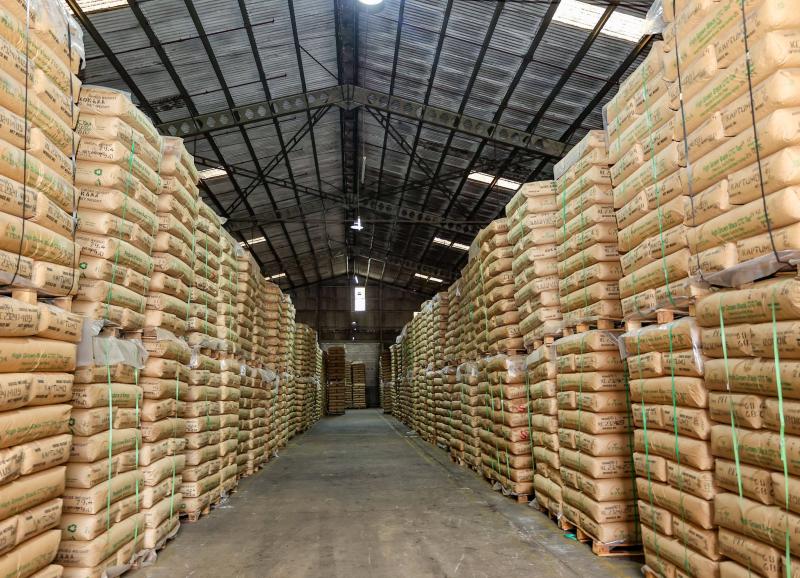
Speaking at the China‑Africa Forum on Agritech and Industrial Cooperation in Nairobi, Tea Board of Kenya (TBK) Chief Executive Officer Willy Mutai said most of Kenya’s tea is still exported in raw form through the Mombasa auction, where international traders package, brand and resell it at premium prices abroad.
“We are encouraging more investors to apply for export licences and invest in Kenya. Kenya is open for any investor to buy, process and export tea,” Mutai said, noting that the government is prioritising investment in local processing, packaging and branding to retain more value within the country.
For decades, Kenya has remained a global leader in black tea exports, but its reliance on bulk shipments has limited earnings to primary production, leaving higher‑margin activities overseas.
ALSO READ:
Industry stakeholders argue that the next phase of growth lies in value addition, which could expand manufacturing, create jobs, and strengthen export revenues by enabling Kenya to sell finished tea products directly to global markets.
China’s expanding trade relationship with Africa has emerged as a key opportunity. Beijing’s zero‑tariff policy on African exports, including tea, is expected to open new markets and encourage Chinese firms to establish production facilities in Kenya. Mutai confirmed that four Chinese companies have already been licensed to package and export tea locally, while at least three others are using Chinese processing technologies tailored for Asian markets.
The government has introduced fiscal reforms to support this shift, including the removal of import duties on packaging materials, aimed at lowering production costs and encouraging local manufacturing of export‑ready products. “Most packaging materials currently come from China, India and Sri Lanka, and there are opportunities to establish more of this manufacturing locally,” Mutai said..
By Masaki Enock
Get more stories from our website: Sacco Review.
For comments and clarifications, write to: Saccoreview@
Kindly follow us via our social media pages on Facebook: Sacco Review Newspaper for timely updates
Stay ahead of the pack! Grab the latest Sacco Review newspaper!