
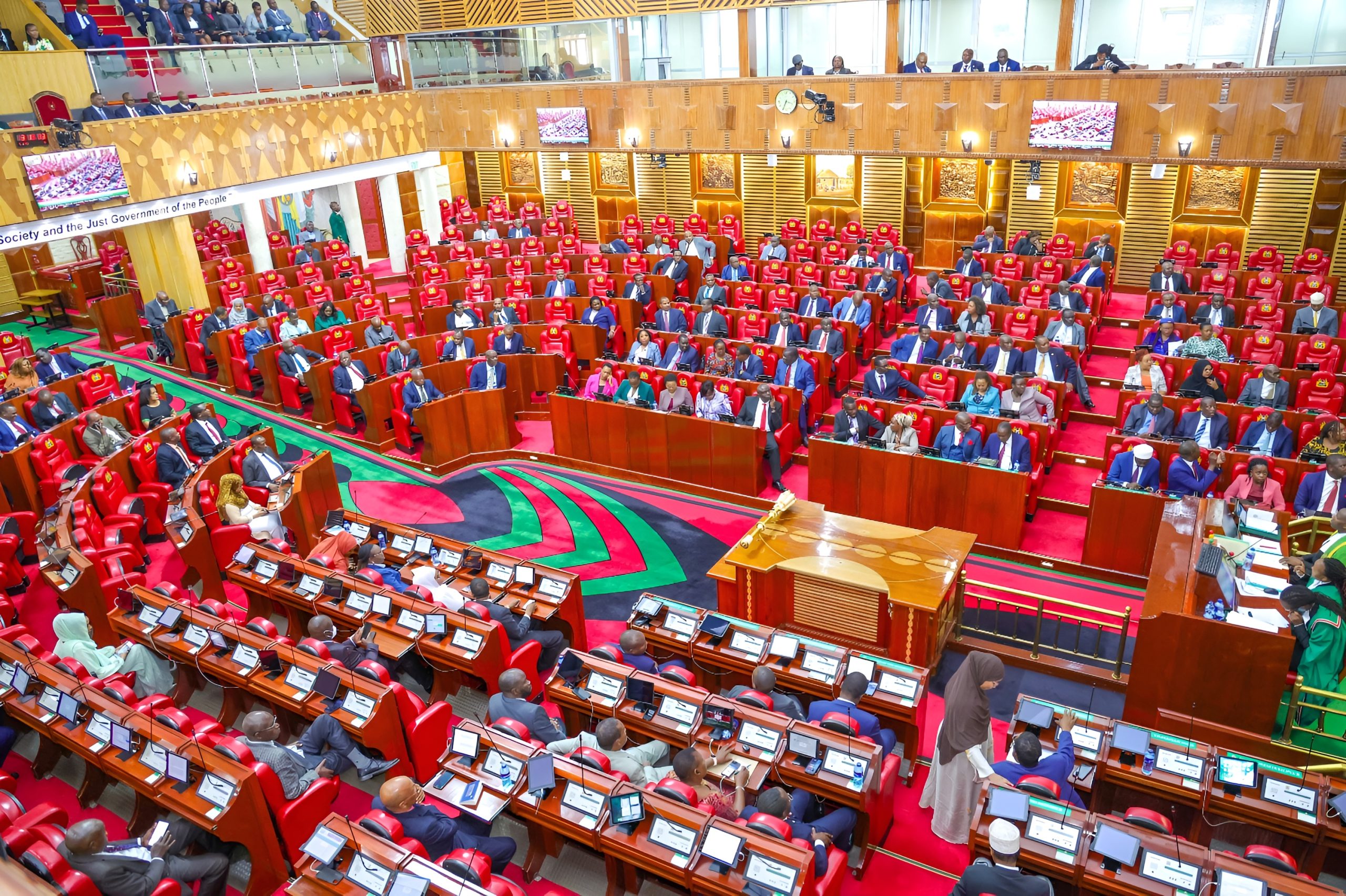
Kenya has taken a significant step towards strengthening citizen participation in governance following the National Assembly’s approval of the Public Participation Bill, 2025.
Public participation is already anchored in the Constitution as one of the national values and principles of governance. Article 10 requires public participation to be observed whenever State organs, State officers, public officers and other persons apply or interpret the Constitution or enact, apply or interpret law and public policy.
Parliament also has a specific constitutional obligation under Article 118 to facilitate public participation and involvement in its legislative and other business and that of its committees.
The proposed legislation is therefore intended to give greater structure to a constitutional obligation that has sometimes been criticised for being implemented inconsistently. It sets out principles and general guidelines for conducting public participation and identifies the public authorities responsible for organising the process.
IN CASE YOU MISSED IT:
At its heart, public participation means that citizens should not merely be informed after government decisions have already been made. They should have a reasonable opportunity to understand proposals, express their views, raise concerns, make recommendations and, where appropriate, influence the final decision. Participation should therefore be meaningful rather than ceremonial.
One of the most important areas requiring public participation is law making. Kenyans should have opportunities to examine proposed legislation, submit memoranda, attend public hearings and communicate their concerns to parliamentary committees and county assemblies.
Public participation is equally important in national and county budgeting. Decisions about taxation, government expenditure, borrowing and allocation of public resources directly affect citizens.
Article 201 of the Constitution requires openness and accountability in public finance, including public participation. The current public consultation on the Finance Bill 2027 demonstrates the continuing application of this principle to taxation and financial policy.
At the county level, citizens should participate in determining development priorities, budgets, projects and service delivery priorities. Public participation should reach the ward and community level rather than being concentrated only at county headquarters.
Government policies and programmes also require meaningful engagement where the applicable constitutional or statutory framework calls for it. Policies affecting education, healthcare, agriculture, housing, employment, transport and social protection can have far reaching consequences for citizens, who should have an opportunity to contribute before implementation.
Environmental matters are another critical area. Decisions concerning forests, water resources, wildlife, minerals, land use, pollution, conservation and major infrastructure projects can have lasting consequences for communities and future generations.
In agriculture, for example, farmers and other stakeholders should be consulted on reforms affecting agricultural financing, production, markets and regulation.
The importance of such participation is evident in current parliamentary processes, including public consultation on the Crops Laws (Amendment) Bill, 2026, which proposes changes to agricultural lending arrangements.
READ:
The tourism sector provides another contemporary example. Parliament has invited public input on the Tourism (Amendment) Bill, 2026, which proposes changes involving key State tourism agencies.
Such consultations allow affected stakeholders and members of the public to assess proposed institutional changes and raise issues before legislation advances.
Public participation is therefore not simply about attending a meeting organised by a government institution. It should involve access to adequate information, reasonable notice, accessible venues and mechanisms for submitting views.
Citizens should also be able to participate without unnecessary geographical, financial, technological, linguistic or physical barriers.
A public meeting where citizens are given insufficient information, limited time to speak or no explanation of how their views were considered risks turning a constitutional right into a box ticking exercise. Genuine participation requires public institutions to demonstrate openness and willingness to listen.
At the same time, citizens must also take responsibility for participating constructively. Public participation works best when Kenyans study proposals, ask informed questions, submit practical recommendations and engage respectfully with public institutions and other citizens.
It should provide room for disagreement without turning every consultation into political confrontation.
Kenyans should distinguish between the passage of a Bill and the enactment of an Act. The National Assembly has approved the Public Participation Bill, but the legislative process must proceed through the remaining constitutional stages before it becomes law.
A strong public participation framework can strengthen democracy, improve accountability, reduce conflict, expose weaknesses in proposed policies and help government make decisions that better reflect the realities of the people. It can also restore public confidence by demonstrating that citizens’ voices matter beyond election periods.
Kenya’s democratic promise is strongest when citizens are not spectators but active participants. The real test of the Public Participation Bill will therefore not be the number of meetings held or memoranda received, but whether Kenyans can genuinely see their voices reflected in the decisions made in their name.
Public participation should ultimately ensure that government is not simply of the people and for the people, but also with the people.
By Hillary Muhalya
Get more stories from our website: Sacco Review.
For comments and clarifications, write to: Saccoreview@
Kindly follow us via our social media pages on Facebook: Sacco Review Newspaper for timely updates
Stay ahead of the pack! Grab the latest Sacco Review newspaper!