- Farmers can turn damaged potatoes into soap instead of losing them to waste.
- Potato soap sells for about Ksh200, creating a new income stream.
- KALRO is offering training on potato value addition.
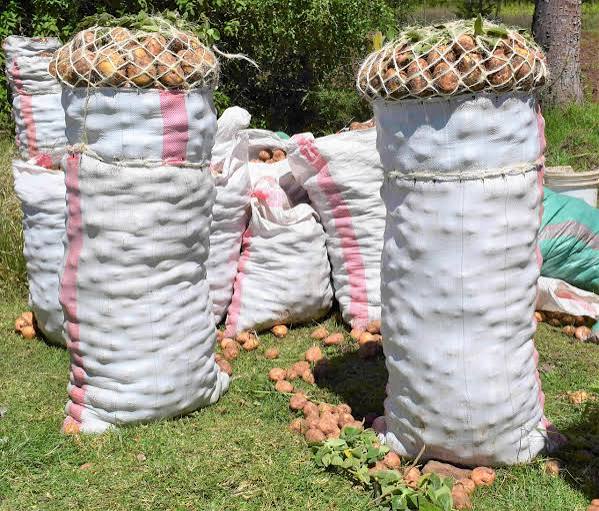
Potato farmers and young entrepreneurs are being encouraged to turn surplus and damaged potatoes into soap as part of efforts to reduce post-harvest losses and create new sources of income.
The Kenya Agricultural and Livestock Research Organisation (KALRO) says potato-based soap offers farmers an alternative market for tubers that would otherwise be left to rot, particularly when fresh potato prices are low.
KALRO researcher Faida John said the technology could help farmers earn additional income while reducing waste along the potato value chain.
Speaking during the commissioning of the Marindas Seed Potato Centre in Kuresoi, Nakuru County, Faida said cut and damaged potatoes from harvested crops can be processed into homemade soap, providing farmers with an alternative way to reduce waste and earn additional income.
Faida explained that when production is surplus, most farmers end up letting their produce go to waste. He said the idea behind the value-added product was to help farmers and young people earn a living through soap production.
READ ALSO:
He said the soap-making process is relatively simple and uses locally available materials, including a blender, paper towels, troughs and sodium hydroxide.
According to Faida, both peeled and unpeeled potatoes can be used to make the soap, allowing farmers to utilise tubers that may not be suitable for the fresh produce market.
Rather than letting the tubers rot or go to waste, he said, farmers can turn them into a product that generates revenue, adding that the goal was to put money directly into farmers’ pockets.
Faida said potato soap is currently retailing at about Ksh200 per piece, creating an opportunity for farmers, youth and other entrepreneurs to venture into small-scale soap production.
He added that potatoes contain vitamin C and antioxidants, which are retained in the soap because the blended potatoes are incorporated directly into the production process.
Faida further noted that because the potatoes are blended rather than sieved before being added to the soap mixture, the vitamin C and antioxidant content is preserved. He said the antioxidants play an important role in reducing dark spots and offer some anti-ageing benefits.
IN CASE YOU MISSED:
The researcher said farmers interested in the technology can visit KALRO centres for training on how to produce the soap.
He, however, cautioned that the development of potato value-addition technologies should not be interpreted to mean that Kenya has enough potatoes to meet domestic demand.
Faida said farmers sometimes keep potatoes while waiting for better prices, only for the tubers to deteriorate before market conditions improve. Mechanically harvested potatoes may also have cuts and other damage that make them difficult to sell.
Beyond soap, he said potatoes can be processed into dehydrated cubes, starch and flour, which can be used in baking and other food products.
The expansion of such value-addition opportunities could help transform potatoes from a largely raw agricultural commodity into a source of higher-value products, while creating employment and improving farmers’ earnings.
By Bernard Magada
Get more stories from our website: Sacco Review.
For comments and clarifications, write to: Saccoreview@
Kindly follow us via our social media pages on Facebook: Sacco Review Newspaper for timely updates
Stay ahead of the pack! Grab the latest Sacco Review newspaper!