
- Government seeks new financing to close the housing programme funding gap.
- Housing Levy collections remain below what is needed for the annual target.
- World Bank talks could bring long term funding alongside levy and sales revenue.
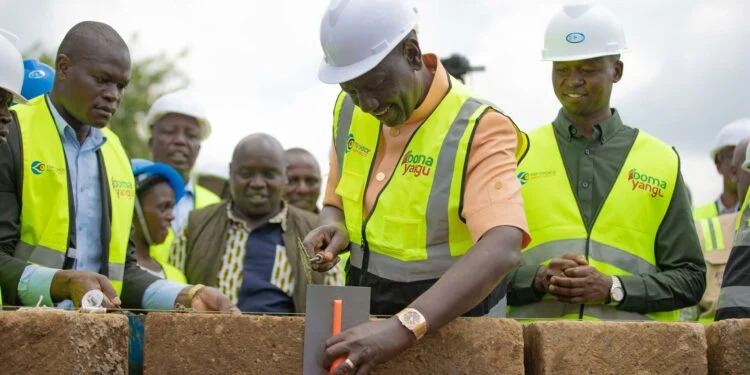
The government is considering an alternative financing model for the Affordable Housing Programme after the mandatory 1.5 per cent Housing Levy proved insufficient to meet its annual target of 200,000 units.
Housing Principal Secretary (PS) Charles Hinga said the levy currently raises about Ksh6 billion a month, an amount that falls short of what is needed to sustain construction at scale.
“The Ksh6 billion per month on its own is not sufficient to sustain 200,000 units per year,” Hinga said.
Talks with development partners underway
According to Hinga, the government is now in discussions with international development partners, including the World Bank, to secure long-term financing that can close the funding gap.
He explained that the programme currently works on a build-sell-recycle model, where completed units are sold and the proceeds channelled back into constructing additional houses.
Hinga said an alternative financing mechanism is needed to support the Tenant Purchase Agreement scheme over the long term, while still allowing the Housing Levy to remain part of the funding structure.
Levy to work alongside new resources
Rather than replace the levy, the proposed model would combine it with proceeds from unit sales and financing from development partners, giving the programme multiple revenue streams to sustain annual construction targets.
READ ALSO:
“As soon as the units are completed and titled and there is somebody who lives there, we are going to get the money back. We will now have the levy and the sales,” Hinga said.
He added that the government intends to use the levy as an anchor within this broader financing structure to attract additional development partner support.
The Affordable Housing Programme aims to deliver 200,000 units annually to widen access to decent, affordable housing for Kenyans. However, financing constraints have continued to strain progress toward that target.
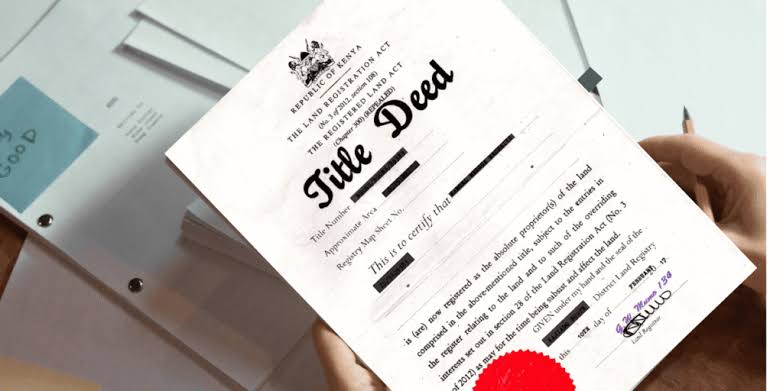
Under the Tenant Purchase Agreement scheme, beneficiaries pay towards ownership of their allocated units over an agreed period. Once payments are complete, tenants are issued with sectional title deeds formally confirming ownership.
By Benedict Aoya
Get more stories from our website: Sacco Review.
For comments and clarifications, write to: Saccoreview@
Kindly follow us via our social media pages on Facebook: Sacco Review Newspaper for timely updates
Stay ahead of the pack! Grab the latest Sacco Review newspaper!