- AGOA extension could protect thousands of existing jobs
- More US orders could drive jobs across supply chains
- Kenya aims to create jobs beyond the apparel sector
Kenya’s job story under AGOA is no longer just about market access. It’s about what the country does with it.
The extension therefore does not simply create a new trade opportunity. It provides greater certainty for thousands of workers whose livelihoods depend directly on export-oriented businesses.
Where the next jobs could come from
The biggest potential for additional employment will come if Kenyan companies use the extension to win more American orders.
More orders mean more production.
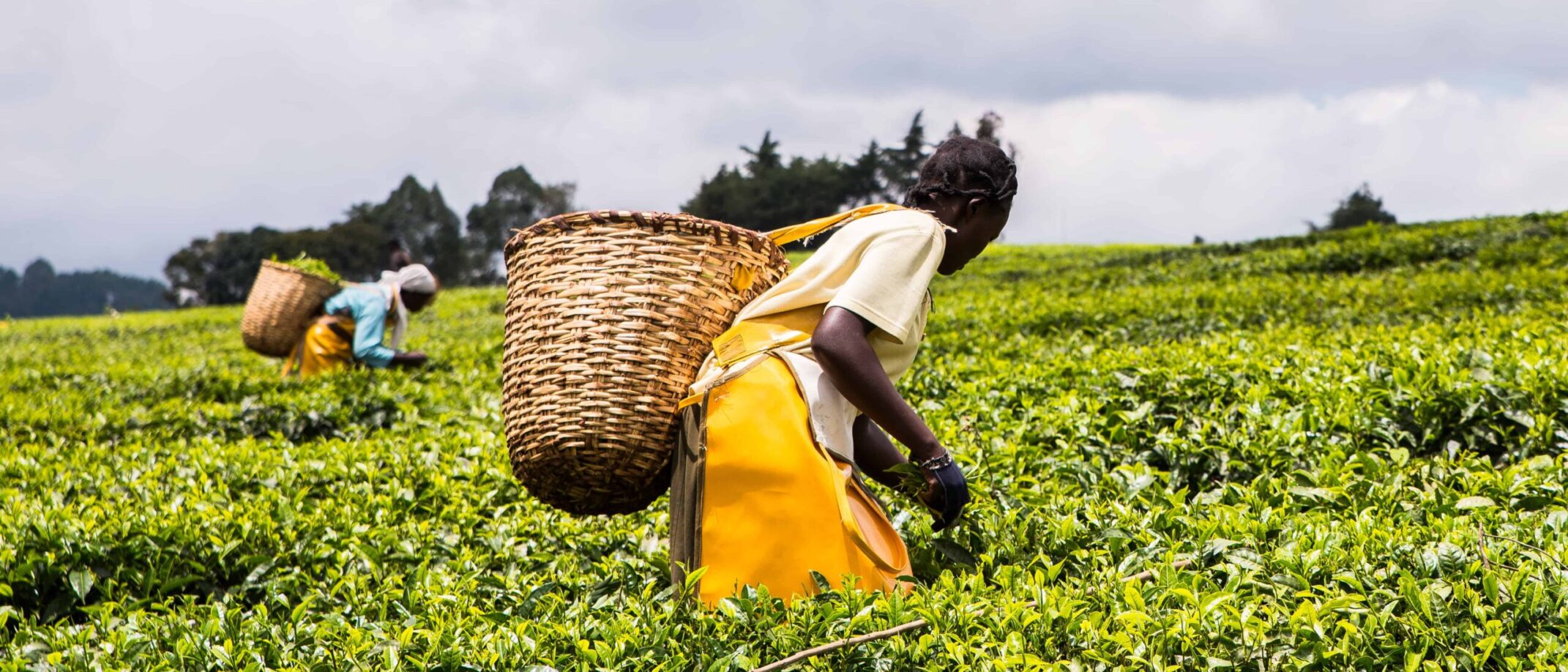
More production can mean additional factory workers, farmers, processors, packers, drivers, warehouse employees, quality-control specialists, technicians and administrative staff.
The impact could spread well beyond the factory gate.
A garment manufacturer that receives a larger US order may need more workers. It may also purchase more fabric and packaging, hire additional transporters, use more warehouse space and increase demand for maintenance, financial and professional services.
The same model can apply to agricultural exports.
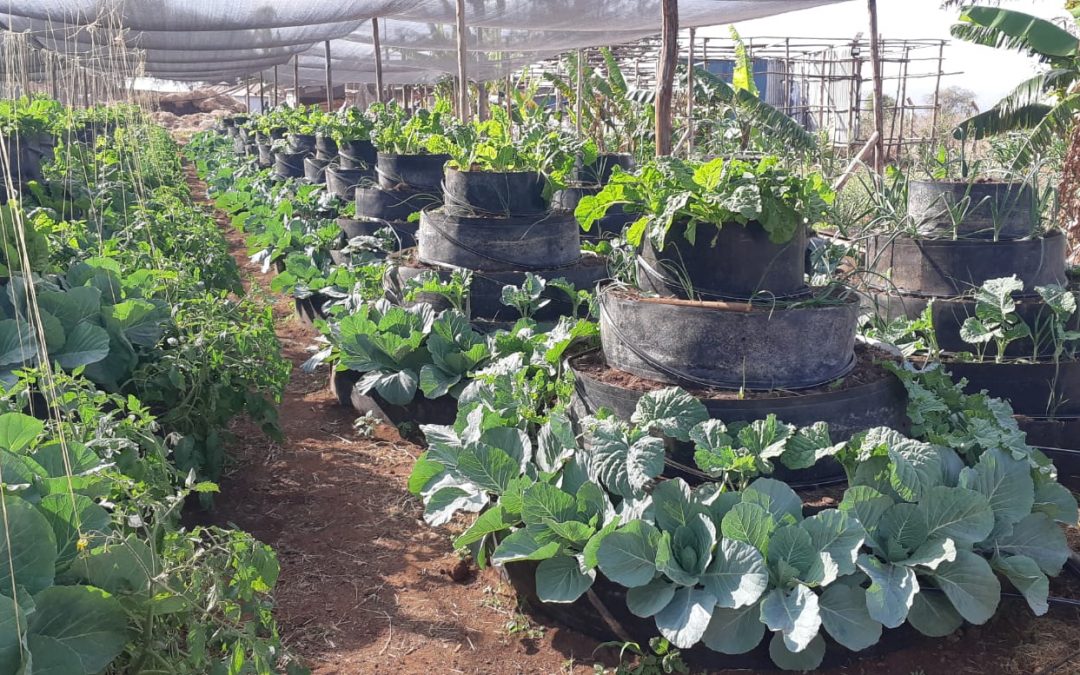
If American demand for Kenyan processed foods, coffee, macadamia products, horticultural products, leather goods and other eligible exports increases, businesses may expand their operations and create additional employment throughout the supply chain.
82,000 jobs are already on the line
The latest figure of 82,026 employees in AGOA-accredited enterprises provides a useful measure of the scale of the opportunity.
READ ALSO:
State eyes new financing model to boost housing levy shortfall
It means Kenya already has a substantial workforce connected to businesses participating in the export ecosystem. The immediate benefit of the extension is therefore job security.
The next stage is job expansion.
If exporters increase production rather than simply maintain current volumes, the number of workers required could rise.
Kenya’s challenge will be to convert market access into investment, new factories, expanded production lines and stronger domestic supply chains.
Indirect jobs could multiply the impact
The total employment impact of AGOA is larger than the number of people employed directly by exporting companies.
Farmers supplying processors, truck drivers transporting goods, warehouse workers, packaging companies, clearing agents, mechanics, security providers, financial institutions and other businesses can all benefit from increased export activity.
That distinction matters.
Rather than promising a specific number, the government and business community should focus on expanding the export base so that indirect employment grows alongside direct employment.
The real opportunity is beyond clothes
Kenya’s textile and apparel sector has demonstrated that preferential US market access can support large-scale employment.
But the next phase should be about diversification.
If more Kenyan products enter the American market, the employment benefits could reach sectors that have historically had a smaller share of AGOA-linked trade.
That means more opportunities for farmers, manufacturers, young entrepreneurs and small businesses.
The country already has more than 82,000 workers employed by AGOA-accredited enterprises. The immediate task is to protect those jobs. The bigger ambition should be to ensure that rising exports create thousands of additional direct and indirect employment opportunities over the remaining period.
Kenya should therefore use the extension aggressively—not merely to preserve existing exports, but to attract investment, expand factories, increase agricultural production, promote value addition and bring more small businesses into international supply chains
By Hillary Muhalya
Get more stories from our website: Sacco Review.
For comments and clarifications, write to: Saccoreview@
Kindly follow us via our social media pages on Facebook: Sacco Review Newspaper for timely updates
Stay ahead of the pack! Grab the latest Sacco Review newspaper!