Government has allocated Ksh50.6 billion for the Affordable Housing Programme in the 2026/27 financial year.
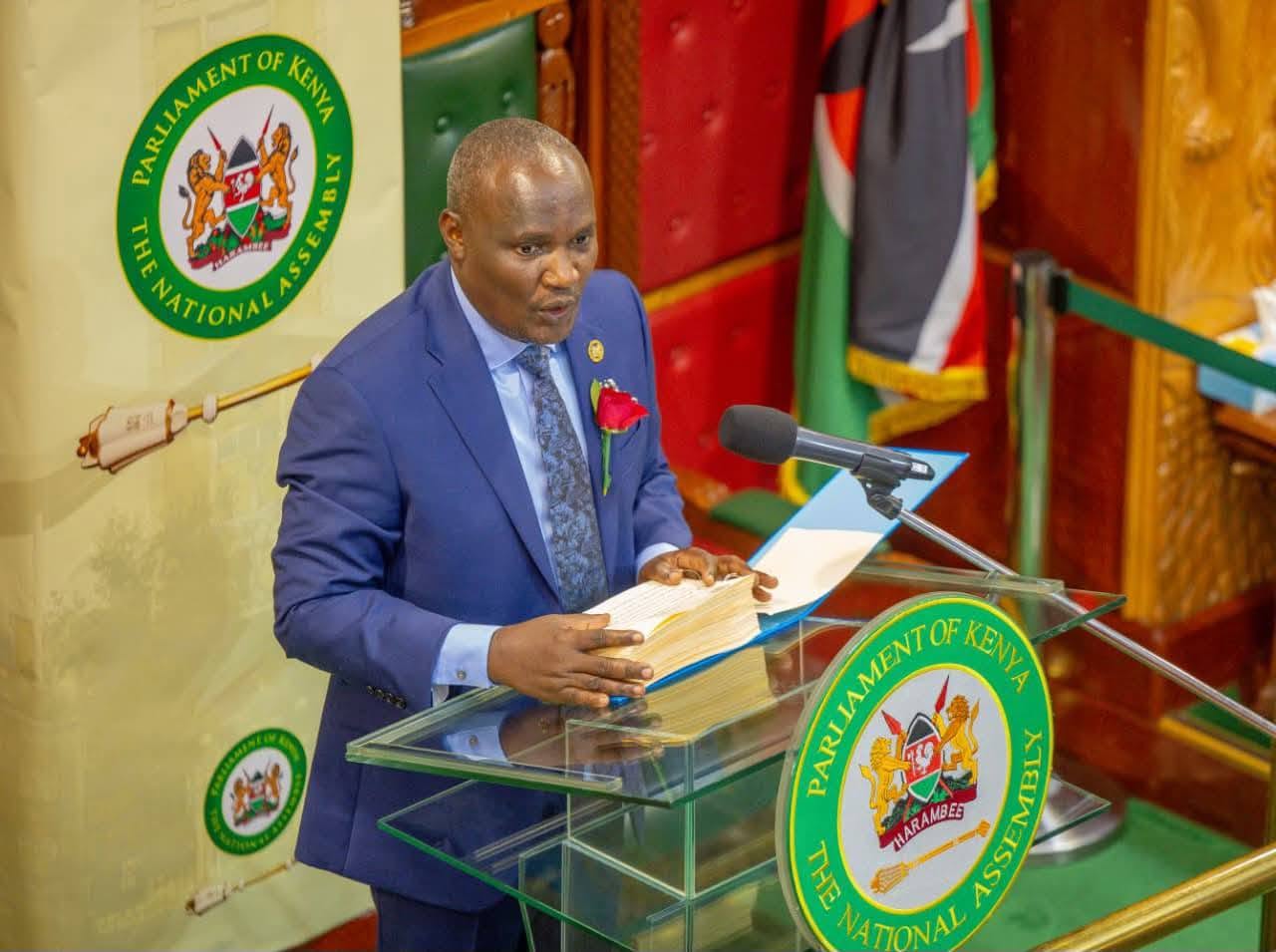
Treasury CS John Mbadi said the investment is aimed at accelerating construction of affordable housing units nationwide.
The programme is also expected to create jobs across the construction sector, including labour, materials supply, and related services.
By Frank Mugwe
The government has set aside Ksh50.6 billion for the Affordable Housing Programme for the 2026/27 fiscal year, continuing its push for the development of affordable housing.
Treasury Cabinet Secretary John Mbadi, in his budget statement on Thursday, June 11, said the investment would help kick-start the construction of housing units and create jobs across the construction value chain, including materials supply, labour, and related services. He emphasized that decent housing remains a key pillar of social stability and economic productivity.
“I propose Ksh143.7 billion for the Housing, Urban Development and public works sub-sectors. This package includes Ksh18.6 billion under the Kenya Urban Programme (KenUP); Ksh50.6 billion for the construction of Affordable Housing Units; Ksh20.9 billion for social housing units; KSh20.2 billion for institutional housing; and Ksh18.2 billion for critical social and physical 128 infrastructure,” Mbadi said.
Despite an increase in funding, the housing programme continues to face strong opposition from sections of the public, labour organisations and political leaders.
ALSO READ;
Long-delayed Kisumu road project regains momentum after funding boost
A major point of controversy is the mandatory housing levy, which reduces workers’ pay and places additional pressure on already strained households. Critics argue that the levy is actually a disguised tax, adding that many contributors do not clearly see the benefits of the deductions made from their income.
There are also concerns regarding the units being constructed, with some housing schemes reportedly not accessible to low-income earners, despite the programme being intended to serve that group.
Other issues raised include delays in project implementation, challenges in land acquisition in certain cities, and concerns over the displacement of residents in informal settlements during redevelopment and upgrading processes.
Transparency in procurement and contracting has also been flagged as a key concern, with calls for clearer reporting on the cost per unit and project timelines.
Although the initiative faces hurdles, President Ruto’s administration views the housing programme as a long-term structural reform designed to bridge Kenya’s housing gap and boost the economy.
According to officials, the project aims to reduce the growth of informal settlements, upgrade living standards, and make homeownership accessible to a broader population.
Get more stories from our website: Sacco Review.
For comments and clarifications, write to: Saccoreview@
Kindly follow us via our social media pages on Facebook: Sacco Review Newspaper for timely updates
Stay ahead of the pack! Grab the latest Sacco Review newspaper!