The government has unveiled plans to leverage proceeds from the 1.5 per cent Affordable Housing Levy as collateral for a KSh100 billion loan through securitisation, a move that suggests the deduction may remain a long-term fixture on workers’ payslips.
Disclosures by a Parliamentary committee show that the State Department for Housing plans to take the loan to partly plug a KSh118 billion funding gap in the affordable housing programme as President William Ruto steps up the rollout of the low-cost home ownership scheme ahead of his re-election bid next year.
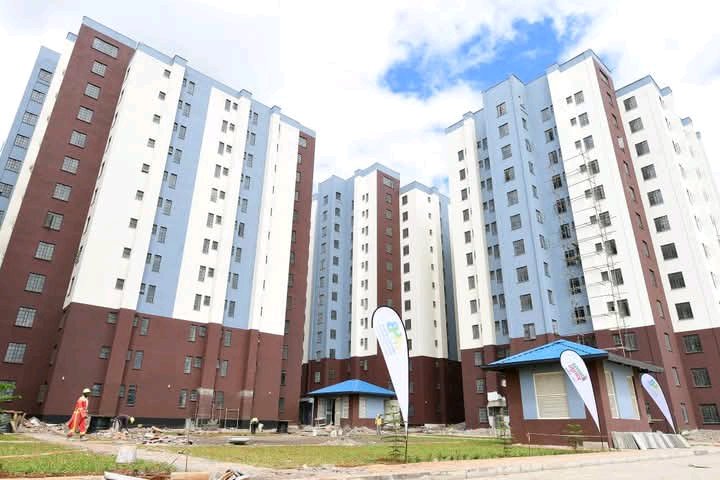
President Ruto’s administration aims to construct one million affordable housing units by the end of 2027, largely financed through the Affordable Housing Levy, which requires salaried employees to contribute 1.5 per cent of their gross salary, with employers making an equivalent contribution.
In its review of the 2026/27 budget estimates, the Housing Committee observed that the construction of affordable housing units in the financial year beginning in July will require KSh228.3 billion. However, only KSh110 billion has been allocated, resulting in a funding shortfall of KSh118.3 billion.
The Housing Committee indicated that KSh 100 billion of the funding shortfall will be covered through a bond issuance backed by the Affordable Housing Levy.
ALSO READ:
Ruto unveils Ksh45 Billion Affordable Housing plan for Northern Kenya
“To address this shortfall, the State Department proposes to mobilise an additional KSh 150 billion through securitisation (KSh 100 billion) and proceeds from the sale of completed housing units (KSh 50 billion),”
Reads part of the report by the Budget and Appropriations Committee (BAC).
By legally binding future tax revenues to bond repayments, securitisation guarantees the deduction must continue until investors are fully paid off. Because many Treasury bonds carry maturity periods extending well beyond the Constitution’s 10-year maximum presidential tenure, Kenyan workers will likely be paying off this debt long after President Ruto leaves office.
The State Department for Housing said in a statement that securitisation of receivables is part of a wider capital-raising plan designed to help the government meet its goal of building 250,000 affordable housing units annually.
However, it is still unclear how the securitisation would be implemented, and whether the levy would continue to apply even if a future government attempted to scrap it.
The plan also includes asset-backed instruments that would use proceeds from the sale of completed units as collateral. In addition, rental income and instalment payments may be leveraged as security to secure loans for the construction of more housing units.
These capital-raising strategies will sit alongside traditional financing models such as borrowing from the donors, including the World Bank and other development financing institutions.
ALSO READ:
Kenya seeks global funding to bridge housing deficit at World Urban Forum
Although the absorption of housing funds has remained relatively low, the government maintains that a large share of the money already collected has been allocated to ongoing projects and is insufficient to cover the financing requirements of upcoming developments. As a result, it argues that issuing a bond backed by the levy is necessary.
The Kenya Kwanza administration has increasingly relied on the securitisation of funds to meet its substantial infrastructure financing requirements. Examples of such securitised funds include the Sports, Arts and Social Development Fund levy, the Tourism Fund, and the Railway Development Levy.
By Frank Mugwe
Get more stories from our website: Sacco Review.
For comments and clarifications, write to: Saccoreview@
Kindly follow us via our social media pages on Facebook: Sacco Review Newspaper for timely updates
Stay ahead of the pack! Grab the latest Sacco Review newspaper!