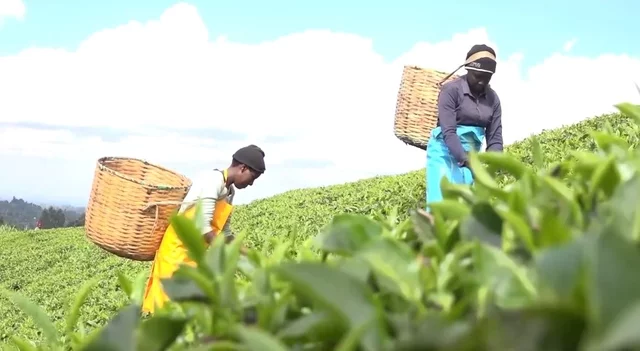
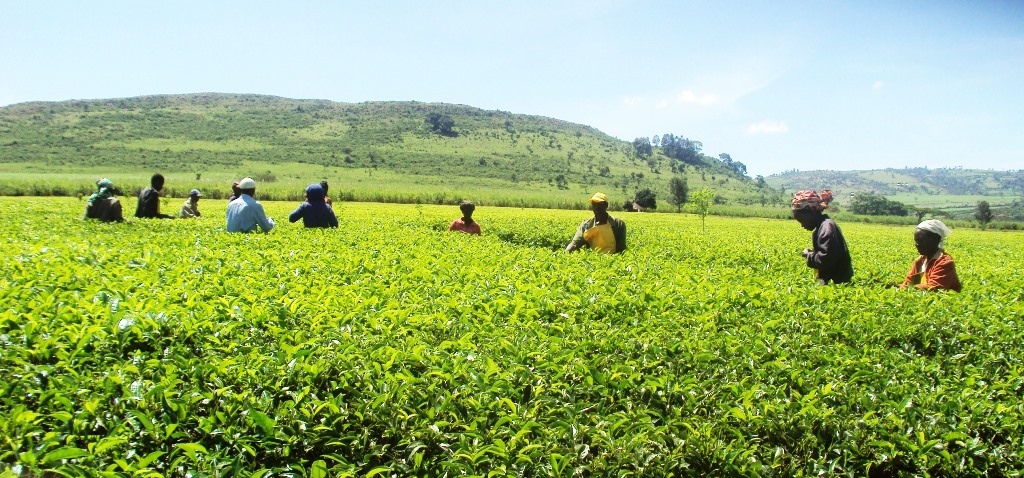
Panic has gripped Kenya’s tea sector following the implementation of a Sh2.28 per kilogram levy at the Mombasa Tea Auction, with farmers and factories warning of reduced bonuses and mounting unsold stock.
Producers in the Mt Kenya region say the levy has disrupted the market, forcing buyers to shift to cheaper alternatives from Burundi, Rwanda, Tanzania and Uganda. Already, Kenya has lost the Sudan and Iran markets, while the crucial Pakistani market is at risk.
Industry records show that more than 9 million kilograms of tea from eastern Kenya have flooded warehouses after buyers migrated to other producers. In recent weeks, auction sales have plummeted, with factories reporting massive unsold volumes. At the latest auction, Rukuriri Tea Factory sold only 40 packages out of 1,800 offered, while Kimunye Factory managed 120 packages out of 2,020.
Farmers fear the levy will erode their annual bonuses. Phillip Mwangi, a grower from Murang’a, warned that unless the levy is reviewed, many factories in the east will be unable to sustain operations.
“In last week’s market, there was an outcry after many of the factories in Mt Kenya registered unsold teas, a trend that will lead to the collapse of the industry,” Mwangi said. He argued that charges should be based on export volumes rather than auction value.
ALSO READ:
Sudan ban triggers 69% collapse in Kenya’s tea exports as Pakistan strengthens market share
Political leaders have also weighed in. Kirinyaga Senator Kamau Murango dismissed the levy as illegal, noting that the Tea Amendment Bill 2023 was declared null and void by Speaker Moses Wetangula on May 26 after procedural faults were raised against Gatundu South MP Gabriel Kagombe. Murango said the taxation has driven buyers to untaxed teas from neighboring countries, leaving Kenyan teas only useful for blending.
Despite the backlash, Tea Board of Kenya (TBK) CEO Willy Mutai defended the levy, insisting it will support long‑term growth of the industry. He outlined how the revenue will be distributed: 50 percent for price and income stabilization, 20 percent for research and development, 15 percent for infrastructure development, and 15 percent for board regulation. According to Mutai, the levy will protect farmers from extreme price drops, fund the Tea Research Institute, and improve feeder roads and collection centers.
By Our Correspondent
Get more stories from our website: Sacco Review.
For comments and clarifications, write to: Saccoreview@
Kindly follow us via our social media pages on Facebook: Sacco Review Newspaper for timely updates
Stay ahead of the pack! Grab the latest Sacco Review newspaper!