The National Assembly Committee on Trade, Industry and Cooperatives has begun investigations to determine whether sugar unfit for human consumption has found its way into the Kenyan market through local mills.
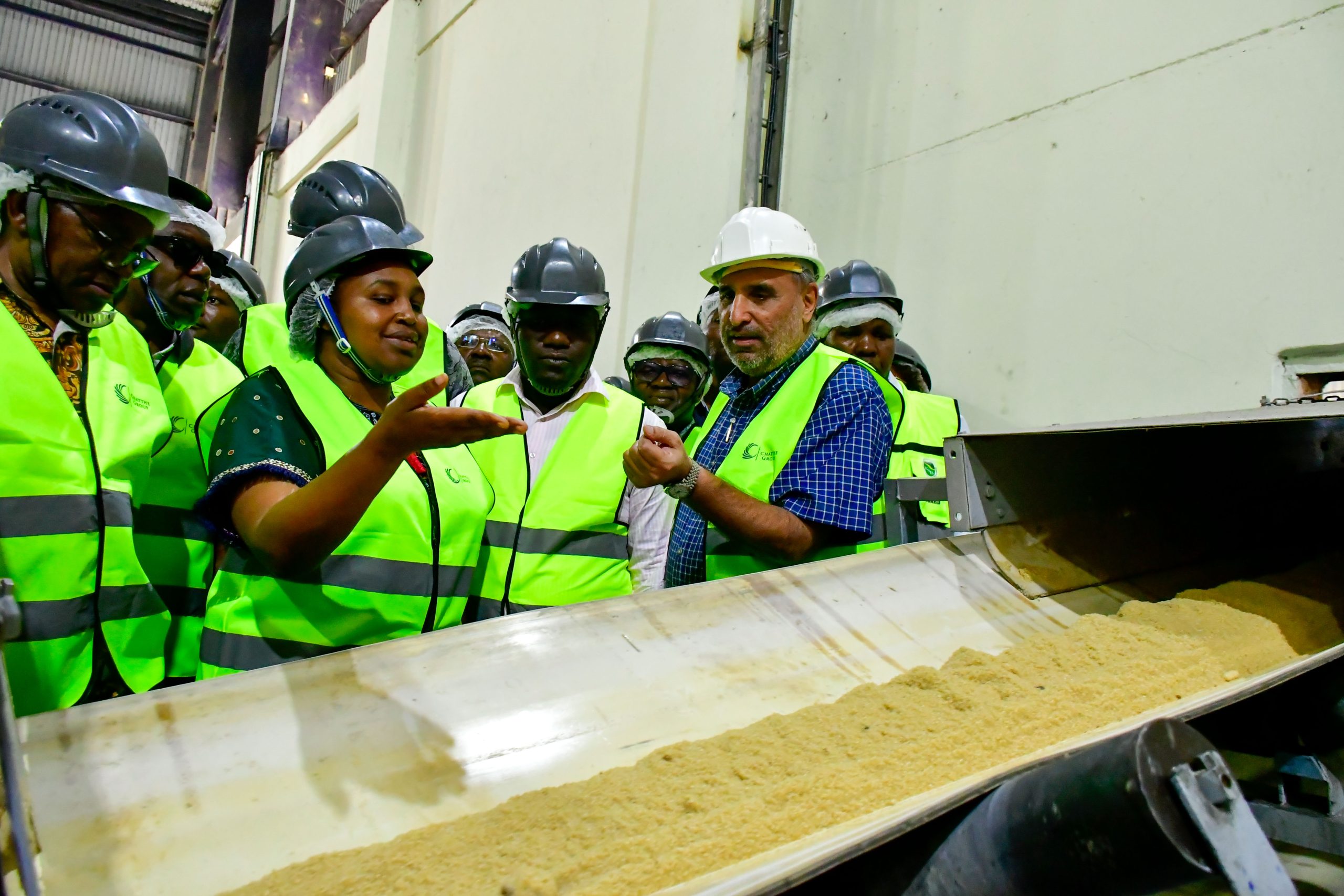
The Committee, chaired by Ikolomani MP Bernard Shinali, visited the Chathe Group of Companies, which operates under the trade name Kibos and Allied Industries, during a fact‑finding mission in Kisumu. Guided by company chairman Raju Chathe, the legislators inspected warehouses at the firm’s subsidiary, Mombasa Sugar Refinery, as part of their inquiry.
Shinali said the committee will replicate the process across the country, taking samples for further tests and verifying whether millers have adhered to all legal channels in the importation and refining of raw sugar. He assured consumers that the government will not allow unscrupulous operators to release unsafe sugar into the market. “We are at the moment working with a multi‑agency team to ensure that sugar which enters the market is safe for human consumption,” he said.
The probe follows reports that industrial sugar may have slipped into retail outlets, sparking panic among consumers. Earlier, MPs raised alarm over a potentially harmful 27,839 metric tonnes of sugar imported into the country, valued at about Sh1.5 billion, which they feared might have been diverted into the local market.
ALSO READ:
President Ruto’s invitation to the G7 Summit is a great honour to Kenya
During a committee session on May 12, legislators grilled officials from the Kenya Sugar Board (KSB) over the handling and whereabouts of the consignment imported by Mombasa Sugar Refinery Limited. The sugar had been flagged by the Kenya Bureau of Standards (KEBS) after tests showed it only met standards for raw sugar meant for further refining and was therefore not fit for consumption.
Lawmakers questioned how the consignment was moved from Mombasa to Nairobi without proper clearance documentation. “There is no clearance document provided in your documentation. We need to see the document that authorised the movement of MSRL sugar from the Mombasa Warehouse to the Nairobi Warehouse. We require the answers urgently so we can know Kenyans’ lives are safe,” Shinali told officials.
KSB Chief Executive Officer Jude Chesire assured MPs that the sugar had not been released to the consumer market and was under strict surveillance. “We hired police officers to guard the consignment already in Nairobi, and it was locked and sealed. Those are the measures that we have ensured we meet the conditions provided by MAT in actually securing this consignment,” Chesire said.
The board added that once the consignment is moved to Kisumu, trucks transporting the sugar will be electronically tracked. KSB Director for Regulation and Compliance Samwel Kembo confirmed that the sugar remained intact and sealed throughout the process, noting that the first batch transported via the Standard Gauge Railway arrived in Nairobi on May 3.
ALSO READ:
Kenya and Finland strengthen cooperation in the digital economy
The sugar, imported from South Africa, arrived at the port of Mombasa in early February. It was later flagged and placed under a multi‑agency verification lock in March after customs and regulatory teams discovered an unmanifested 1,481‑tonne excess.
The development comes as the government intensifies efforts to boost local sugar production and reduce reliance on imports, amid growing concerns over consumer safety and accountability in the sector.
By Fredrick Odiero
Get more stories from our website: Sacco Review.
For comments and clarifications, write to: Saccoreview@
Kindly follow us via our social media pages on Facebook: Sacco Review Newspaper for timely updates
Stay ahead of the pack! Grab the latest Sacco Review newspaper!